The ritual of aperitivo, before dinner arrives
An aperitivo is the gentle bridge between the working day and the evening meal. A glass of something sparkling, bitter or bright arrives with a few small bites, slowing conversation and preparing the appetite. In Italy, this moment can be as simple as a drink at the bar or as generous as a table shared among friends.
The ritual carries an idea that feels useful in Australia: dinner does not need to begin when everyone leaves work. A pre-dinner drink creates a separate, sociable phase. It lets guests settle, gives hosts time to pour and creates a pause before the main course.
An Australian aperitivo might unfold at home or at a neighbourhood wine bar. Around five or six, many Melbourne, Sydney and Brisbane venues offer discounted drinks and shared plates as offices empty; locals may call this late-afternoon rush “arvo.” The custom feels less ceremonial than an Italian aperitivo, yet the same pause is there: dinner is coming, but it has not started.
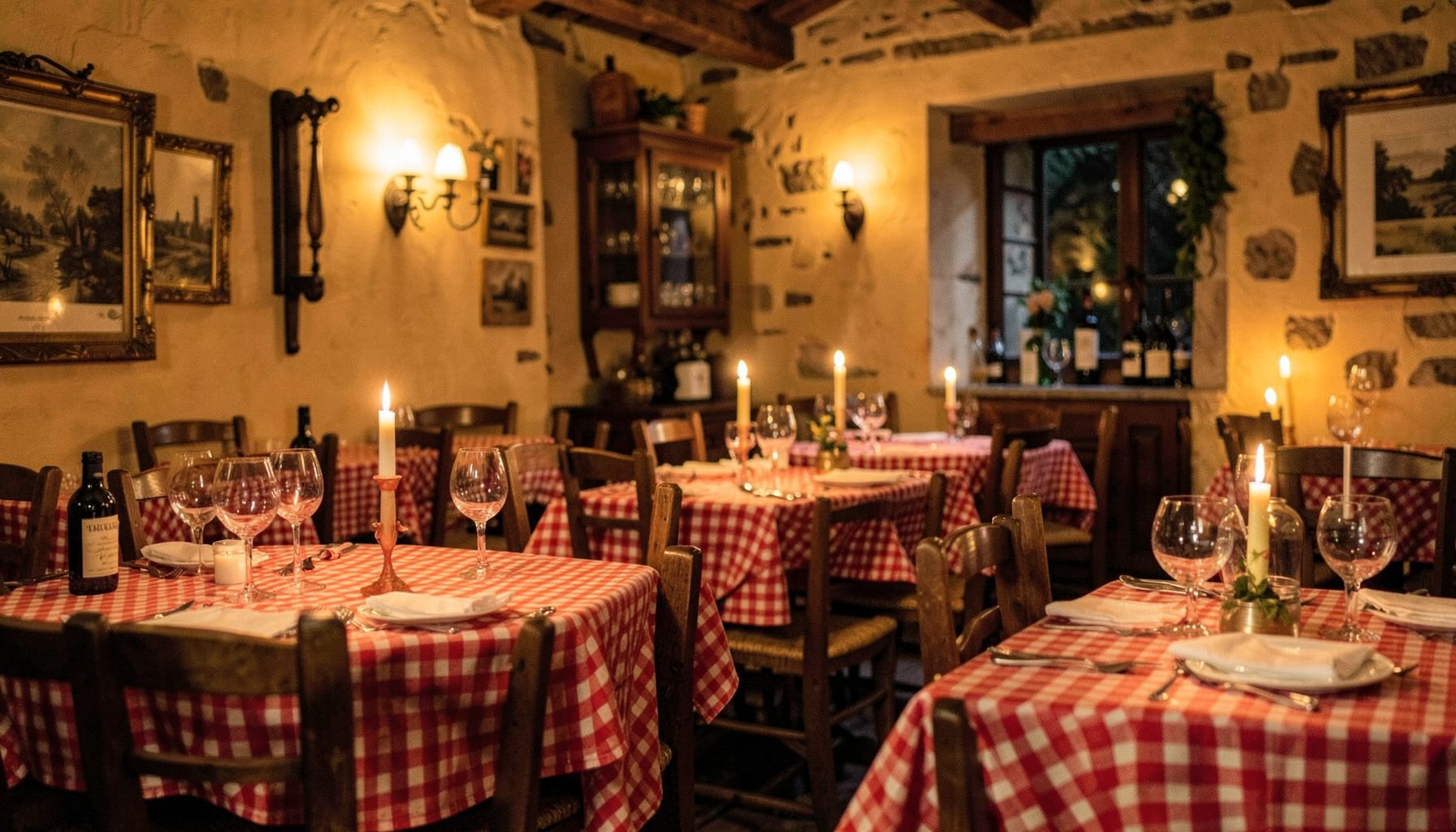
Taverna Santi in Geyserville brings this anticipation to its rustic dining room. Seasonal Italian cooking, regional wines and handmade pasta suit a progression from snacks to dinner, while wood-fired dishes and vegetable-focused plates keep attention on the ingredients.
Aperitivo as a transition between work and dinner
An Italian aperitivo often centres on the “antichichetto,” a small accompaniment meant to stimulate the appetite rather than replace dinner. Wine, bitter orange liqueur or sparkling wine can be joined by olives, nuts, crostini or another modest plate. Balance is key: enough flavour to awaken interest, not so much that dinner begins heavy and distracted.
For a home table, translate the custom rather than copy a script. Pour a drink while the vegetables roast, let people graze, and move to the main course when everyone is ready. This suits Australian habits, where a barbecue takes time and guests arrive in waves. The aperitivo absorbs that timing rather than fighting it.
Small plates that welcome slow sharing
The best snacks are made to be passed around. Toasted bread with tomato and basil, marinated vegetables, cheese or cold meat suit the hour. Keep portions small and flavours clean beside wine, since a strongly spiced dip can alter the taste of every following sip.
Vegetable-led snacks give the hour an elegant direction. Bitter leaves, grilled zucchini with lemon or roasted capsicum with herbs are lighter than a heavy starter and leave room for handmade pasta later. At a private dinner, place snacks in the middle of the table so everyone can choose without a formal serving order.
At Taverna Santi, vegetables are the centre rather than an afterthought. Its approach reflects the Italian principle of using a few excellent ingredients with clarity, making the aperitivo a natural expression of the kitchen.
Choosing a drink that suits the table
A spritz is the easiest starting point. Combine prosecco, bitter orange liqueur and soda over ice, then add orange. The result is lighter than many cocktails and lively enough for a long evening. A Negroni or Americano offers deeper bitterness, while dry sparkling wine suits delicate snacks.
Australian menus often call sparkling wine “bubbles,” a clue when choosing prosecco or another gently sparkling bottle. For less sweetness, ask for a dry Australian sparkling or chilled white wine from a local bottle shop. Dry sherry or vermouth can also sit well with olives, nuts and cheese, adding savoury depth.
Offer a non-alcoholic choice too. Sparkling water with lemon, a dry apple shrub or house-made tonic can be as characterful as alcohol. At communal tables, a thoughtful alcohol-free drink keeps the aperitivo from becoming an exercise in keeping pace.
Pouring and serving with ease
Serve prosecco and spritzes in a generous wine glass, not a narrow flute, so the aroma can open and the bubbles last. Use fresh ice without filling the glass to the brim. A tumbler suits a spirit-forward drink or neat vermouth, while a standard wine glass gives white wine room to breathe.
At home, prepare the first round before guests arrive and keep the bottle chilled. Australian supermarkets and independent bottle shops make it easy to buy prosecco, vermouth and seasonal produce together, and some licensed restaurants permit BYO wine for a corkage fee. Check house policies first.
Finding the local character of the hour
Start at the market rather than only the bottle shop. Farmers’ markets and greengrocers supply herbs, citrus, olives and vegetables for immediate snacks. Choose produce that looks lively; a bright salad or bowl of radishes sets a generous tone without elaborate preparation.
Place matters in Australian drinking culture. Around Carlton and Fitzroy in Melbourne, Surry Hills and Newtown in Sydney, or Fortitude Valley in Brisbane, happy hour fills neighbourhood wine bars from late afternoon. Locals may call the gathering a happy hour rather than an aperitivo, but the timing and shared plates are similar. That relaxed language makes the ritual easy to adopt.
The market side of the evening rewards a little planning. Buy one bottle from an independent merchant, add seasonal produce from the greengrocer and serve them together; a considered bottle can be better than an oversized selection. When dining out, check for a drink-and-snack package, as many city wine bars offer one early in the evening.
A Sonoma expression of the Italian custom
Taverna Santi, in Geyserville, Sonoma County, approaches the aperitivo through the seasonal, locally sourced philosophy shaping its Italian menu. Handmade pasta and wood-fired preparations reward a gradual start, while regional wines pair with vegetable plates and shared dishes. The intimate, rustic setting creates occasion without formality.
That approach extends beyond an ordinary dinner. Taverna Santi hosts private events, celebrations, tastings, seasonal suppers and chef-led demonstrations, each offering a way to explore Italian ingredients and techniques. A pre-dinner gathering there can feel connected to the land, with the Sonoma landscape informing both glass and plate.
Spring gives the idea a vivid local expression: Taverna Santi’s notes on wild greens connect foraging with careful cooking and a plate shaped by the season. Wild leaves bring bitterness, freshness and a sense of place, qualities that suit the aperitivo habit of tasting something bright before the evening meal.
A practical guide to a relaxed pre-dinner ritual
An easy aperitivo needs less equipment than a cocktail party and less planning than a formal dinner. Choose a starting time, one drink and two or three snack options. Simple structure leaves the evening open to conversation, the ingredient that matters most.
- Set the start between work and dinner, commonly 5:30 to 6:30 pm, and allow the gathering to run for about an hour.
- Choose one house drink, such as a spritz or prosecco, with a non-alcoholic alternative so nobody needs a second menu.
- Keep snacks light and seasonal: olives, toasted bread, fruit, nuts, marinated vegetables or a little cheese.
- Chill glasses and drinks in advance, pour moderate measures, and refill as needed rather than preparing oversized servings.
- Bring the main meal to the table as the aperitivo winds down, preserving a clear transition from snacks to dinner.
The ritual works because it creates a shared interval before the larger meal. Whether it happens in Geyserville, an Australian wine bar or a home table, the best aperitivo balances pleasure with restraint: a good drink, a few careful bites and time to enjoy both.