Why local Pinot Noir loves mushroom risotto
The perfect pairing: local Pinot Noir with mushroom risotto brings together two ingredients that reward patience, balance and a strong sense of place. In Geyserville, Sonoma County, the wine reflects cool coastal influences and nearby vineyards, while the risotto draws depth from woodland mushrooms, quality stock and the slow release of starch from Arborio or Carnaroli rice.
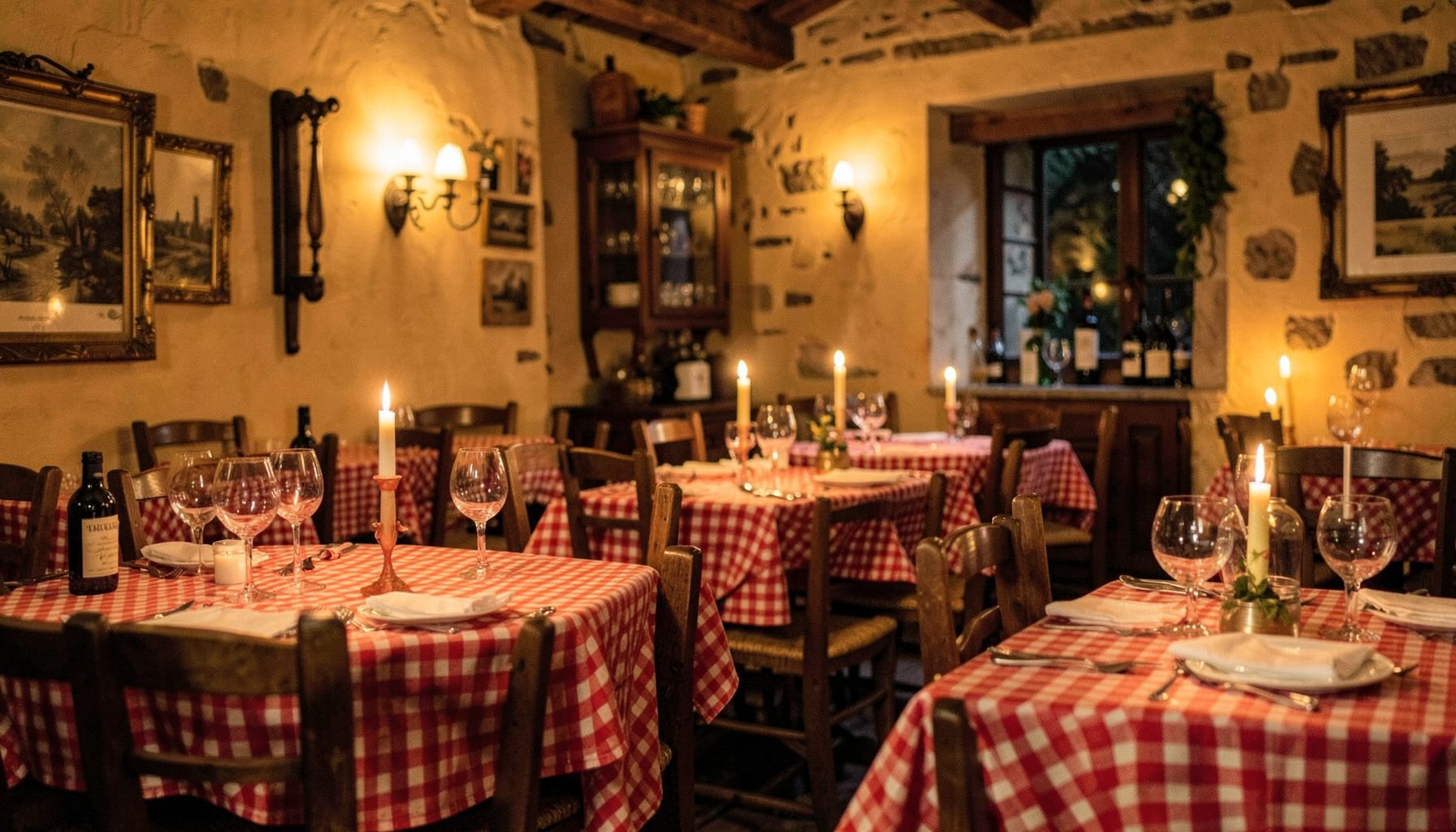
For Australian diners, the combination feels familiar yet distinctive. It has the comfort of a creamy winter supper in Melbourne, the elegance of a shared plate in Sydney or the produce-led character of a long lunch in Adelaide. At Taverna Santi, Italian technique, local farming and seasonal cooking create a meal in which the wine and food develop together rather than compete for attention.
Why Pinot Noir suits earthy mushrooms
Pinot Noir is naturally suited to mushroom dishes because it carries savoury aromas without the heavy tannins found in many larger red varieties. Depending on the vineyard and vintage, a Sonoma bottle may show cherry, raspberry, dried herbs, forest floor, tea leaf and gentle spice. Those flavours echo the earthy character of mushrooms while preserving enough freshness to lift the creamy rice.
Mushrooms also have a subtle umami quality that can make a highly tannic wine taste metallic or austere. Pinot Noir’s lighter structure avoids that problem. Its acidity cuts through butter, Parmigiano-Reggiano and mascarpone, while its soft texture follows the silky consistency of a properly finished risotto. The result is a red wine pairing that feels graceful instead of overpowering.
Building depth in the risotto
A successful mushroom risotto begins with a flavour base rather than the rice itself. Sweated shallot or onion, garlic, thyme and a little olive oil create a savoury foundation. Mushrooms should be cooked over enough heat to colour properly; if they steam in an overcrowded pan, they release water and lose the roasted notes that make the wine pairing compelling.
A combination of varieties brings greater complexity. Cremini or Swiss brown mushrooms offer body, shiitake contributes a deeper savouriness and oyster mushrooms provide a delicate, almost shellfish-like fragrance. Wild mushrooms can add woodland character when available. A splash of dry white wine deglazes the pan, while warm vegetable or chicken stock allows the rice to cook gradually without losing its firm centre.
The finishing stage determines whether the dish tastes polished or flat. Stirring in cold butter and finely grated cheese creates a glossy mantecatura, while lemon zest, parsley or chives add lift. A restrained drizzle of balsamic vinegar guide can bring sweetness and acidity, but it should remain a small accent rather than dominate the mushrooms or the wine.
Matching the bottle to the plate
Look for a Pinot Noir with bright acidity, moderate alcohol and restrained oak. A wine that leans towards red berries, herbs and mineral freshness will usually perform better than one shaped by intense new-barrel flavours. The goal is to preserve the mushroom’s savoury detail and the risotto’s creamy texture, not cover them with vanilla, toast or excessive fruit.
Serving temperature matters as much as the label. Pinot Noir is often served too warm, particularly during an Australian summer or in a heated dining room. Around 14–16°C keeps the wine aromatic and energetic. A brief chill before opening can sharpen the palate, while a short rest in the glass allows forest-floor and spice notes to emerge.
For local comparisons, Australian diners might think of cool-climate Pinot Noir from the Yarra Valley, Mornington Peninsula, Tasmania or the Adelaide Hills. These regions can offer a similar combination of perfume and acidity, although each expresses its own soil, climate and winemaking choices. A Sonoma Pinot Noir brings a different sense of place, making the pairing an opportunity to compare regional character rather than search for a single correct style.
The role of texture, acidity and garnish
Pairing is often described through flavour, but texture is just as important. Risotto should move slowly across the plate when served, with grains that remain slightly firm inside a loose, creamy sauce. Pinot Noir mirrors this balance: it has enough body to stand beside butter and cheese, yet enough fluidity to keep the dish from feeling heavy.
Garnishes should sharpen the relationship. Crispy sage, toasted hazelnuts or fried shallots add contrast, while a few drops of herb oil bring freshness and colour. Truffle can work with Pinot Noir when used carefully, though its intense aroma may overwhelm a delicate wine. A modest amount of shaved truffle or truffle butter is more harmonious than a heavily flavoured sauce.
Salt deserves attention too. Parmesan, stock and reduced mushroom juices can quickly push the dish towards excess. Tasting throughout the cooking process helps keep the seasoning precise. When the salt level is controlled, the wine’s fruit remains vivid and its acidity feels refreshing rather than sharp.
Making the pairing work in Australian dining culture
Australian diners are accustomed to flexible, produce-focused meals, from farmers’ market vegetables in Brisbane to cool-climate wines shared at a Hobart table. Mushroom risotto suits the country’s fondness for relaxed weekend cooking and generous communal plates. It can be served as a first course, a vegetarian main or part of a seasonal tasting menu, depending on portion and garnish.
Local availability will shape the dish. Supermarket mushrooms are dependable, while specialist grocers, food co-operatives and weekend markets may offer shiitake, enoki, oyster or seasonal wild varieties. Australia’s biosecurity rules mean foraged mushrooms require particular care, and only correctly identified edible species should enter the kitchen. Store-bought produce is the sensible choice unless a trained expert has verified a local harvest.
Wine service also sits within practical legal boundaries. In Australia, the legal drinking age is 18, and licensed venues must follow state or territory liquor laws, including responsible service requirements. A restaurant pairing should offer measured pours, water and food alongside the wine. When planning a private event, hosts should check the venue’s licence conditions rather than assuming that rules are identical in Sydney, Melbourne, Perth or regional New South Wales.
Bringing the experience to the table
The most enjoyable way to serve the pairing is gradually. Taste the Pinot Noir before the first forkful, then try it with the mushroom mixture, followed by a bite of finished risotto. The wine may seem fruitier with the rice, earthier with the mushrooms or brighter after the herbs and lemon. These small changes reveal why the pairing feels dynamic rather than fixed.
A quiet table, warm plates and a few minutes between courses allow the aromas to develop. For celebrations, a Pinot Noir and mushroom risotto course can sit comfortably beside grilled vegetables, handmade pasta or a wood-fired dish. The same measured approach used in responsible dining applies to other forms of leisure spending too; readers considering digital entertainment may find practical information about Skrill online casino limits, while the restaurant table remains focused on good food, thoughtful wine and sensible hospitality.
At Taverna Santi, the pairing belongs to the season. Sonoma mushrooms, local Pinot Noir, handmade elements and an intimate rustic setting turn a simple bowl of rice into a considered expression of place. The wine brings brightness and perfume; the mushrooms provide woodland depth; the risotto joins them with warmth, texture and time.