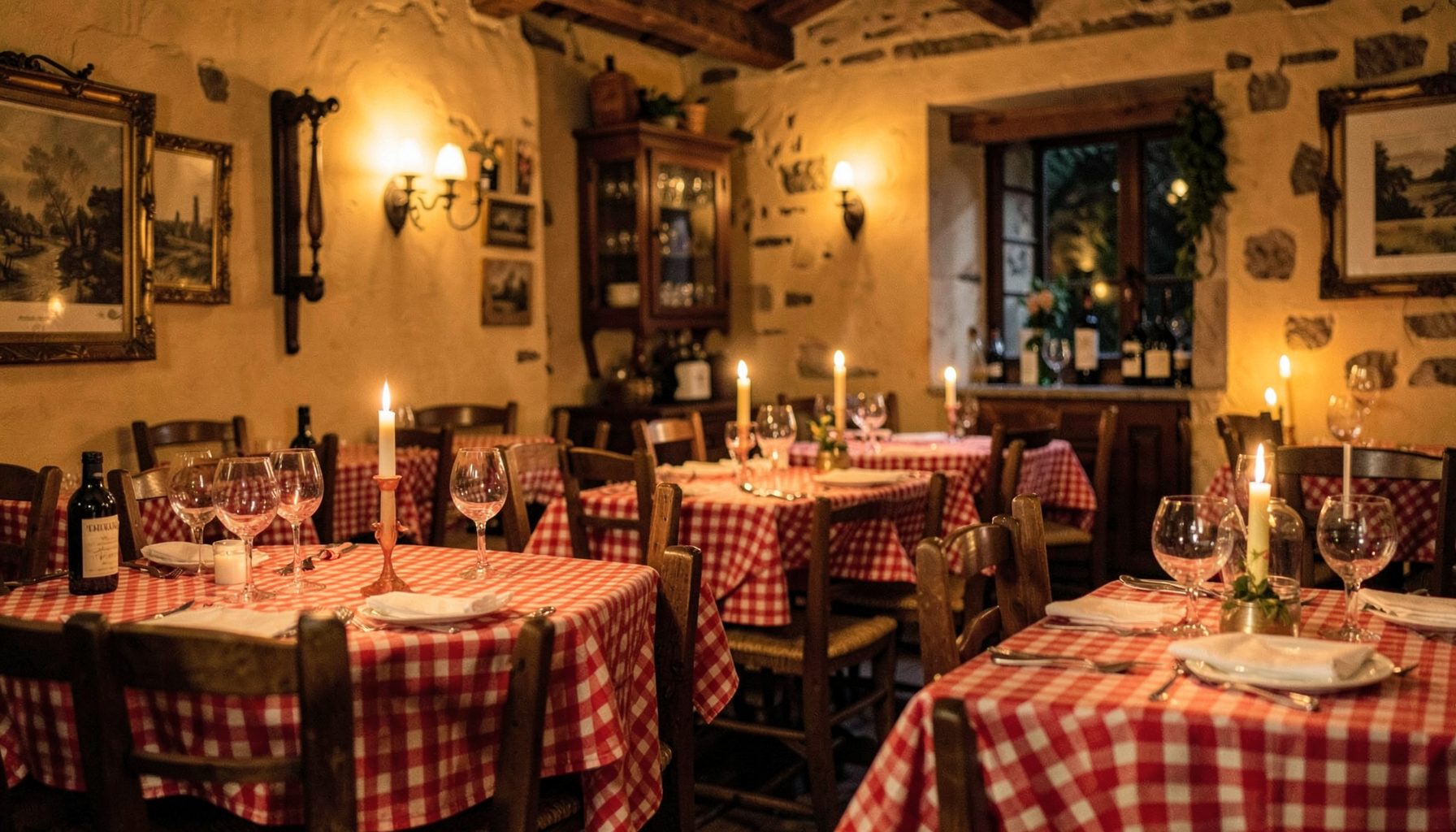
Behind the Blade at Taverna Santi
At Taverna Santi in Geyserville, a chef’s knife is more than a sharp piece of steel. It is the quiet centre of the kitchen, moving through herbs, vegetables, pasta dough and locally raised produce with the steady rhythm that turns good ingredients into a memorable meal. Every cut affects texture, cooking time and the way a dish arrives at the table.
For Australian diners, the appeal is easy to recognise. It is the same care found in a neighbourhood trattoria in Carlton, a produce-driven kitchen in Adelaide or a busy Sydney restaurant that builds its menu around what farmers can supply that week. At Taverna Santi, traditional Italian technique meets Sonoma County’s seasonal abundance, with each tool chosen for control, durability and feel.
The Knife That Starts The Work
The chef’s favourite knife is usually a versatile all-rounder: long enough to portion a pumpkin or slice through a bunch of greens, yet balanced enough for delicate preparation. At Taverna Santi, that means a dependable chef’s knife handles much of the daily work, from breaking down vegetables to trimming meat for a wood-fired dish.
A good blade should feel like an extension of the hand. Its weight, handle shape and balance matter as much as its edge. When a cook is preparing hundreds of components for service, comfort becomes a form of efficiency. A knife that sits naturally in the palm helps maintain clean, consistent cuts while reducing strain through a long evening.
Precision In Handmade Pasta
Pasta preparation demands a different kind of attention. The dough may be mixed by hand, rolled thin and cut into shapes that depend on precise thickness. A sharp knife is useful for trimming sheets, shaping filled pasta and portioning fresh dough without compressing its delicate layers.
The same principle applies to the ingredients folded into the pasta. A fine dice of onion melts into a sauce, while a rougher cut creates texture and sweetness. Fresh herbs need a clean slice rather than a crushing chop, which helps preserve their colour and aroma. These small decisions give handmade pasta its lively, irregular character.
For home cooks in Australia, the lesson is practical: a well-maintained blade often matters more than owning a drawer full of specialist gadgets. Whether preparing ricotta ravioli in Brisbane or a simple tomato sugo in Hobart, control over the cut makes the cooking process calmer and the finished dish more balanced.
Vegetables With A Sense Of Place
Taverna Santi’s vegetable-focused plates begin long before the knife reaches the board. Seasonal produce from Sonoma farms may include leafy greens, squash, beans, peppers, fennel or fragrant herbs. The chef’s job is to reveal what is already there, rather than burying each ingredient under unnecessary technique.
A knife determines how a vegetable meets heat. Thick wedges hold their shape in a wood-fired oven, thin slices soften quickly in a pan, and a fine julienne can bring freshness to a dish at the last moment. This is why preparation is part of the recipe, not a task completed before the real cooking begins.
That approach will feel familiar to Australian diners who shop at farmers’ markets such as Melbourne’s Queen Victoria Market or Adelaide Central Market. The best produce often asks for little interference. A few careful cuts, good olive oil, salt and a hot oven can express the season more clearly than an elaborate garnish.
Caring For The Edge
A professional kitchen does not treat sharpening as an occasional rescue job. The blade is honed regularly to keep its edge aligned, while proper sharpening removes only the material needed to restore performance. This routine protects the knife and gives the cook confidence during fast service.
Cleaning and storage matter just as much. Knives are washed by hand, dried immediately and kept away from loose utensils that can damage the edge. A stable cutting board provides a safer surface and helps preserve sharpness. The goal is a blade that glides through an onion instead of forcing the cook to push and saw.
For Australian home kitchens, especially those in compact apartments in Sydney or Melbourne, careful storage is also a safety issue. A magnetic strip, blade guard or dedicated block keeps the knife accessible without leaving it loose in a crowded drawer. Good care supports better cooking and extends the useful life of a trusted tool.
From Prep Bench To Wood Fire
The knife’s work continues after ingredients are prepared. Before a dish reaches the dining room, the chef may slice roasted vegetables, portion grilled meat, divide a baked pasta or finish a plate with shaved cheese. The cut needs to suit the cooking method and the way the food will be shared.
Wood-fired cooking adds another layer of judgement. High heat can caramelise the edges of a thick-cut vegetable while leaving its centre tender, but a piece cut too small may dry out. The chef uses the knife to create the right proportions before the food ever touches the fire.
That sense of proportion is also central to a seasonal tasting. At Taverna Santi, the olive harvest tasting reflects how a single local ingredient can be explored through several preparations, textures and pairings. A knife may seem secondary beside the olive oil, wine or fire, yet it helps shape every mouthful.
A Tool With A Human Rhythm
Kitchen knives carry the marks of repetition. The handle becomes familiar, the balance predictable and the edge responsive to the cook’s touch. In a restaurant built around intimate service, that familiarity supports the quiet choreography between the prep bench, the stove and the dining room.
The atmosphere at Taverna Santi is rustic without being careless. Handmade pasta, regional wines and seasonal plates depend on discipline beneath the relaxed setting. Guests may notice the warmth of the room first, but the precision of the food comes from hundreds of small actions performed with the right tools.
Hospitality also involves creating a place where people can linger. For Australian visitors planning a food-and-wine day through Sonoma County, that may mean moving from a tasting room to dinner, then finding a comfortable spot to relax and watch the game when a major match is on back home. The setting changes, but the principle is familiar: thoughtful details make a gathering feel easy.
What Makes A Kitchen Knife Worth Keeping
- A comfortable handle that remains secure during extended preparation
- A balanced blade suited to vegetables, meat, herbs and pasta work
- High-quality steel that can be sharpened and maintained over time
- A cutting board that protects the edge and stays stable on the bench
- Regular honing, careful hand-washing and dry storage after every use
- A size that matches the cook’s strength, technique and everyday menu
The finest knife in a kitchen is rarely the most expensive one. It is the blade that the chef reaches for without hesitation, understands by touch and maintains with respect. At Taverna Santi, that relationship between cook and tool supports the restaurant’s wider philosophy: honour the ingredient, use what the season offers and let skilled hands bring everything together.