Why a Wood-Fired Oven Transforms Italian Pizza and Live Fire Flavor
Australians have always loved a good flame. From the snags sizzling on a backyard barbie in Brisbane to communal grill pits in Melbourne laneways, the smell of fire-cooked food carries a primal appeal no induction hob can match. It is no surprise that wood-fired pizza has quietly become one of the most requested styles of Italian cooking across Sydney, Perth, and the rest of the country. Walk down Chapel Street on a Friday night and you will find queues stretching out the door of any Neapolitan-style joint, the air thick with scorched dough and burning oak.
At Taverna Santi in Geyserville, we built our kitchen around the same elemental truth: a true wood-fired oven does not merely cook food, it transforms it. The radiant heat, the rolling flames, the whisper of smoke threading through every course - these textures and aromas define our seasonal menus. Below is a closer look at why our oven changes everything we serve, from hand-stretched pizza to slow-roasted Sonoma vegetables.
The Ancient Roots of Live Fire Cooking
Wood-fired ovens are among the oldest cooking technologies still in daily use, and Italians have been perfecting them for over two thousand years. The dome shape at Taverna Santi is descended from Roman villa hearths, where cooks relied on retained heat from smouldering logs to bake bread and roast meat for hours. When Neapolitan bakers began topping flatbread with tomato and mozzarella in the 18th century, they discovered that the ferocious top-heat of a wood oven produced a crust no other method could replicate - puffy, blistered, leopard-spotted, and finished in under 90 seconds.
The science behind that perfect crust is straightforward but unforgiving. A traditional hearth reaches 480 degrees Celsius at the dome, with the floor sitting around 380. When dough meets that stone, the starches on the surface caramelise within seconds, the yeast finishes its work, and moisture inside turns to steam that lifts the cornicely. Pizzaiolos training in Modica or Naples return home with the same lesson their Italian masters insist upon: a pizza is not finished until it has kissed the flame.
Building the Taverna Santi Hearth
When we set out to build our kitchen in Sonoma County, we did not want an oven that simply cooked well. We wanted one that could anchor a room, draw guests in, and turn every service into a small theatrical event. We commissioned a Neapolitan-style dome from a builder who had spent years restoring antique hearths in Liguria, lined the interior with volcanic stone from Campania, and finished the exterior with handmade terracotta the colour of old wine.
The first firing took nearly a week. We stacked seasoned oak and almond prunings from local Sonoma orchards, then tended the flame day and night until the dome sang with even heat. Today the oven runs on sustainably harvested hardwood from Northern California, and our cooks read its temperament the way a baker reads dough. There is quiet pride when the fire draws cleanly, the embers glow uniformly orange, and a Margherita leaves the deck with just the right amount of char.
What Live Fire Does to Dough
Dough tells you everything about a wood-fired oven. Slide a properly fermented ball onto a 380-degree stone and three things happen almost simultaneously. The bottom sets and crisps against the hearth, the top puffs and blisters under radiant heat, and the smoke from burning logs seasons the crust with hints of oak, almond, and whatever fruitwood we have seasoned that week.
This is why our pizza crust at Taverna Santi tastes different from anything baked in a conventional oven. The Maillard reaction on the cornicely runs deep, producing toasted malt and caramelised wheat flavours that cannot be faked at lower temperatures. The interior stays tender and chewy, with a moist crumb that holds tomato and mozzarella without going soggy. Chefs in Sydney's Surry Hills and Melbourne's Carlton have been quietly chasing the same effect for years, and the consensus among serious pizzaiolos is that no deck oven, conveyor belt, or electric stone can truly imitate the real thing.
Beyond Pizza: Vegetables, Slow Roasts, and Smoke
A wood-fired oven is not just a pizza engine. Once you have a hearth this hot, it becomes the most versatile tool in the kitchen. We roast whole heads of Sonoma cauliflower until the leaves collapse into smoky crisps, blister Padrón peppers until their skins split and char, and slow-cook pork shoulder for five hours beneath a cloche of smouldering embers. Pasta finishing happens in cast-iron pans tossed straight onto the hearth, where sauces reduce in seconds and rigatoni gets a final kiss of flame.
Vegetables respond particularly beautifully to live fire. The high, dry heat concentrates sugars in carrots, fennel, and onions in ways steaming cannot match, and a quick turn on the deck leaves each piece with a smoky perfume customers can smell from across the room. Some of our favourite dishes rely entirely on this flame-roasted character, and you can read more about the story behind our wild fennel pesto notes - the fennel loses its sharp anise bite and picks up something deeper, almost sweet, that becomes the backbone of the pesto we serve with hand-rolled pici.
Why Australian Diners Are Falling for Wood-Fired
Australia's restaurant scene has embraced wood-fired cooking with an enthusiasm that would have seemed unlikely a decade ago. In Brisbane, West End and Fortitude Valley have become unlikely laboratories for Neapolitan-style pizza, while Adelaide's Central Market now hosts pop-up demos where local pizzaiolos stretch dough in front of curious crowds. Perth's Northbridge has its own cluster of flame-obsessed chefs, and Hobart's growing food scene has leaned into wood-fired seafood with a Tasmanian twist.
Part of the appeal is cultural. Australians already understand outdoor cooking, slow gatherings, and food cooked over an open flame, so the leap from a backyard barbie to a restaurant hearth feels natural. The other part is generational. Younger diners want to see the flame, hear the crackle, and feel the warmth of a working oven as much as they want to eat the food. Restaurants that lean into that theatre tend to fill up faster than those that hide their heat sources behind stainless steel.
A Sensory Evening at Taverna Santi
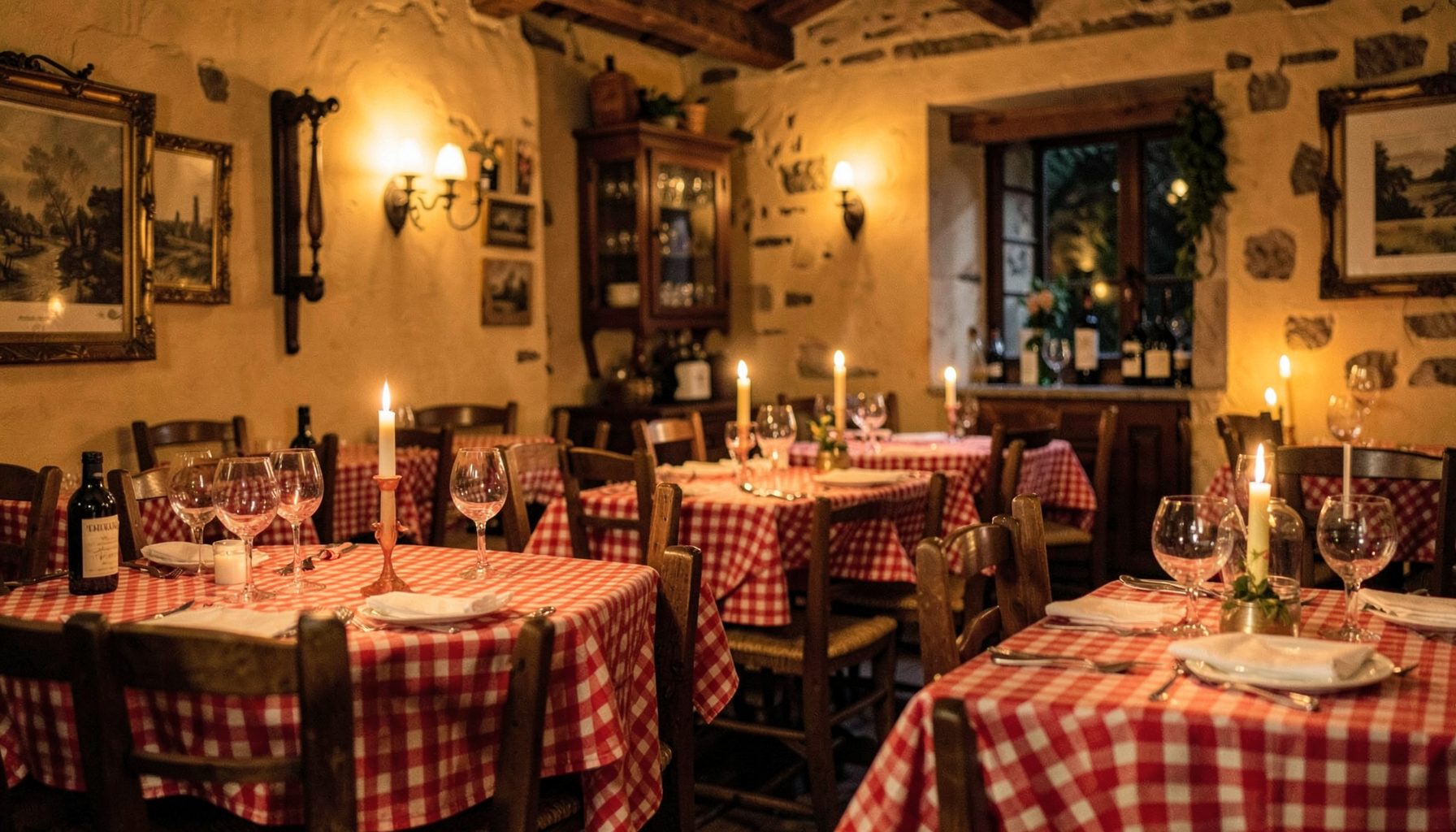
Dining beside our oven is its own form of theatre. Guests settle into the rustic dining room at Geyserville, pour a glass of Sangiovese from one of our regional growers, and watch our cooks slide rounds of dough into the dome one after another. The light flickers off the terracotta tiles, the smoke curls out through the flue, and the room fills with a perfume that feels closer to a Mediterranean farmhouse than a Sonoma evening.
We host private celebrations, seasonal suppers, and chef-led demonstrations around the hearth throughout the year, and the oven tends to be the centrepiece of every gathering. Tastings of heirloom tomatoes and wood-roasted vegetables run alongside demonstrations of hand-stretched pasta, and guests leave with a new appreciation for what a single well-built oven can do. Come hungry, leave smoky, and let the flame do what it has done for centuries - turn simple, seasonal ingredients into something worth lingering over.