Wild Fennel, Long Memory: How Our Pesto Bridges Sonoma and Sicily
There's a particular aroma that drifts through our kitchen in late spring — bright, anise-sweet, like licorice cut with wild herbs and rain. That scent belongs to wild fennel, the quiet star of one of our most-loved seasonal condiments. We've been chasing this plant across two coasts for years, and the pesto we serve today is a love letter written in two languages: one spoken in Sicilian hill towns, the other in the dry golden hills of Sonoma County.
Fennel grows where it pleases. In Sicily, it carpets the sides of country roads and flavours everything from sausage to seafood. In Sonoma, it arrived quietly — some say tucked into the ballast of old ships — and now dots our back roads with feathery fronds that taste unmistakably of the Mediterranean. We treat the plant as a kind of edible compass, pointing both backward and forward.
Most guests don't realise how much wandering goes into a single spoonful. The fronds are cut by hand, washed three times, and balanced against pistachios, almonds, pecorino, and cold-pressed local olive oil. The result is brighter than basil pesto, more savoury, with a clean bitter edge that wakes up a bowl of pasta or a piece of grilled fish. It's a flavour that travels well.
In Australia, especially in places like Fremantle and inner Melbourne, chefs have their own fierce relationship with foraged greens. A cook we met in Carlton described her version as "a bit cheeky, a bit wild" — a phrase that captures what we mean. Italian-Australian kitchens have always blended Sicilian memory with the produce of the south, and wild fennel fits right into that conversation.
Where It Begins: Sicily's Fennel Country
Drive inland from Catania and the air changes. Citrus groves give way to vineyards, then to open slopes where wild fennel grows waist-high. Nonna kitchens in towns like Ragusa Ibla and Modica have used fennel pollen, fronds, and seeds for centuries — sometimes folded into fresh ricotta, often eaten raw with bread, olive oil, and a little sea salt.
A Sicilian cook told us fennel was never really "added" to dishes; it was understood, the way Australians understand a flat white or a meat pie. She showed us how her grandmother would bruise the fronds with a wooden spoon to release the oils before tearing them into a salad of bitter oranges and black olives.
That conversation stayed with our chef for years. When he started exploring wild fennel in Sonoma — the climate is closer to Sicily than most people assume — he recognised the same plant behaving the same way. It was less a discovery than a reunion.
The Quiet Arrival of Fennel in Sonoma
California has its own complicated love affair with fennel. Brought over in the 1800s, possibly as a seed contaminant, the plant naturalised quickly and now grows along highways, in creek beds, and on the edges of vineyards. We walk past it on the back roads of Geyserville without always noticing how unusual it is — a Mediterranean herb flourishing in the New World like a long-lost cousin who came home.
Sonoma fennel tends to be more intensely aromatic than its Sicilian counterpart, possibly because the dry summer concentrates the essential oils. Our foragers look for plants growing away from treated fields, ideally on slopes that catch the morning fog. The fronds are cut cleanly with a small knife, never pulled, so the root stays healthy and the plant returns the following year.
In Australia, where bushfire risk and water scarcity shape how people forage, the idea of "take a little, leave a lot" is familiar. We've watched foragers around the Adelaide Hills talk about the same ethic — that a wild plant only stays wild if you treat it like a guest.
From Frond to Jar: How the Pesto Comes Together
Wild fennel pesto doesn't behave like basil pesto. There's no hot water bath, no bright green colour, no heavy garlic. The plant does most of the talking. We blend the fronds with a small amount of garlic, a handful of toasted almonds (sometimes pistachios when we can get them from a mate in Bronte who brings them back from a yearly trip), a generous grating of aged pecorino, and a slow stream of olive oil pressed just down the road.
The texture is looser, almost spoonable rather than knife-spreadable. We salt it lightly and finish it with a squeeze of lemon if the fronds taste particularly grassy. It's the kind of sauce that rewards patience — the flavours settle after a day in the fridge.
What goes into the jar:
- Wild fennel fronds, washed and dried
- A single small clove of garlic
- Toasted almonds or pistachios
- Aged pecorino, finely grated
- Cold-pressed local olive oil
- Lemon zest or a squeeze of citrus to finish
Pairings That Make Sense
A spoonful of this pesto can change a plate. We spoon it over handmade rigatoni tossed with crushed cherry tomatoes, drizzle it onto grilled black cod, fold it through butter beans and shaved fennel bulb, or simply spread it on warm bread with a slick of olive oil. It also likes the company of our wood-fired bread, where the char echoes the smokiness of fennel pollen.
For drinks, we reach for a Vermentino or a young Arneis when the pesto is the star. With richer dishes — slow-roasted lamb or pork shoulder braised in milk — a glass of Nebbiolo or a Sonoma-grown Sangiovese steps in beautifully.
Pesto pairings we keep returning to:
- Rigatoni with crushed cherry tomatoes
- Grilled black cod finished with lemon zest
- Butter beans tossed with shaved fennel bulb
- Warm wood-fired bread and a slick of olive oil
- Slow-roasted lamb shoulder alongside Sangiovese
Wild Fennel on the Table
We serve the pesto most often as part of our spring and early summer menu, when the fronds are at their most aromatic. It appears on tasting plates, on bowls of pasta, and on the long table at our seasonal suppers, where the kitchen talks guests through the ingredients before the first bite. Chef-led demonstrations have become a quiet ritual — guests gather around the pass to watch the pesto come together.
For couples planning a wedding in the vineyards or families marking a milestone birthday, we build the entire menu around the pesto. A first course of fennel pesto with grilled prawns, a second of rigatoni dressed in the sauce, and a dessert of fennel-seed biscotti with vin santo ties the evening to a single plant.
If you're hosting a celebration further afield — a long lunch in the Barossa, a birthday in the Blue Mountains, a corporate retreat somewhere coastal — our team can bring the flavours to you. Reach out through our private catering experiences page and we'll start the conversation.
A Note for Our Friends in Australia
Australian kitchens have always understood fennel. Italian grocers in Lygon Street have been selling fennel pollen for decades, and home cooks from Perth to Hobart keep jars of it next to the dried oregano. What we love about the conversation down under is how freely it borrows — a chef in Fitzroy might pair our pesto with local yabbies, or someone in Brisbane might stir it through a barley salad with quandong.
We hear, too, that Australians increasingly expect provenance. The phrase "where was this grown?" has become as common as "how much is it?" at farmers' markets from Paddy's Market to Salamanca Place. Our story — a plant that crossed oceans, took root in new soil, and ended up on a plate — fits that appetite for food with a long memory.
Why It Matters
There is something quietly radical about a sauce made from a plant most people walk past. Wild fennel asks you to slow down, to notice, to taste what the landscape is already offering. In a season when we're all trying to cook a little more thoughtfully, that feels like the right invitation.
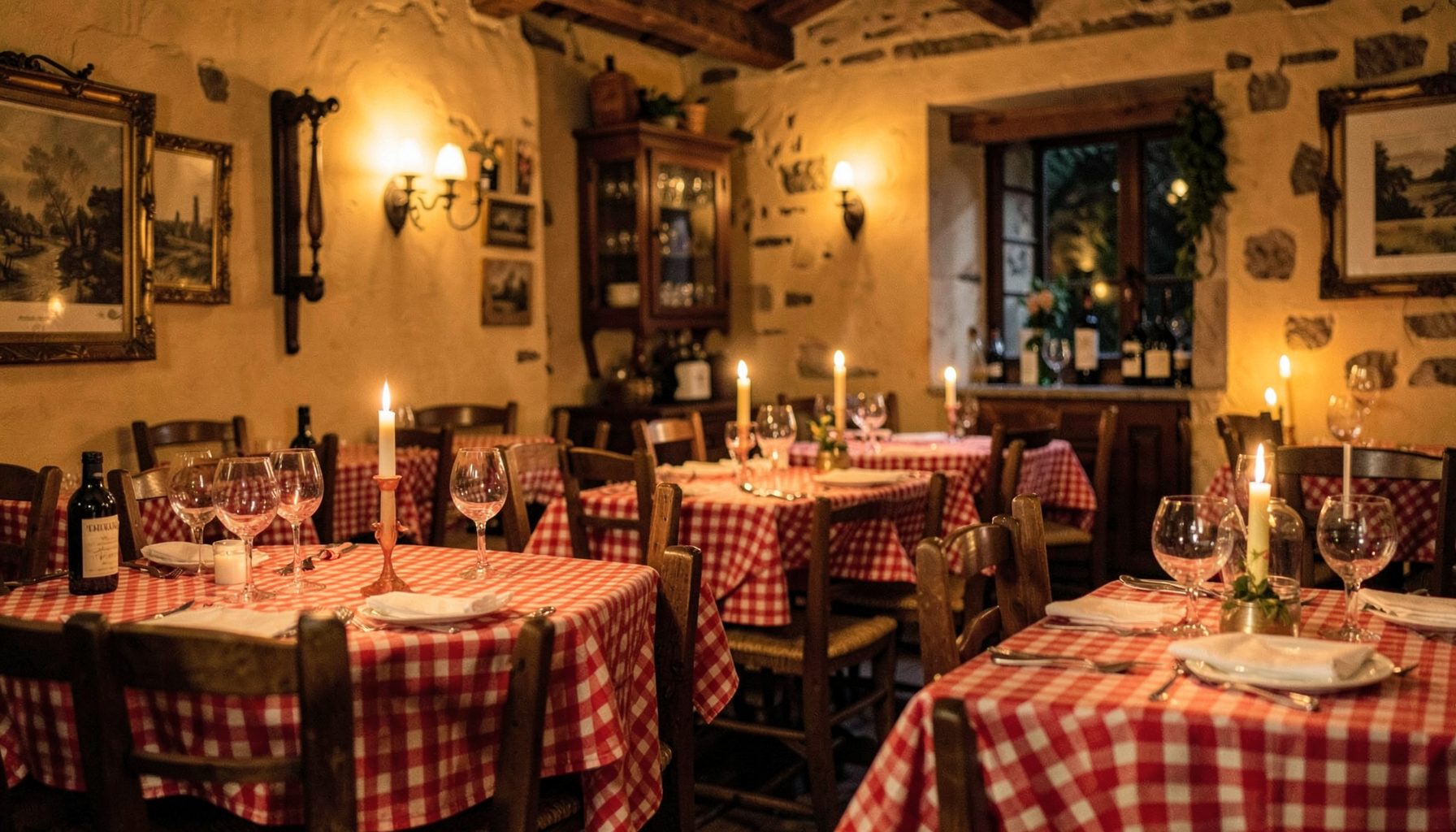
So the next time you sit down at Taverna Santi and a small bowl of bright, anise-fragrant pesto arrives at the table, you'll know it began in two places at once. Sicily taught us how to love the plant. Sonoma gave it a second home. The rest is just good cooking.