Pairing Sonoma Chardonnay with creamy polenta dishes
Creamy polenta has a generous, comforting texture that calls for a wine with freshness, breadth and enough character to keep each mouthful lively. In Sonoma County, Chardonnay can offer all three qualities, especially when it comes from a cool site and is handled with restraint in the cellar. Its citrus, orchard-fruit and savoury notes can bring definition to a dish built around cornmeal, butter, cheese and seasonal vegetables.
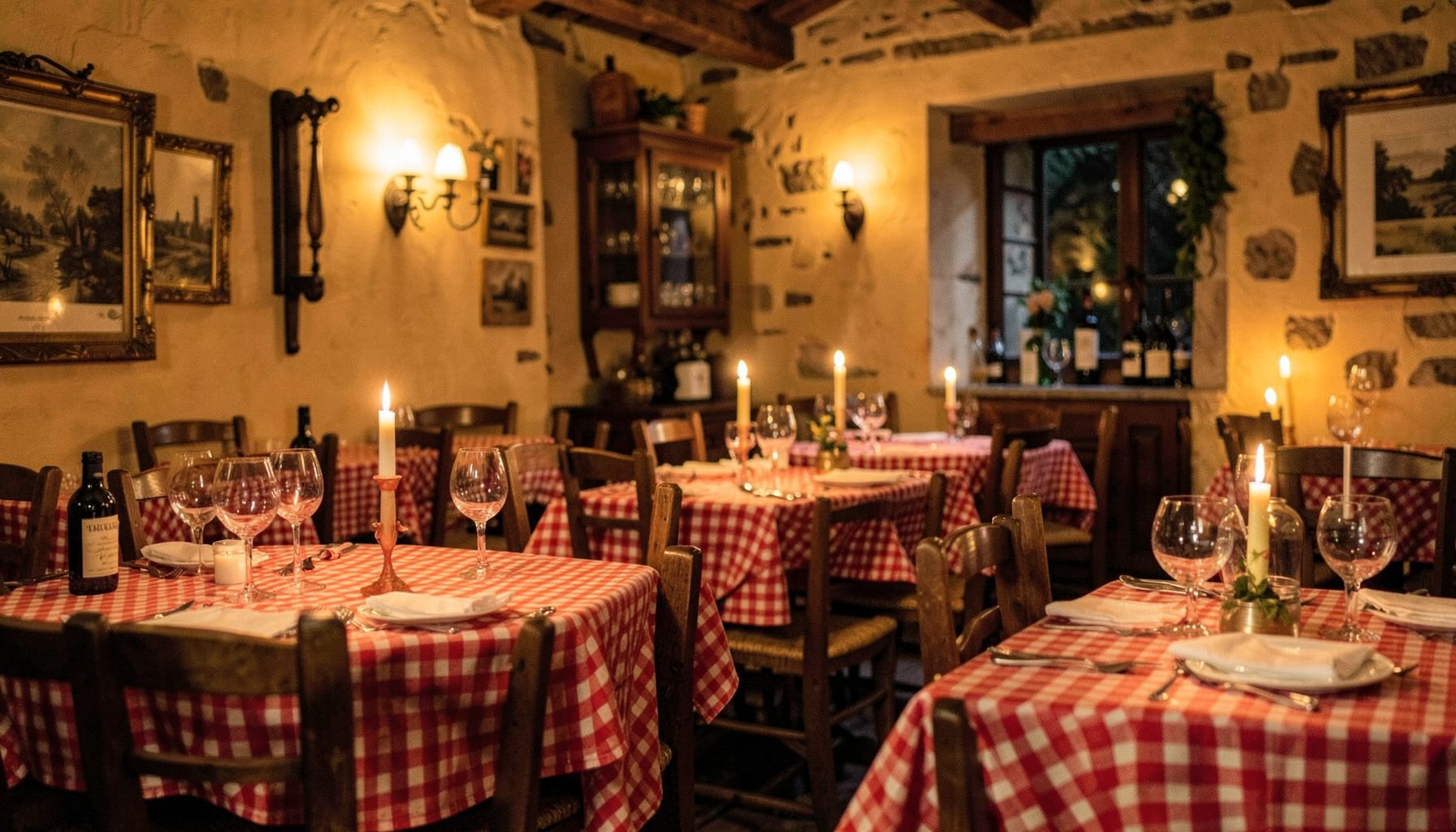
At Taverna Santi in Geyserville, this style of pairing reflects the restaurant’s wider approach to Italian cooking: traditional methods, local produce and a strong sense of place. For Australian diners, the comparison is easy to appreciate. Think of the way a cool-climate Chardonnay from the Yarra Valley, Adelaide Hills or Margaret River can refresh a rich plate, while still matching the warmth of a long Sunday lunch.
What makes polenta a natural match
Polenta is made from ground cornmeal cooked slowly with water or stock until tender. Its flavour is mild, gently sweet and earthy, which makes it an excellent canvas for stronger ingredients. Cream, Parmigiano-Reggiano, taleggio, roasted mushrooms and braised meats can all change the character of the dish, yet the soft texture remains at its centre.
A well-made Chardonnay has the structure to meet that richness without making the pairing feel heavy. Its acidity cuts through butter and cheese, while fruit flavours give the cornmeal a brighter finish. When the wine has spent some time in oak, subtle notes of toast, vanilla or baking spice can echo browned butter and wood-fired cooking without overpowering the plate.
Choosing a Chardonnay with enough freshness
The best bottle for creamy polenta is rarely the most heavily oaked or alcoholic option. Look for a wine with crisp acidity, moderate body and a clean finish. Sonoma County offers considerable diversity, from cool coastal vineyards with lemon and green apple notes to warmer inland sites with ripe stone fruit and a rounder palate.
This balance also makes the pairing appealing to Australian wine drinkers, who are familiar with the contrast between lean and richer Chardonnay styles. A bright Adelaide Hills bottle may suit polenta with spring peas and herbs, while a fuller Margaret River Chardonnay can stand beside roasted pumpkin, mushrooms or a dish finished with aged cheese.
Temperature matters as well. Serve the wine cool but not icy, around 10–13°C, so its aroma and texture remain expressive. A bottle taken straight from a very cold refrigerator may seem sharp and thin, while a warmer pour can make the creaminess of the meal feel excessive.
Matching the wine to the toppings
For polenta topped with wild mushrooms, choose a Chardonnay with savoury detail and gentle oak. Earthy fungi often bring out the wine’s flinty or nutty qualities, especially when the dish includes thyme, sage or roasted garlic. A Sonoma wine with restrained barrel influence can connect naturally with these flavours.
Sweet roasted squash, carrots and corn call for a wine with ripe fruit and a rounded texture. Chardonnay showing peach, pear or baked apple can mirror the vegetables while acidity prevents the pairing from becoming sugary. A spoonful of mascarpone or a crumble of ricotta salata can add a creamy-salty bridge between the two.
When polenta accompanies braised beef, pork or duck, the wine should have enough body to avoid disappearing. Chardonnay is most successful here when the sauce is not intensely peppery or heavily reduced. A lighter braise with herbs, stock and seasonal vegetables allows the wine to refresh the palate between bites.
Considering oak, lees and texture
Oak is useful when it adds shape rather than simply flavour. Subtle barrel ageing can give Chardonnay a creamy middle palate that mirrors polenta, while well-integrated acidity keeps the wine precise. Too much new oak, however, may create a pairing dominated by vanilla, toast and sweetness.
Lees ageing can contribute a soft, savoury quality reminiscent of fresh bread, roasted nuts or pastry. That character is especially attractive with polenta enriched by butter and hard cheese. Diners accustomed to Australian Chardonnay may recognise a similar textural distinction between wines focused on bright fruit and those shaped by fermentation or maturation in oak.
A useful rule is to match intensity rather than weight alone. Delicate polenta with greens needs a more lifted wine, while a baked version layered with cheese can handle greater richness. The goal is for the final sip to make the next bite feel inviting, not to compete with it.
Bringing Italian technique to a local table
The appeal of this pairing lies in its simplicity. At an intimate Sonoma restaurant, polenta may be cooked slowly until smooth, then finished with local butter, cheese or stock. Seasonal produce determines the final direction, so the same base can move from a spring dish with asparagus to an autumn plate with mushrooms or braised greens.
That ingredient-led method has a natural connection with Australian dining customs. A relaxed meal at a Melbourne wine bar, a long lunch in Sydney or a weekend gathering after visiting a farmers’ market often revolves around sharing a few generous dishes. Creamy polenta works well in that setting because it can support vegetables, grilled meats and sauces without demanding complicated service.
The craft behind the dish also deserves attention. Taverna Santi’s account of a pasta maker’s day offers a glimpse into the patience and handwork that shape the restaurant’s food. That same care applies to polenta: gradual cooking, careful seasoning and a final adjustment of consistency can make a simple grain dish feel remarkably polished.
Serving ideas for Australian diners
For a home dinner, begin with a bottle that shows citrus, stone fruit and restrained oak. Pour a small amount before the meal so the wine can open as the polenta finishes cooking. If the dish contains parmesan or another aged cheese, avoid adding too much salt at the start; the cheese and wine will intensify the savoury impression.
A useful Australian-style menu might pair creamy polenta with roasted mushrooms, grilled asparagus or charred cavolo nero, followed by a cool-climate Chardonnay. At a summer table in Brisbane or Perth, use lighter toppings and fresh herbs. During a cooler evening in Hobart or Canberra, richer preparations with braised vegetables and browned butter can feel especially satisfying.
For groups, serve the polenta warm in a broad bowl or shallow platter so the toppings remain visible. Keep the wine available throughout the meal rather than reserving it for a single course. Its acidity can reset the palate after each rich bite, which is particularly useful when several guests are sharing one substantial dish.
A simple guide to the final pour
A successful match depends on the relationship between texture, seasoning and freshness. Use the following guide when selecting a bottle and shaping the dish:
- Choose bright, medium-bodied Chardonnay for polenta with greens, peas, herbs or fresh cheese.
- Select a rounder, lightly oaked style for mushrooms, roasted pumpkin or browned butter.
- Match fuller Chardonnay with cheese-rich baked polenta or gently braised meats.
- Keep chilli and very sharp vinegar restrained, as they can make the wine seem flat.
- Serve the bottle cool rather than ice-cold, then allow it to warm slightly in the glass.
- Finish the dish with herbs, lemon zest or a modest drizzle of olive oil for added lift.
The most memorable pairings leave room for both food and wine to show their character. Sonoma Chardonnay can bring brightness, texture and regional expression to creamy polenta, while polenta gives the wine a warm, rustic partner. Served alongside seasonal produce and a thoughtfully prepared Italian meal, the combination feels generous without becoming overwhelming.