A day in the life of a Taverna Santi pasta maker
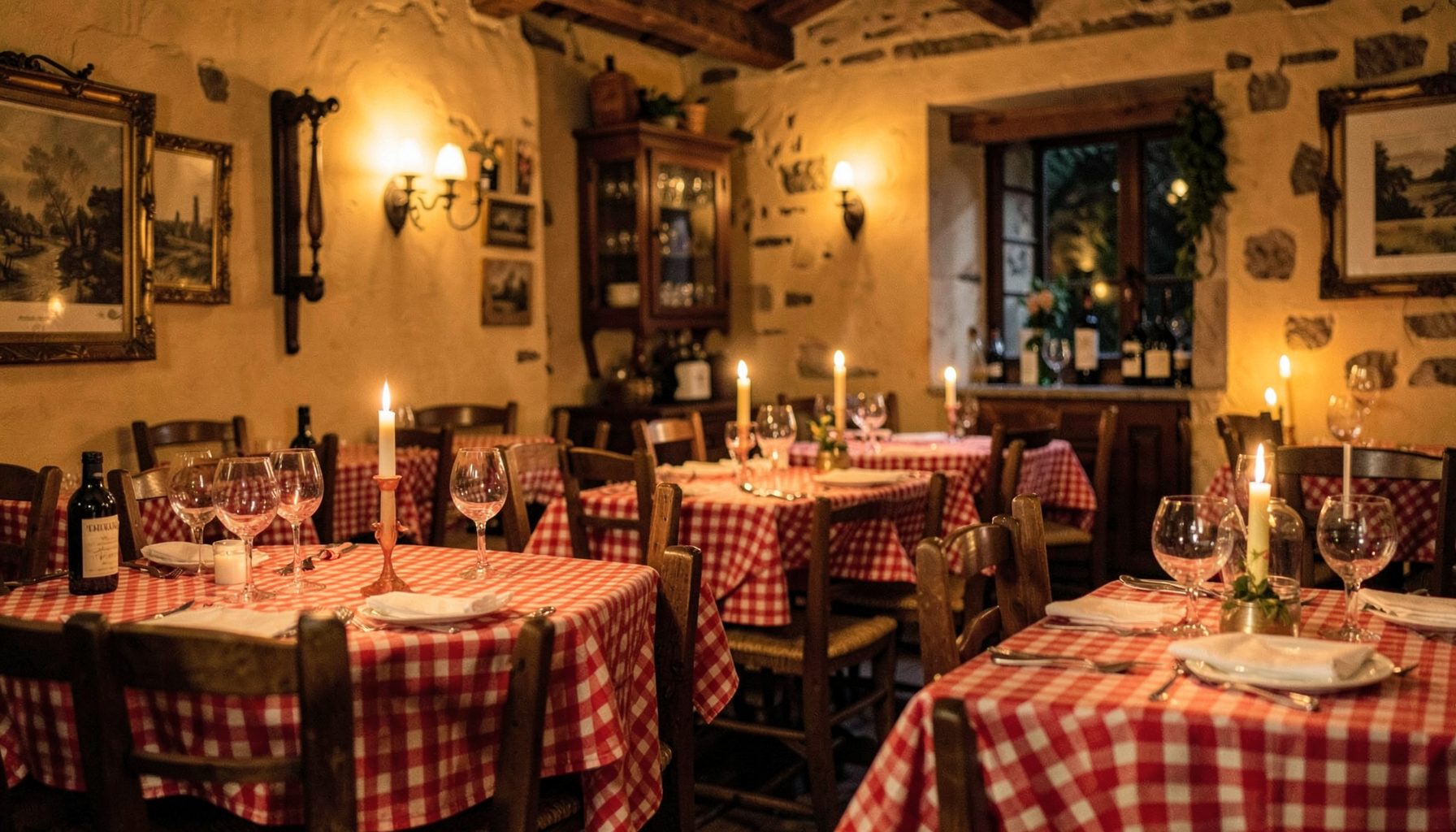
The first light creeps over the rolling hills of Sonoma County, casting a pale glow on the rustic timber walls of Taverna Santi in Geyserville. Inside the kitchen, the air is still cool from the night, and the only sound is the soft hum of the refrigerator and the distant call of a rooster. The pasta maker arrives well before the sun, unlocking the heavy wooden door with keys that have become an extension of their hand. This is the quiet hour, a sacred space where the day's foundation is laid.
Across the Pacific, diners in Melbourne and Sydney share a deep appreciation for the kind of handmade pasta crafted in this Sonoma kitchen. Lygon Street in Carlton has long been a beacon for Italian cuisine in Australia, and the trattorias of Haberfield in Sydney still honour the traditions brought by post-war immigrants. The ethos at Taverna Santi resonates with that same reverence: respect for ingredient, technique, and the slow accumulation of flavour that only time and care can produce.
For the pasta maker, the day is a continuum of small, deliberate acts. From the initial weighing of flour to the final cleaning of the marble bench, every step is guided by a philosophy that values seasonality and locality. The work is physical, meditative, and deeply connected to the surrounding farmland, the nearby vineyards, and the rhythms of the restaurant's dining room.
Pre-dawn rituals at the Geyserville kitchen
The routine begins before the rest of the brigade clocks in. The pasta maker switches on the low lights above the prep station, revealing the smooth surface of the marble countertop that has been polished the night before. A quick inventory follows: semolina from a Northern California mill, all-purpose flour milled just across the valley, and a tray of eggs gathered from a neighbouring farm in Petaluma. Each container is checked for freshness, because the quality of the dough depends entirely on these raw materials.
A pot of water is set to boil on the induction burner, not for cooking but for warming the bowls that will later hold the finished pasta. The wood-fired oven in the corner is stoked, sending a faint scent of apple wood through the room. These small tasks, often invisible to guests, create the calm order that allows the kitchen to function smoothly once service begins.
Crafting the dough with regional ingredients
When the eggs are cracked into the well of flour, the transformation begins. The pasta maker works the mixture with calloused hands, folding and pressing until a shaggy mass forms. There is no rush; the dough is massaged for a full ten minutes, coaxing the gluten into a smooth, elastic ball. It is then wrapped in beeswax cloth and left to rest, a process that allows the flour to fully hydrate and the proteins to relax. This rest is non-negotiable, and the pasta maker uses the time to prepare the sauces and fillings that will accompany the pasta later in the day.
Australian chefs who visit Sonoma often remark on the similarity between the local grains here and those used in artisan bakeries from Sydney to Adelaide. The emphasis on provenance, on knowing exactly where the wheat was grown and milled, mirrors the philosophy found in places like the Yarra Valley or the Barossa Valley, where winemakers and bakers alike champion regional terroir. At Taverna Santi, that same pride is folded into every sheet of dough.
Shaping pasta: sheets, strands and filled parcels
After an hour of rest, the dough is ready for shaping. The pasta maker divides the golden ball into smaller portions, feeding each through the hand-cranked roller. The first pass is firm, the second slightly softer, and by the third or fourth, the sheet emerges translucent and silken. These sheets are draped over wooden dowels to dry for a few minutes, preventing them from sticking together when cut.
Cutting comes next, with a steady hand guiding the sharp knife through wide ribbons of tagliatelle or narrow strands of spaghetti. For filled pasta, the sheets are carefully measured and cut into precise squares. A spoonful of ricotta and nettle, or slow-braised pork, is placed in the centre before the edges are pressed and shaped into tortelli or agnolotti. The rhythm is hypnotic: roll, cut, fill, seal. Each shape is laid out on floured trays, ready for the lunch service that will soon begin.
Midday service and kitchen collaboration
As the clock strikes eleven, the dining room begins to fill, and the kitchen shifts into a higher gear. The pasta maker coordinates with the sauté cook, timing the fresh noodles to drop into boiling water exactly when an order is called. A typical lunch might feature the pappardelle with wild mushroom ragù, or the delicate tortelli filled with squash and amaretti. The pasta maker is the eyes and ears of the pasta station, watching the bubbling water, tasting a strand for doneness, and signalling when the pasta is ready to be lifted and tossed in the prepared sauce.
Plating is a joint effort. The pasta maker twirls the ribbons into a nest using a carving fork and a spoon, while the line cook finishes the dish with a drizzle of olive oil and a shower of grated Parmigiano. The window into the dining room reveals guests savouring each bite, their conversations a gentle hum that drifts into the kitchen. It is a reminder that the day's quiet labour has translated into something that brings people together.
Seasonal inspirations from the Healdsburg farmers' market
On certain afternoons, when the lunch rush subsides, the pasta maker drives the short distance to the Healdsburg farmers' market. The market stalls brim with the colours of the season: heirloom tomatoes, fragrant basil, and, in the cooler months, bunches of wild fennel gathered from the coastal hills. Conversations with farmers often spark new ideas for the menu. A chat about a particularly aromatic batch of fennel might inspire a new pesto, or a tip about early-spring peas could lead to a delicate filling for ravioli.
This commitment to seasonal eating is something Australian diners recognise instantly. The bustling aisles of Melbourne's Queen Victoria Market or the weekend stalls in Fremantle operate on a similar principle, connecting cooks directly with the people who grow their food. Back at Taverna Santi, the kitchen's signature wild fennel pesto, chronicled in from-sonoma-to-sicily-the-story-behind-our-wild-fennel-pesto-notes, finds its way into the afternoon tasting menu, its bright anise notes lifting a simple dish of spaghetti to something memorable.
Evening wind-down and guidance for pasta lovers
When the last guest departs and the dining chairs are stacked, the pasta maker returns to the station for the final ritual of the day. The marble bench is scraped clean, the rollers are wiped down, and the remaining dough is portioned and stored for the next morning. A quick inventory of the dry pasta is made, and the menu is reviewed for the following day. It is a moment of quiet satisfaction, knowing that the rhythm has been maintained and that tomorrow's pasta will be made with the same care.
For those who wish to experience or recreate this dedication, a few suggestions can help. The following points offer a starting point for pasta enthusiasts:
- Book a seat during the wild fennel season to taste the pesto pasta described in the kitchen's notes.
- Try the handmade tortelli paired with a local Sonoma wine for a complete regional experience.
- Ask about the chef-led pasta sessions, which provide a hands-on look at the techniques used daily.
- For home cooks, source the freshest eggs and stone-milled flour available, and allow the dough to rest fully before rolling.
- Pair handmade pasta with simple sauces to let the texture and flavour of the dough shine.
These small commitments, whether at the restaurant or in a home kitchen, echo the philosophy that guides the pasta maker at Taverna Santi: respect the ingredient, honour the process, and savour the result.