Our favourite spring vegetables: asparagus, peas and fava beans
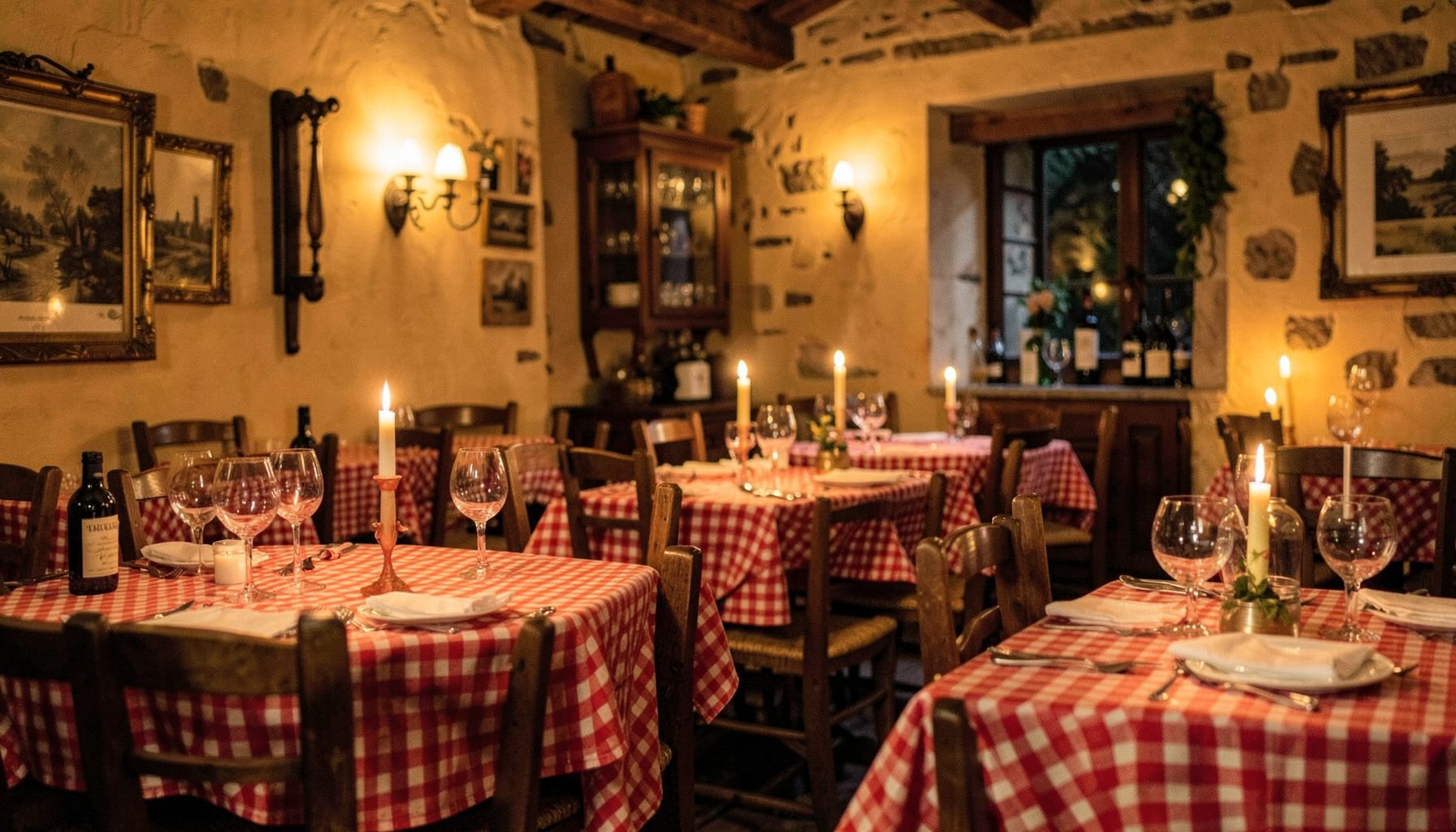
Spring arrives at the table with a distinct sense of urgency. The first asparagus spears are slim and grassy, peas crack open with a sugary snap, and fava beans offer the full, earthy scent of early warmth. At Taverna Santi, this fleeting window shapes our cooking, bringing fresh brightness to the rustic Italian plates served in Geyserville.
These three early-season treasures ask for simple treatment and careful timing. With nearby produce, good olive oil, wood fire and a little attention from the cook, they become vivid rather than merely healthy. They also share a generous, familiar character, making them ideal companions for handmade pasta, shared plates and the relaxed pleasure of a seasonal meal.
A brief taste of spring
The pleasure of spring produce lies in its tenderness. Its flavours are clear, its textures soft, and its colours still bright. A heavy sauce can bury those qualities, while a few minutes of heat keeps their character intact. We therefore build dishes around the vegetable, allowing smoke, lemon, herbs or aged cheese to sharpen what is already there.
Sourcing close to home matters with vegetables that change so quickly. Our growers harvest for the kitchen at the right moment, and shorter journeys give us produce that tastes fresher. It also supports a more accountable food system: neighbouring farms, steadier demand and less packaging around food served a few miles from the field.
That approach fits the Italian table, where the finest dishes often taste remarkably uncomplicated. Wood fire adds depth without dominating, vegetable-forward plates let the season lead, and regional wines can meet each ingredient with freshness. Good produce, steady hands and warm hospitality do the work.
Asparagus and the first tender shoots
Asparagus has a short window in which its tenderness is at its peak. Green spears bring a clean, vegetal note, while purple varieties offer deeper flavour and a hint of sweetness. Thick spears benefit from peeling, while fine ones need little more than a trim. The ends can feel woody, so many cooks peel and use them for stock.
Over a hot grill or in the wood-fired oven, asparagus develops smoky edges while the centres stay succulent. We like a little olive oil, plenty of black pepper and a scattering of lemon zest, with breadcrumbs or grated pecorino adding crunch. A soft egg and a spoonful of salsa verde also turn the spears into a generous spring plate.
The same respect for texture guides our pasta. The craftsmanship captured in a pasta maker’s day reveals how much patience goes into a smooth sheet of dough. Cut into ribbons and cooked briefly, fresh pasta can carry charred asparagus, peas and butter without losing the character of either.
Peas from pod to plate
Fresh peas divide into useful categories: garden peas, eaten pod and all, and shelling peas with larger, sweeter seeds. Sugar turns to starch soon after picking, so speed matters. Pods should look full and bright, and the seeds should feel firm. Empty shells, dull skins or limp stems are a sign that their sweetness has already begun to fade.
Blanching for a short time preserves both colour and texture, after which peas can be crushed with olive oil, parsley and pecorino. They also fold naturally into handmade pasta, where a little pasta water turns their juices into a glossy sauce. Simmering the empty pods enriches stocks, while sweet peas and broad beans can share a plate.
The vegetable-focused recipes from What's Cooking India offer a lively comparison, showing how herbs, spices and careful browning can give green produce a different voice. We remain rooted in Italian methods, but such comparisons keep the kitchen open to new ideas. A crisp Gavi or Verdicchio complements peas particularly well.
Fava beans and the art of peeling
Fava beans, also known as broad beans, bring a deeper, nuttier flavour than peas. Their pods are often enormous, yet the tender beans inside are best while still small and bright. They are usually double-peeled: first from the pod, then from the thin skin around each seed. That extra work rewards the cook with creamy flesh and a gently earthy flavour.
We often roast the beans until they take on colour, then fold them into pasta with pecorino, breadcrumbs and a little olive oil. Simmering makes them softer, which suits braises and rustic plates. Their place in the garden is also useful; as legumes, they can contribute to crop rotations that support soil fertility when farms manage them thoughtfully.
A plate of fava beans can stand on its own, especially with spring herbs and sharp pecorino, but they also welcome crisp bacon, slow-cooked pork or simply a spoonful of olive oil. Their fuller body stands up to a structured red such as Chianti Classico. Serving the beans warm rather than tepid makes a considerable difference.
Australian spring and Californian inspiration
Across southern Australia, spring arrives roughly from September to November, bringing asparagus, early peas and broad beans to growers' markets and greengrocers. Sydney, Melbourne and Adelaide each have their own rhythm, shaped by climate and distance from the farms. The seasons are reversed from those in Sonoma, yet the pleasure of a short, abundant harvest feels remarkably similar.
Weekend market visits, produce boxes and shops that sell fruit and vegetables loose are familiar Australian habits. Reusable bags are often part of the routine, as is cooking a batch of peas and freezing them for later in the year. At home, the same rule applies: use what is fresh, then plan the rest of the meal around it.
Packaging rules have added another layer to everyday food habits. Since July 2023, NSW has prohibited most single-use plastic items, including many takeaway containers and cutlery, while produce bags remain available for loose fruit and vegetables. The precise rules differ across states, so local council guidance is more reliable than assuming one national standard.
There is no need to imitate our Sonoma menu to enjoy the same seasonal rhythm. Look for Australian growers, ask when a crop was picked and choose the version of each vegetable that looks and smells freshest. That is the useful thread connecting a kitchen in Geyserville with a Saturday market in Melbourne or Sydney.
Ways to enjoy the season’s harvest
Whether you dine with us or cook at home, the same principles apply: buy at peak freshness, keep cooking brief and let one good ingredient remain visible. A few practical choices can turn these short-lived vegetables into memorable dishes.
- Choose each vegetable by feel: asparagus should be firm and moist, pea pods should squeak, and fava pods should be full without becoming fibrous.
- Try more than one cooking method, such as grilling asparagus, blanching peas and roasting peeled fava beans to bring out their contrasting textures.
- Toss a handful of peas and broad beans through fresh pasta with pecorino, olive oil and enough pasta water to make the sauce cling.
- Pair the meal with a crisp regional white, including Gavi or Verdicchio, and serve vegetables alongside the main course rather than treating them as an afterthought.
- Keep a small menu in mind, bringing out one vegetable at a time so that flavours remain distinct instead of crowding the plate.
At Taverna Santi, these ingredients also shape our seasonal suppers, tastings and chef-led demonstrations. Private events and celebrations, from intimate dinners to shared tables, give the dishes another setting, but the pleasure remains the same: produce handled with care, served with regional character and shared around a rustic table.
Spring on a Sonoma table is fleeting, generous and worth savouring. Asparagus, peas and fava beans each carry a different expression of the season, and together they show how a thoughtful menu can leave plenty of room for appetite.