Why We Source Whole Animals from Local Ranches
At Taverna Santi, the first cut of an animal shapes the rest of our work. A shoulder may become a wood-fired centrepiece, while trim and bones become stock for handmade pasta. We source whole animals from local ranches to build a complete, thoughtful menu rather than select isolated cuts.
Our kitchen follows season, place and Italian technique. Sonoma County provides the landscape and the people who work it, while the table moves between handmade pasta, vegetable-led plates, wood-fired dishes and regional wines. The animal belongs within that wider network, not outside it as an anonymous commodity.
Whole-animal sourcing also requires planning across days and seasons. It asks for close communication with farmers, butchers and our brigade, and it makes waste visible rather than convenient. The payoff is expressive food, a stronger bond with the land and a clearer story for guests in Geyserville.
A closer relationship with the land
A local ranch is more than a supplier of meat. We learn the herd’s history, pasture conditions, handling and harvest schedule, then shape the menu around what the animal can offer. That knowledge creates continuity between farm and kitchen.
Those conversations also help us buy with less guesswork. Carcasses can be divided into cuts that suit different days, staff can learn each part, and seasonal abundance can guide specials instead of being dictated by a fixed purchasing list.
Australian shoppers already encounter this kind of provenance through regional Victorian and New South Wales saleyards, independent butcher shops and farmers’ markets in Melbourne and Sydney. Labels such as grass-fed, grain-fed and free-range have trained many diners to ask meaningful questions about origin.
One animal, many possibilities
Whole-animal buying gives our cooks access to a full range of cuts and proportions. We can use tenderloin with restraint while giving slower cuts the time they need. This encourages variety across the menu, including sausages, roasts and braises rather than a narrow list of familiar steaks.
It also lets us balance the menu. Less familiar cuts bring depth to a meat sauce or handmade pasta, while careful butchery turns usable trim into stocks and flavour. The vegetable plates remain central: meat is one expression of local abundance, not the measure of the meal.
At Melbourne’s Queen Victoria Market, provenance and seasonality are visible in the stalls, and the same conversation is changing many restaurant kitchens across Australia. When diners recognise a whole animal by name and farm, an evening out can feel connected to a wider local food economy.
Italian butchery, handled with restraint
The Italian whole-animal tradition gives us a practical framework, but skill and care matter more than fashion. Our approach follows the Italian whole-animal tradition recorded in our notes, with each primal, muscle and useful fraction treated as part of one coherent cook.
We work with experienced butchers and our kitchen team to understand how a carcass breaks down. That knowledge reduces damage and waste, gives each cut a suitable method and preserves respect for the animal. The aim is not novelty for its own sake; it is honest Italian cooking built around full value.
Flavour shaped by season and husbandry
An animal’s flavour begins with diet, age, breed and the land under its feet. Grass availability, weather and grazing management affect fat, texture and the balance between lean meat and richness. Local sourcing lets us describe those details with accuracy and adjust the menu as the ranch’s season changes.
Many Australian diners understand why feeding and husbandry matter because the terms grass-fed and grain-fed are familiar from butcher counters and barbecue debates. We avoid treating one label as a guarantee of quality, however. We ask the rancher how animals were raised, then let the resulting flavour speak for itself.
Turning every useful part into flavour
Some parts require long cooking, and that patience suits our wood-fired kitchen. Bones and aromatic vegetable trimmings can simmer into a clear, layered stock for pasta and slow-cooked meat sauce; roasted bones can deepen a braise; rendered fat can enrich sauces without obscuring the main ingredient.
Offal also rewards precision. Liver, heart, tongue or a well-seasoned sausage can become a prized plate when cooked cleanly and served at the right moment. A whole-carcass approach gives these skills a place on the menu, alongside the vegetable dishes that already express Sonoma’s seasonal produce.
Local does not automatically mean impact-free. Short journeys can reduce some transport, while careful storage and full use can prevent waste. We still consider freezing, energy use, packaging and whether each animal was truly needed, because credible sustainability depends on evidence rather than a reassuring label.
A shared table with a practical purpose
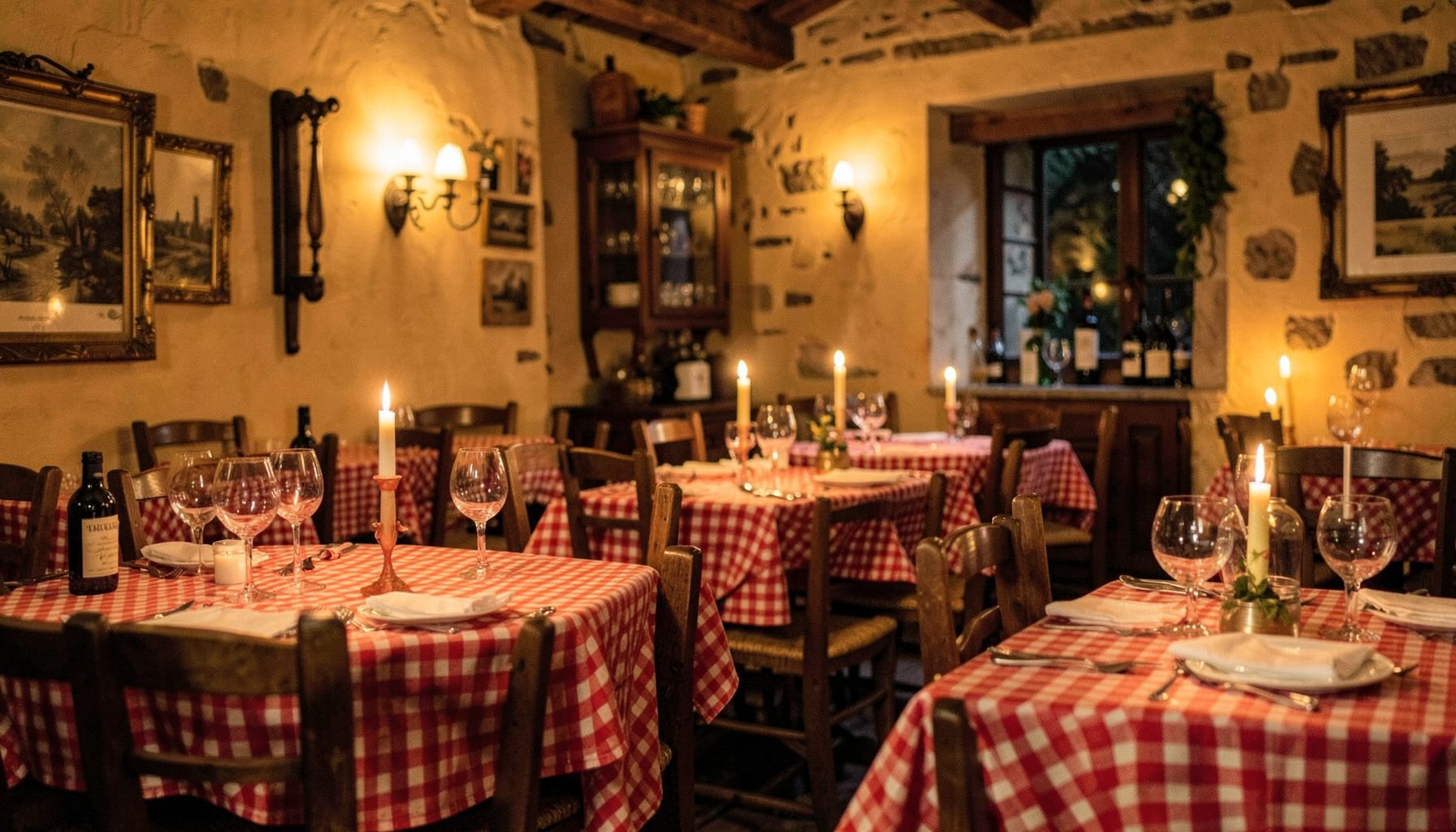
Whole-animal sourcing gives our private events, celebrations, tastings, seasonal suppers and chef-led demonstrations a coherent theme. Guests can see how a single animal becomes several plates, and our team can explain the reasoning behind each preparation. The story supports the intimate, rustic atmosphere of the dining room.
It also fits the Australian custom of gathering for Sunday lunch. As a country roast becomes the centre of a family table, our shared plates can bring different cuts into one meal with pasta, vegetables and wine. The custom changes, but the pleasure of a generous, communal table remains familiar.
Ways diners can encourage better sourcing
Guests can help by asking where a cut came from, seeking varied preparations and treating lesser-known cuts as valuable rather than lesser. Small choices reward kitchens that buy thoughtfully and build relationships with farmers.
- Ask the butcher or restaurant which ranch, region and animal the meat came from; clear sourcing should come naturally, without a dramatic story.
- Choose dishes that use several cuts from the same animal, such as a roast accompanied by a slow-cooked sauce or sausages made from trim.
- Look for seasonal vegetable plates alongside meat, supporting the whole menu and reducing demand for unnecessary portions.
- Experiment with familiar Australian secondary cuts at home, including brisket, shoulder and shin, prepared slowly rather than discarded.
- Buy what you will cook, freeze portions properly and ask your local butcher for practical advice on lesser-known cuts.
At Taverna Santi, whole-animal sourcing is a daily practice rather than a marketing phrase. It links a Sonoma County ranch to handmade pasta, wood-fired food and a welcoming table, while giving us a deeper reason to respect every part we receive.