Why We Love Bitter Greens
Bitter greens earn their place on a plate by creating contrast. Radicchio, endive and escarole can be vivid, crisp and pleasantly assertive, bringing a depth that sweetness alone cannot. Used with restraint, they make pasta, grilled vegetables and shared plates feel complete rather than heavy.
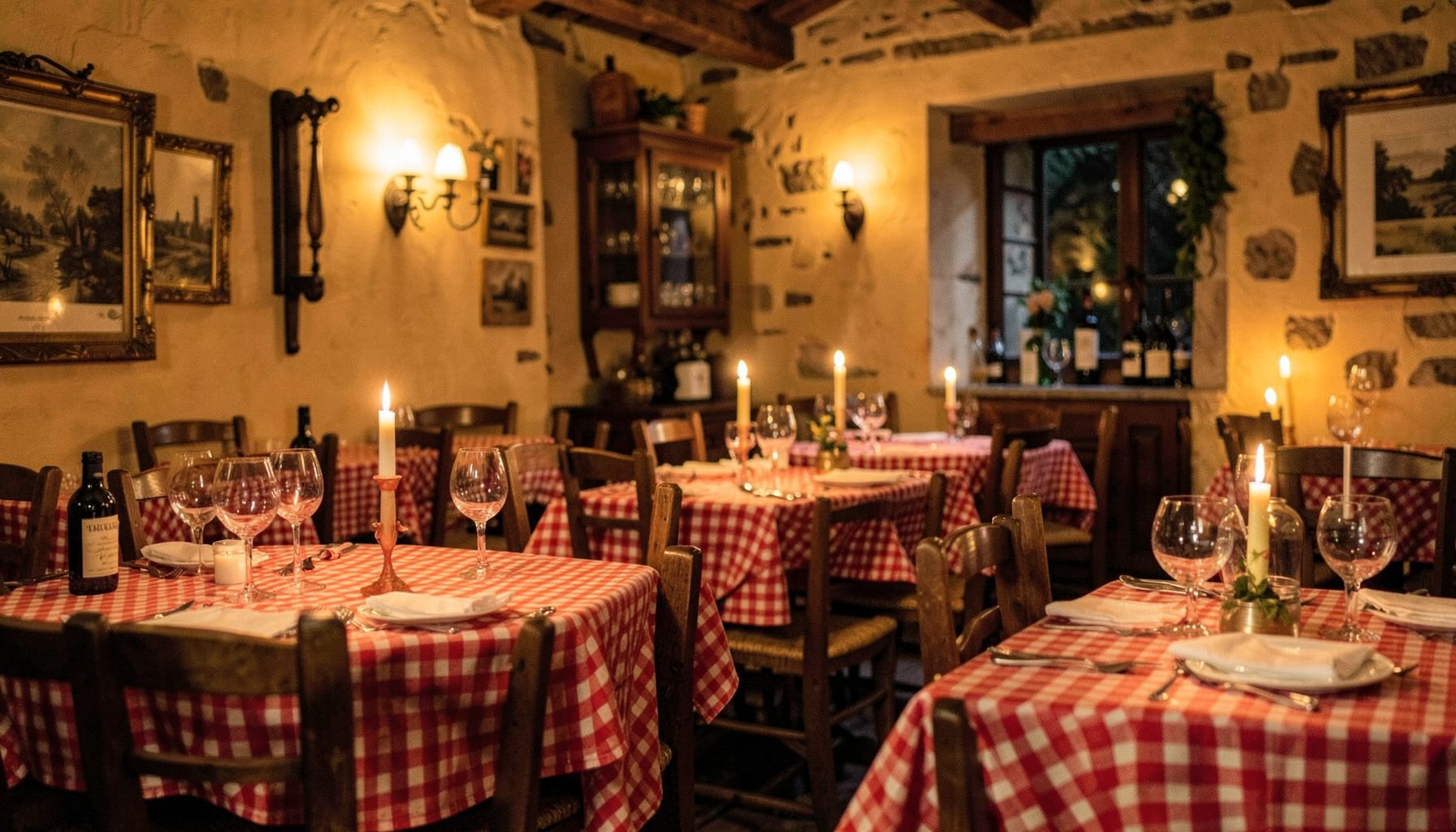
At Taverna Santi in Geyserville, we love them for the way they express a season and a place. Our kitchen follows Italian traditions, working with carefully sourced produce and local farmers, then letting wood fire, simmering and braising soften their character. The result is food that feels rustic and precise, with every bitter leaf contributing purpose.
Three leaves, three expressions
Although radicchio, endive and escarole all belong to the chicory family, they are not interchangeable. Radicchio forms tight red or purple heads and often develops a sweet, peppery finish. Belgian endive is pale, compact and crisp, while curly endive has looser, frilled leaves. Escarole has broad, tender blades and usually carries the gentlest bitterness.
Texture matters as much as flavour. A raw endive leaf snaps cleanly; radicchio offers a denser chew; escarole folds softly around other ingredients. These differences give a cook choices rather than a single formula. A salad can move from delicate to robust, and a pasta can become bright and elegant or hearty enough for the centre of the table.
Why balanced bitterness feels delicious
The pungency of chicory comes largely from plant compounds called glucosinolates, which can register as bitter or hot. Heat changes their profile: grilling caramelises a leaf’s sweet side, while braising mutes the sharp edge without erasing it. Chilling radicchio before serving firms the leaves and makes the red colour more pronounced.
Balance is the key. Olive oil and butter round out bitterness, acidity lifts it, and a little sweetness keeps it from tasting harsh. Salt, garlic, anchovy or cured meat can add savoury depth, while nuts, cheese and herbs supply aroma and texture. These greens also bring fibre and useful micronutrients, but their real culinary value is how they make the surrounding ingredients taste clearer.
Radicchio brings colour and depth
Radicchio ranges from round Chioggia types, with white veins and red centres, to slender Treviso heads known for their dense purple leaves. Young leaves can be eaten raw, but mature heads reward heat. Cutting one in half and grilling it over flame concentrates the sugars at the cut face, leaving the outer leaves slightly smoky and the centre tender.
In the kitchen, we like radicchio folded into handmade pasta with breadcrumbs, butter and Parmigiano Reggiano, or braised until silky for a risotto. Its slight bitterness works beautifully with sausage, mushrooms and sweet onions. On a wood-fired evening, the char along the edges gives the dish a subtle bitterness of its own, balanced by olive oil, lemon or a splash of good red wine.
Endive keeps a crisp, clean edge
Endive has a reputation for neatness, and its tightly layered leaves suit a composed plate. Belgian endive, also called witloof, is mild and refreshing, with a clean crunch that contrasts with roast meat or soft cheese. Curly endive is more visibly ruffled, with a pronounced peppery note that stands up to bold dressings.
That crispness makes endive more than a garnish. We grill halves until the leaves darken at the tips but retain some bite, then serve them with bresaola, lemon and shaved Parmesan. Endive can also be simmered briefly and combined with beans or baked fish. The goal is to preserve contrast: if everything becomes soft, its particular charm disappears.
Escarole is tender enough to fold into pasta
Escarole is the broad-leaf member of the chicory group, sometimes encountered as flat-leaf Batavia chicory. Its flavour is mild, faintly bitter and vegetal, with tender ribs and leaves that wilt quickly. It is an excellent counterpoint to the sharper radicchio and the more structured endive.
Italian cooking makes generous use of escarole. We chop it into a bean soup where it softens into the broth, or sauté it with garlic, olive oil and chilli until glossy. It works particularly well with slow-cooked lamb, and its broad leaves make a generous pasta sauce when braised with tomato and herbs. The flavour also welcomes strong Australian ingredients: lamb shoulder, roast capsicum and a splash of red wine vinegar.
Italian technique meets Australian seasons
Australian cooks will recognise the seasonal rhythm of brassicas, although the calendar runs in the opposite direction to Italy. From June to August, cooler conditions favour radicchio, endive and escarole across Victoria, Tasmania, New South Wales and parts of South Australia. These leaves can be found at Melbourne’s Queen Victoria Market, at growers’ stalls in Sydney and Adelaide, and in well-stocked greengrocers; regional producers are also supplying more distinctive, smaller heads each season.
That winter timing makes the greens especially useful for Australian tables. Their depth pairs naturally with barbecue-season lamb, slow-roasted beef and winter salads, while crisp endive refreshes a plate of rich meat. Shared plates suit the country’s custom of relaxed long lunches, and the bitter leaves give communal dishes a counterpoint to heavier dishes. A regional Australian wine from the Yarra Valley, Margaret River, Hunter Valley or Barossa can provide the same balancing lift as an Italian red or white.
Serving bitter greens with confidence
When choosing these leaves, look for vibrant colour, clean ribs and crisp edges rather than perfect uniformity. Small, irregular heads often have more flavour, and a little frost or browning is not automatically a fault. Keep them dry in the refrigerator, but wash only before use so they retain their crunch. Escarole should be used soon after buying; radicchio and endive generally keep longer.
The most reliable approach is to build contrast around each green. Radicchio can carry stronger flavours, endive calls for something rich to balance its edge, and escarole benefits from high heat. Serve bitter greens while they still have texture, and taste a leaf before deciding how much salt, acid or fat the dish needs.
- Choose radicchio for concentrated flavour, compact texture and a sweet-pepper finish.
- Select Belgian endive when crispness and a clean, gentle bitterness will hold the plate together.
- Pick escarole when you want tender leaves that wilt into soup, stew or pasta.
- Balance every plate with acid, fat and seasoning rather than trying to hide the bitterness.
- Add the greens late in cooking when their texture matters, or braise them early when softness is the aim.
Together, radicchio, endive and escarole show why contrast belongs at the centre of Italian cooking. Their bitterness gives colour, structure and momentum to a meal, while careful technique turns that assertiveness into the sort of welcome, layered pleasure we want guests to remember.