The Tradition Of Bruschetta: Simple Toppings For Fresh Bread
Bruschetta is one of Italy’s clearest examples of how modest ingredients can create a memorable dish. At its heart, it is toasted bread rubbed with garlic, dressed with good olive oil and finished with something fresh, savoury or seasonal. The bread provides structure, while the topping reflects the landscape, the harvest and the cook’s sense of balance.
That simplicity makes bruschetta especially appealing in Australia, where excellent sourdough, olive oil, vegetables and seafood are easy to find. From a weekend market in Adelaide to a relaxed gathering in a Sydney backyard, the dish suits the Australian habit of sharing food casually while still rewarding care and attention.
From Hearth Bread To Antipasto
The word bruschetta comes from the Italian verb bruscare, meaning to roast over coals. Before it became a familiar antipasto, grilled bread was a practical way to use day-old loaves and taste the quality of a new season’s olive oil. In central Italy, especially Tuscany and Umbria, the bread was often rubbed with garlic and served simply as fettunta, a name that points to the generous pour of oil.
Traditional bruschetta is defined by its method rather than by one fixed topping. Bread is toasted until the outside is crisp and the centre remains pleasantly chewy. Garlic is rubbed over the warm surface so its flavour becomes fragrant rather than harsh, then extra-virgin olive oil is added while the crumb is still receptive.
This approach explains why the dish remains relevant in modern restaurants. A kitchen can change the topping according to the farm’s produce while keeping the essential character intact. At Taverna Santi in Geyserville, Sonoma County, that seasonal mindset aligns naturally with handmade pasta, wood-fired cooking and ingredients selected from nearby growers.
Choosing Bread, Oil And Heat
A strong slice of country bread is the foundation. Sourdough, pane rustico and naturally leavened loaves all work well because their firm crumb can carry juicy toppings without collapsing. Thin sandwich bread tends to become brittle, while an overly airy loaf may soak up oil too quickly. Slices about two centimetres thick offer the most reliable balance.
The grill, barbecue or wood oven should be hot enough to colour the bread quickly. A little charring adds bitterness and aroma, but the slice should not taste burnt. In an Australian kitchen, a barbecue plate can recreate the smoky edge of a restaurant grill, while a cast-iron pan gives useful control on a rainy Melbourne evening.
Use an olive oil with enough personality to be noticed, but not so much intensity that it overwhelms the topping. A peppery oil suits beans and mushrooms; a softer, grassy oil works beautifully with ripe tomatoes. Think of the oil as a seasoning, alongside sea salt, black pepper and perhaps a few drops of wine vinegar.
Classic Toppings And Seasonal Balance
The best-known version combines ripe tomatoes, basil, garlic, olive oil and salt. To keep the toast crisp, chop the tomatoes shortly before serving and drain away excess liquid if they are particularly juicy. Cherry tomatoes, heirloom varieties and small vine-ripened tomatoes each bring a different balance of sweetness and acidity.
Other traditional combinations include cannellini beans with sage, sautéed mushrooms with parsley, grilled capsicum with anchovies, and soft cheese with bitter greens. The topping should have contrast: creaminess against crunch, sweetness against acidity, or richness lifted by herbs. A small amount of lemon zest or sherry vinegar can sharpen the flavours without making the dish taste complicated.
For an Australian table, seasonal produce gives plenty of room to adapt. Sweet Queensland tomatoes are excellent in summer, while roasted pumpkin, wilted silverbeet and caramelised onion suit cooler months. Native ingredients can be used thoughtfully, too: a little lemon myrtle with mushrooms or saltbush alongside white beans can add a local accent while keeping the Italian structure recognisable.
Bruschetta is also an ideal aperitivo because it slows the pace of a meal. Like settling into a comfortable space after the workday—an idea explored in this piece on a relaxed lounge setting—it gives guests something warm, crisp and savoury to enjoy while conversation begins.
Serving Bruschetta With An Italian Sense Of Place
Bruschetta is usually served before the main course, but it should not be treated as a disposable appetiser. The bread can introduce the meal’s wider style, especially when its topping reflects what is growing nearby. A tomato and basil version suggests high summer, while braised greens and beans create a more rustic winter opening.
In a restaurant setting, the dish pairs naturally with regional wine. Lightly chilled Vermentino or Pinot Grigio can refresh a vegetable-topped slice, while a bright Sangiovese works with mushrooms, cured meat or tomato. In Sonoma County, local wines bring their own expression to the table, connecting the Italian technique with the surrounding vineyard landscape.
At home, serve bruschetta as soon as it is assembled. Keep the toasted bread separate from wet toppings until the last moment, especially when entertaining on a warm Brisbane afternoon or hosting friends before a barbecue. A platter of different toppings allows guests to try several combinations without turning the dish into a formal tasting.
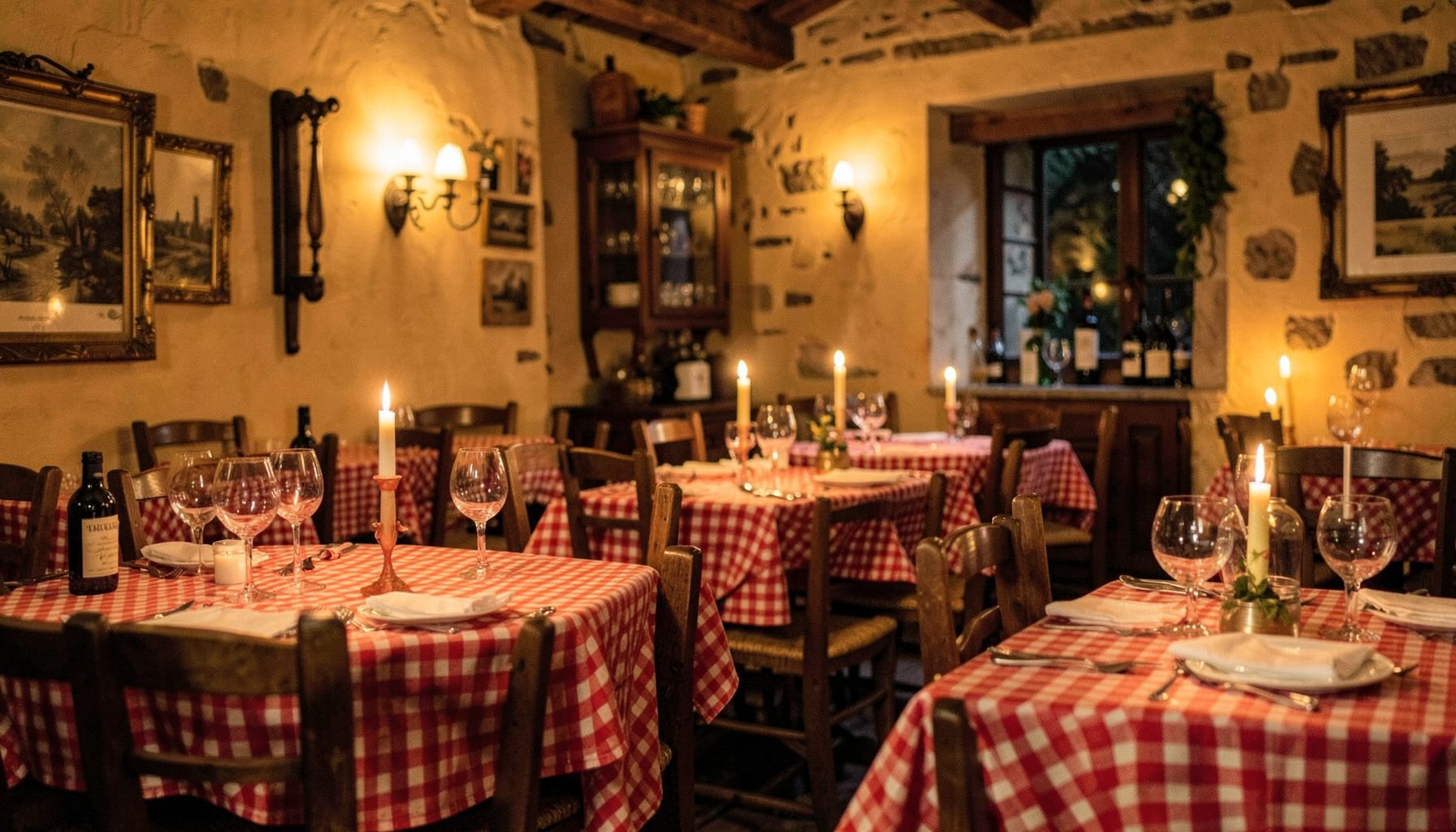
The same principle guides the atmosphere at Taverna Santi, where rustic hospitality, seasonal suppers, tastings and chef-led demonstrations create space for food to be understood as well as enjoyed. The restaurant’s culinary history reflects the value of traditional methods, local relationships and thoughtful cooking.
Simple Combinations Worth Trying
A few reliable pairings make it easy to build a bruschetta platter without overcomplicating the preparation. Aim for one fresh topping, one creamy or earthy option and one richer choice. This creates variety in colour, texture and flavour while keeping every ingredient recognisable.
Use quality bread and toppings at their peak rather than adding too many garnishes. The most successful combinations often contain four or five main elements, with herbs, oil and seasoning doing the supporting work.
Combinations For A Seasonal Platter
- Chopped ripe tomatoes, basil, garlic, extra-virgin olive oil and flaky sea salt
- Cannellini beans, rosemary, lemon zest, cracked pepper and shaved pecorino
- Roasted pumpkin, whipped ricotta, sage and a drizzle of honey
- Grilled mushrooms, parsley, garlic and a small splash of balsamic vinegar
- Crushed peas, mint, goat’s cheese and thinly sliced radish
When serving a group, toast the bread in batches and arrange the toppings in small bowls. Guests can assemble each piece just before eating, preserving the crisp texture. It is a relaxed format for an Australian lunch, a vineyard gathering in the Yarra Valley or a late afternoon meal after a visit to a local farmers’ market.
Bruschetta’s enduring appeal comes from its clarity. Good bread, honest seasoning and ingredients connected to the season are enough to make a dish feel generous. Its tradition lives in the technique, while its toppings can change with the garden, the market and the people gathered around the table.