Hand-rolled cavatelli: a Sonoma class preview
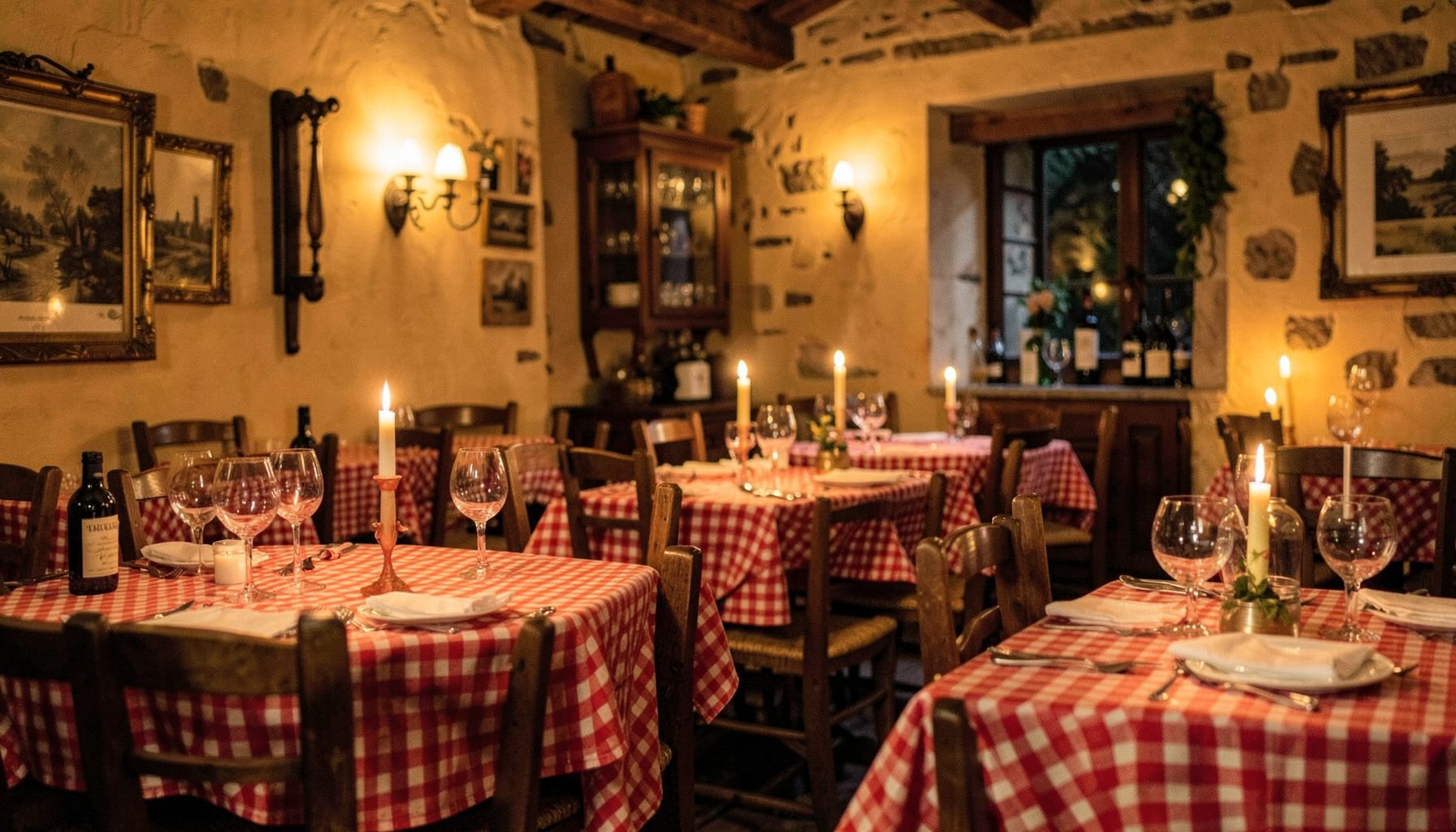
At Taverna Santi in Geyserville, Sonoma County, a hands-on pasta class begins with something deceptively simple: flour, eggs and a pair of hands. The rustic room suits the work, which is physical, precise and quietly absorbing. This preview follows hand-rolled cavatelli, the small Italian pasta whose ridged surface gives sauce something to cling to.
Cavatelli are short, slightly cupped shapes rather than long strands. A tender centre meets a lightly textured edge, and the familiar fork method creates the grooves that define the pasta. The important tools are modest: a rolling pin, a bench scraper and a fork used with control.
The class sits within Taverna Santi's wider approach to Italian cooking: seasonal produce, handmade pasta, wood-fired dishes and regional wines. It shows how restaurant care begins before service, in the handling of dough and the respectful use of ingredients. Every sheet, rest and adjustment reveals why technique matters.
A useful preview explains what participants will feel as much as what they will make. The session moves from mixing and resting to rolling, cutting and shaping, with the chef guiding pressure, thickness and consistency. It is an intimate lesson in attention, not a race for identical pieces; differences become useful clues.
The shape of a good cavatelli
Shape is the quickest way to understand the technique. A long strip of dough is rolled thin, cut into manageable lengths, then worked against a fork or grooved tool. Pressure gathers the pasta into ridges, while a thumb curves it into a shallow cup. The finished piece should feel substantial without turning dense or tearing at the edges.
The local setting adds meaning: Taverna Santi's history places this modest pasta within a tradition of rustic hospitality and shared meals. It is food designed for attention but not ceremony: small, expressive pieces that reward a bowl of sauce, a glass of wine and time spent at the table.
Why the rolling table matters
The rolling table is the instructor's most important tool. A lightly floured surface prevents sticking, but the flour should be used sparingly so the dough is not left dry. Working in small portions keeps the sheet manageable and gives the hands a chance to learn the dough's resistance.
Even pressure matters more than speed. A patchy sheet produces ridges of different depths, while a strip cut too quickly can compress before it is shaped. The chef can compare thickness by touch, then show how a light dusting of flour and a relaxed grip preserve elasticity. This is where a home cook's intuition often changes fastest.
Reading the dough
Dough is read through touch before it is judged by a timer. Mix the flour and eggs until the mass comes together, knead until it is smooth and elastic, then cover it and let it rest. Resting relaxes gluten and gives the dough a silkier pull when it meets the rolling pin. The surface should feel alive rather than tacky.
Recipes vary by region and household: some favour a fine flour, others include semolina or a little water. The right combination is the one that holds together, rolls without springing back and accepts shaping. Good sourcing also matters. Eggs, herbs and vegetables can come from local farmers, while careful dough handling reduces waste before a single pasta shape reaches the pot.
A class built around touch and timing
A chef-led demonstration makes the sequence easier to understand. The chef first shows how to roll and turn the dough, then how to cut strips and draw them over a fork. Participants work beside the demonstration, repeating the motion with their own small batch. The repeated pressure of the hand is the lesson; polished decoration is not the goal.
Timing gives the technique its rhythm. The dough needs time to relax, the sheet needs to stay workable, and the shaped pieces should not wait indefinitely before cooking. Participants learn to judge those stages by texture rather than by rigid instructions. A covered tray, a clean tea towel and a bowl of semolina or flour help keep the work steady.
That balance of craft and hospitality is visible in restaurants beyond Sonoma. At Blue Evolution NYC, the New York setting provides a useful counterpoint, showing how Italian pasta traditions can sit comfortably inside a distinct local identity. The comparison reinforces the point: a regional dish remains convincing when its technique is understood, not merely copied.
Australian kitchens and the shared table
Although the class is based in Sonoma, its lessons translate easily to Australian kitchens. In Sydney and Melbourne, dinner often means a shared table, a relaxed weekend lunch or a batch of pasta cooked for friends rather than a formal performance. Australian kitchens are also accustomed to metric measures, so weighing flour and dividing dough by weight feels natural at a bench.
Seasonal shopping has a familiar Australian parallel. At farmers' markets and independent grocers, cooks can build a meal around herbs, vegetables and fruit that are plentiful at the time. Summer brings tomatoes, capsicum and zucchini, whereas a Geyserville winter may favour brassicas, citrus and winter greens. That difference in season is a useful lesson: the shape stays the same, while the plate changes.
Food handling is another local reality, especially for anyone turning a class into a home habit or a small food business. Australian food law, including Food Standards Australia and New Zealand requirements, guides allergen information, clean handling and the control of raw eggs and flour. Washing hands, separating allergens and keeping the work surface orderly are simple practices, but they make the class's craft safe to carry beyond the kitchen.
The essential class kit
Before the first sheet is rolled, the worktable should feel ready rather than crowded. A scale, a floured bench, a covered bowl and a scraper make the process legible. The class benefits from having the same tools and visible ingredients at every station, so differences in the dough can be discussed rather than hidden.
The dough
- Sifted flour with enough protein to hold a ridge
- Eggs, preferably at room temperature
- A measured splash of water for a softer dough
- Fine salt and a little extra flour for the bench
The shaping sequence
- Rest the dough until it relaxes
- Roll it into an even, thin sheet
- Cut neat strips with a bench scraper
- Drag each strip over a fork and curve it
The compact list is useful because cavatelli rewards consistency more than elaborate ingredients. If a sheet tears, the class can identify whether the dough needed more rest or less flour; if ridges vary, the cut can be checked before the fork is used. That diagnosis is the beginning of a reliable workflow, and it keeps a small batch from becoming a pile of scraps.
The lasting lesson of a pasta class
The lasting lesson is a transferable one: learn the dough, then let the hands do less thinking. Once the sheet is even, the fork and thumb can work quickly, with the chef nearby to correct pressure and spacing. Back in an Australian kitchen, the same sequence can produce a weeknight bowl, a larger family meal or a sauce designed for whatever the market has offered.
At Taverna Santi, that practical craft fits naturally alongside seasonal suppers, tastings, private events and chef-led demonstrations. The atmosphere is intimate because the work is intimate. What remains after the class is not a stack of identical souvenirs, but an understanding of how flour, timing and touch can turn a simple piece of pasta into something worth sharing.