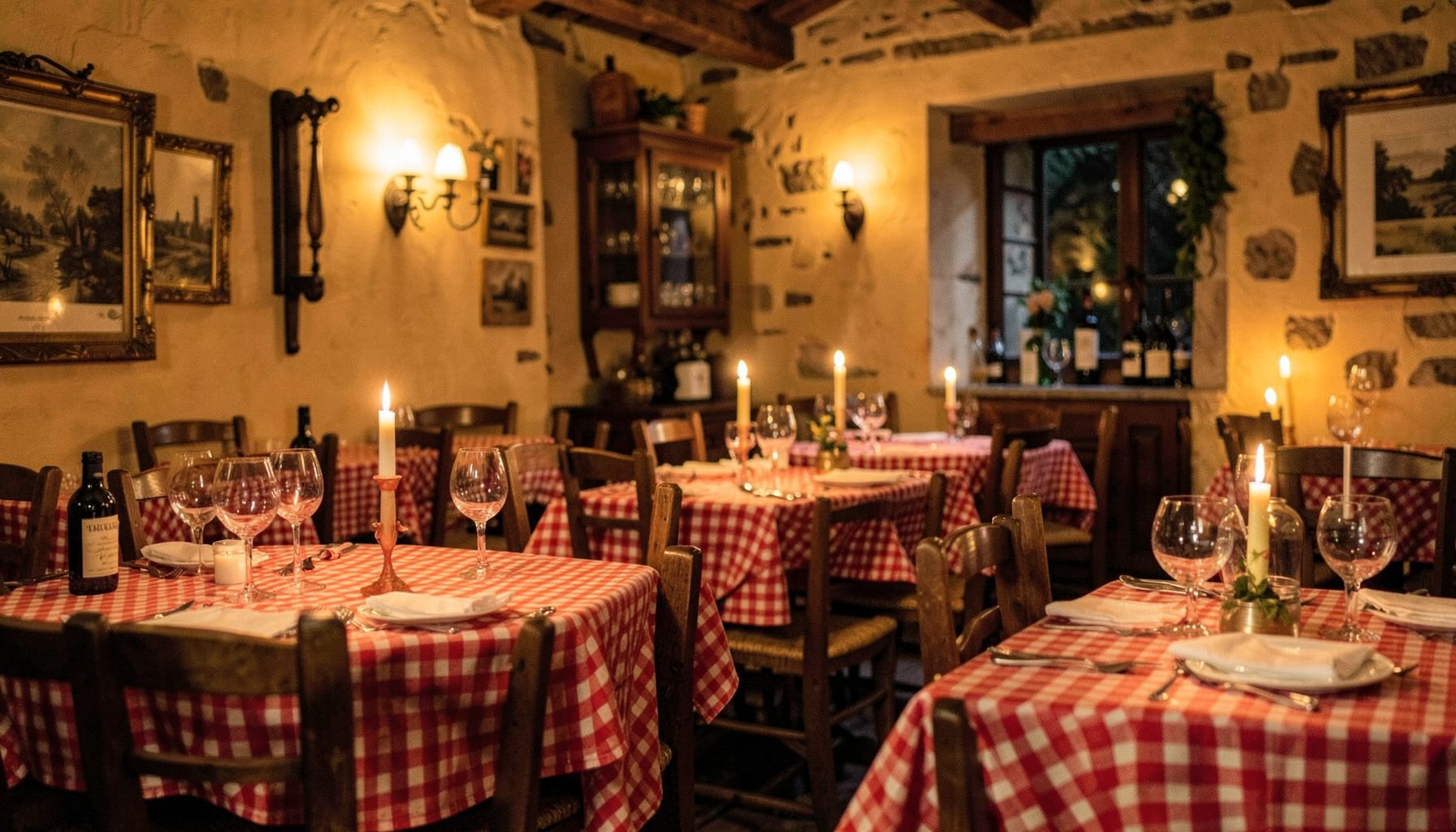
The story of our herb garden: from seed to plate
At Taverna Santi, the herb garden is one of the quietest members of our kitchen team. It does not arrive with a delivery docket or a label from a distant supplier. It begins with a seed, a patch of soil, careful watering and the patience to wait until a leaf has developed its full fragrance.
Our garden reflects the way we cook in Geyserville: seasonally, thoughtfully and with respect for the farmers and landscapes around us. Fresh herbs connect the rustic simplicity of Italian cooking with the produce of Sonoma County, bringing brightness to handmade pasta, wood-fired dishes, vegetables and regional wines.
For guests joining us from Australia, the rhythm may feel familiar but slightly reversed. When Melbourne or Sydney is enjoying spring, our garden may be moving into autumn, and the herbs that flourish during an Australian summer are guided by a different calendar here. The principle remains the same: use what is growing well, harvest it at its best and let each ingredient speak clearly.
Why a small garden matters
A culinary herb garden does more than provide a convenient supply of basil or rosemary. It gives our chefs a daily understanding of flavour, weather and growth. A plant that receives morning sun develops differently from one in a shaded corner, while a warm afternoon can intensify the aroma of thyme, sage or oregano.
That awareness shapes our menus. Instead of building dishes around a fixed list of ingredients, we look at what is ready in the garden and consider where it belongs. Tender leaves may finish a plate of pasta, flowering herbs may season a salad, and sturdy stems can lend depth to a broth or sauce.
Choosing seeds and planting companions
Our garden starts with varieties selected for flavour, resilience and usefulness in the kitchen. Genovese basil is grown for its sweet, peppery perfume, while parsley, fennel fronds, marjoram and chives provide freshness across many preparations. Woody herbs such as rosemary and sage offer a deeper character that works beautifully with roasting and fire.
Companion planting helps the garden stay productive without relying on a single crop. Different plants occupy different layers of soil and canopy, while flowers attract pollinators. We also pay attention to water use, especially during dry periods when responsible irrigation matters in Sonoma County. The garden is small, but its lessons are broad: good cooking begins with thoughtful stewardship.
Working with the seasons
Spring brings delicate growth and the first bright leaves. Basil is watched carefully, parsley thickens into generous bunches, and young chervil or dill can add a fine, almost floral note. As the days lengthen, the garden becomes more abundant, matching the lighter flavours that suit the season.
Summer is the time of greatest intensity. Leaves are harvested early, before the heat of the day can soften their texture or diminish their aroma. In Australia, cooks know this routine well from hot January mornings and visits to local farmers’ markets, where produce is often at its best before midday. Our approach is similar, even though our calendar falls in different months.
Harvesting at the right moment
The best time to pick an herb depends on its purpose. Basil leaves are most fragrant just before flowering, while rosemary and thyme can be gathered as needed from established stems. Parsley is cut close to the base so the plant can produce fresh shoots, and flowers are collected sparingly for both appearance and flavour.
Every harvest comes directly into the kitchen, where it is sorted by hand. Leaves that will be served raw are treated gently, while tougher stems may be saved for stocks, infused oils or sauces. This careful use helps us reduce waste and honours the time invested by the plant, the gardener and the soil.
From garden basket to preparation bench
Once picked, herbs are rinsed only when necessary and stored in a way that protects their texture. Some are kept cool with their stems in water; others are wrapped loosely so they can breathe. Timing matters because the distance between garden and plate is short, and we want that freshness to remain evident.
A handful of torn basil can lift a tomato dish without overwhelming it. Chopped parsley may bring balance to a rich braise, while sage can perfume butter for pasta or complement a wood-fired vegetable. These are simple gestures, yet they create the layered flavour associated with regional Italian cooking.
Herbs across pasta, fire and wine
Italian cuisine has always been shaped by local plants and practical techniques. A herb may be folded into a dough, scattered over a finished plate or steeped in a sauce. The shape of the pasta also influences how the herb is experienced; broad ribbons hold a glossy sauce differently from small, ridged forms. Our exploration of this relationship continues through pasta shape history, from orecchiette to pappardelle.
Wood fire adds another dimension. Rosemary and bay can scent vegetables as they roast, while oregano and marjoram bring a Mediterranean lift to grilled dishes. With a glass of Sonoma wine beside the plate, fresh herbs help connect the warmth of the cooking process with the character of the surrounding landscape.
Bringing the garden to the table
The garden also plays a part in celebrations at Taverna Santi. For a private supper, tasting or chef-led demonstration, guests may see herbs being gathered, prepared and used within the same service. A sprig of flowering thyme or a bowl of freshly picked basil offers a more immediate sense of place than a decorative arrangement ever could.
For couples planning a celebration, food is part of the atmosphere as much as the menu. Practical details such as timing, shared courses and service style can be considered alongside wedding reception planning, especially when a gathering includes a full meal. Our garden contributes small, seasonal details that make a long lunch or evening feast feel personal.
Keeping the harvest useful
Good garden practice continues after the harvest. We select quantities carefully, preserve surplus when appropriate and use stems or less showy leaves in kitchen preparations. This approach reflects a wider commitment to sustainability, from working with local farmers to choosing ingredients that suit the season rather than forcing availability.
Simple habits help every bunch contribute fully:
- Pick herbs in the cool part of the day for better texture and fragrance.
- Match delicate leaves with fresh dishes and robust herbs with roasting or braising.
- Store each variety according to its needs instead of treating all herbs alike.
- Use stems, flowers and surplus leaves in stocks, oils, sauces or garnishes.
- Keep planting notes so the next season can be planned around what grew best.
The garden will continue to change with the weather, the soil and the menu. Some plants will thrive, others will need replacing, and new varieties will earn a place beside familiar favourites. That ongoing cycle is part of the pleasure: a seed becomes a leaf, a leaf becomes an ingredient, and an ingredient becomes part of a meal shared around the table.