The secret to a perfectly charred eggplant on the grill
The secret to a perfectly charred eggplant on the grill is control, not brute force. The surface needs brief, intense heat to brown and blister, followed by gentler cooking so the flesh turns creamy without becoming dry. Get that sequence right and aubergine becomes rich, smoky and surprisingly meaty.
Australians know the vegetable by both names: aubergine is the standard supermarket word, while eggplant is common at greengrocers and farmers’ markets. It is a familiar companion to the weekend barbecue, often sharing the grill with steak, sausages and capsicum after the meat has rested.
The tricky part is moisture. Cut too shallowly and the skin wrinkles; leave it over a fierce flame too long and the sugars scorch before the centre softens. A two-zone fire, a short sear and a covered finish make the result dependable on gas or charcoal.
Why eggplant chars before it softens
Charred eggplant shows what heat can do to food. Once the surface is dry, browning and caramelisation develop toasted savoury flavours, while the flesh softens into a custard-like texture. The purple skin adds colour and helps the eggplant hold its shape.
Water works against browning. Eggplant releases moisture as its cells collapse, lowering the temperature of the cooking surface. A crowded grill compounds the problem because steam surrounds each slice. The aim is not to char every surface for the same length of time, but to create dry heat first and use the rest of the barbecue gently.
There is also a fine line between char and carbon. Deep mahogany patches and a blistering skin add depth; soot-black, papery areas taste bitter and should be trimmed away. Ideally, the outside carries the smoky note while the centre remains mild, sweet and spoon-soft.
Choosing and preparing the right aubergine
Choose an aubergine that feels heavy for its size and has smooth, taut skin. Small and medium fruits cook more evenly than very large ones, while a pale, dull surface usually signals dryness or bruising. At Australian farmers’ markets, look for seasonal local growers and ask when the fruit was picked; the glossier it is, the more moisture it will retain.
A useful shop test is to press the skin gently: it should spring back with only a slight give. Avoid fruits with soft hollows, split stems or wrinkled sides. Supermarkets may offer smaller globe or Italian varieties, but appearance still matters more than the label.
Preparation takes only a few minutes. Trim the stem, but leave the skin on. Cut the eggplant into thick, lengthwise halves or 3-centimetre rounds, then score the exposed flesh in a shallow diamond pattern about 1 centimetre deep. Those channels increase the surface area and help oil and smoke reach the flesh.
Brush both cut surfaces lightly with oil just before cooking. Season close to grilling rather than salting hours ahead, because salt draws out water and a damp exterior can steam before it browns. Use a thin sheen, not a pool; excess fat can flare before the vegetable is ready.
Building a fire that works in two zones
Set up two heat zones. With gas, use one burner for searing and turn another down low, leaving a broad section of the grate away from direct flame. With charcoal, push the coals to one side and let the opposite side settle into indirect heat. The barbecue lid can stay open during the first stage.
This arrangement reflects familiar Australian barbecue habits and removes much of the guesswork. A backyard gas grill in Sydney may face humid coastal air; a charcoal fire in Brisbane can change quickly in warm weather; dry conditions in Adelaide or inland Australia can make flare-ups more likely. Wind and fuel matter more than a recipe’s stated time.
For flavour, charcoal or a small amount of clean hardwood gives a deeper background note than gas. Use only dry wood suitable for cooking, never painted timber or resinous offcuts. Before lighting a charcoal or wood fire, check state fire-danger notices and local council restrictions, which can prohibit open fires during hot, dry or windy periods.
Keep water nearby for stray flames without dousing the entire fire. Long tongs, a heatproof board and adequate space between the eggplant pieces will help everything brown rather than steam.
The step-by-step method for even charring
Place the eggplant cut-side down on the hottest part of the grate. Press gently for the first few seconds so the flesh makes full contact, then leave it alone. Moving it too soon tears the surface and ruins the clean browning. Cook undisturbed for about three to four minutes, adjusting for the intensity of your grill and the thickness of the slices.
The first signs are glossy edges, deepening brown patches and a faint blister. When the browning is even, move the eggplant carefully to the cooler zone rather than leaving it over direct heat simply to darken it. Close the lid and cook there for eight to twelve minutes, depending on size. This brief period of trapped steam softens the centre while preserving the seared exterior.
If the eggplant is thick, give it another five minutes. It is ready when a knife enters with little resistance, the interior is pale and creamy, and the skin has collapsed slightly around the flesh. Test one piece rather than cutting every slice; overcooking is easy once the sugars at the edge darken.
For a cleaner finish, uncover the grill for the final minute or two so moisture can escape. Brush away loose blackened fragments, but keep the mahogany blisters that smell toasted rather than acrid. Rest the pieces for three minutes before serving so their juices settle.
A practical barbecue checklist
A short checklist helps when the barbecue is busy and the charcoal is already glowing. Exact quantities matter less than the order of operations and control of heat.
Before the flame is lit, check each of these points:
- Select a firm, glossy aubergine that fits the available grill space.
- Cut 3-centimetre rounds or thick halves, score to 1 centimetre and coat lightly with oil.
- Create hot and cool zones before placing any food on the grate.
- Keep tongs, a heatproof board and water close at hand.
At the grate, work through these cues:
- Sear cut-side down without moving for three to four minutes.
- Watch for glossy edges and deep brown patches rather than chasing black colour.
- Move to indirect heat, cover and cook until the knife slides easily.
- Rest for three minutes, trim carbonised spots and season with flaky salt.
For commercial kitchens, state and territory food legislation and national standards from Food Standards Australia New Zealand apply. Keep raw produce separate from ready-to-eat food, use clean boards and utensils, and do not let cut eggplant sit at ambient temperature during a long event. Refrigerate leftovers promptly and use them within two to three days.
Serving the result with an Italian accent
In an Italian kitchen, grilled eggplant is less about treating it as meat and more about giving a seasonal vegetable a beautiful surface. Serve it over pasta with tomato, garlic and basil; fold it into vegetable-packed risotto; or spoon it over grilled bread with ricotta, lemon and herbs. Smoky flesh works especially well with beans, herbs and sharp vinegar.
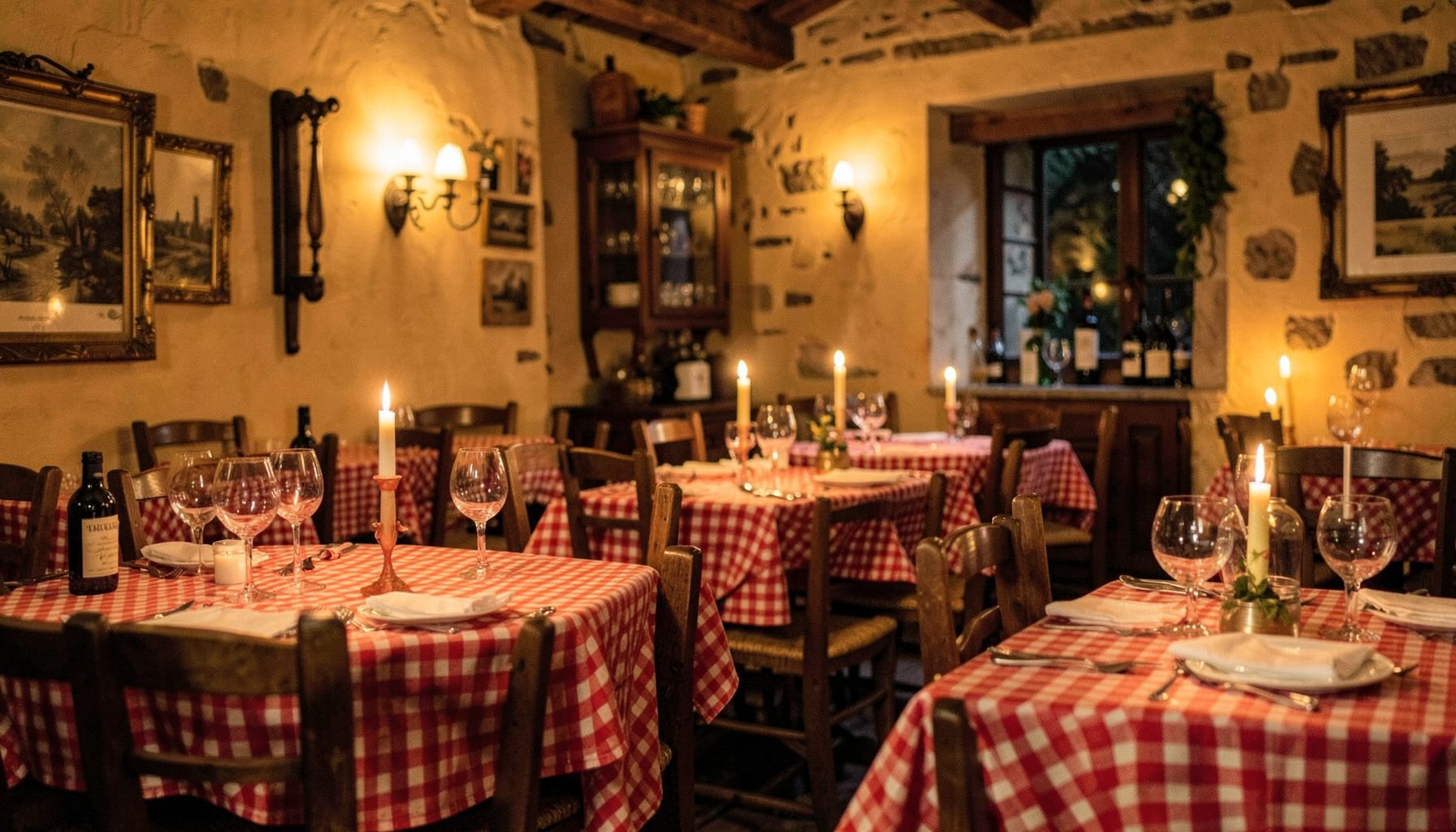
Across the Pacific, the Italian restaurant Taverna Santi in Geyserville demonstrates a seasonal, ingredient-led philosophy. Its wood-fired dishes and regional wines show how careful charring can complement produce rather than disguise it: the goal is a savoury accent that lets the ingredient remain recognisable.
For Australian tables, pair the aubergine with whatever is abundant locally: roast capsicum and zucchini from a summer market, tender greens in spring, or vine tomatoes when they arrive. Local wine with lifted acidity balances the oil and smoke, while a crisp green salad restores freshness.
Leftovers can become a caponata-style relish with onion, celery and herbs, or be mixed through cooked pasta the next day. Refrigerate them promptly and use within two to three days. The best plate keeps contrast: dark edges, a tender centre, fresh herbs and enough acidity to keep each bite vivid.