The science of dough: achieving the perfect pizza crust
Pizza dough looks deceptively simple, yet its final texture is decided by a chain of small choices: flour proteins, water, salt, fermentation, shaping and heat. Each variable changes the structure that the oven must set. A thin rim, tender centre and blistered base are not accidents; they are the visible result of dough chemistry working in balance.
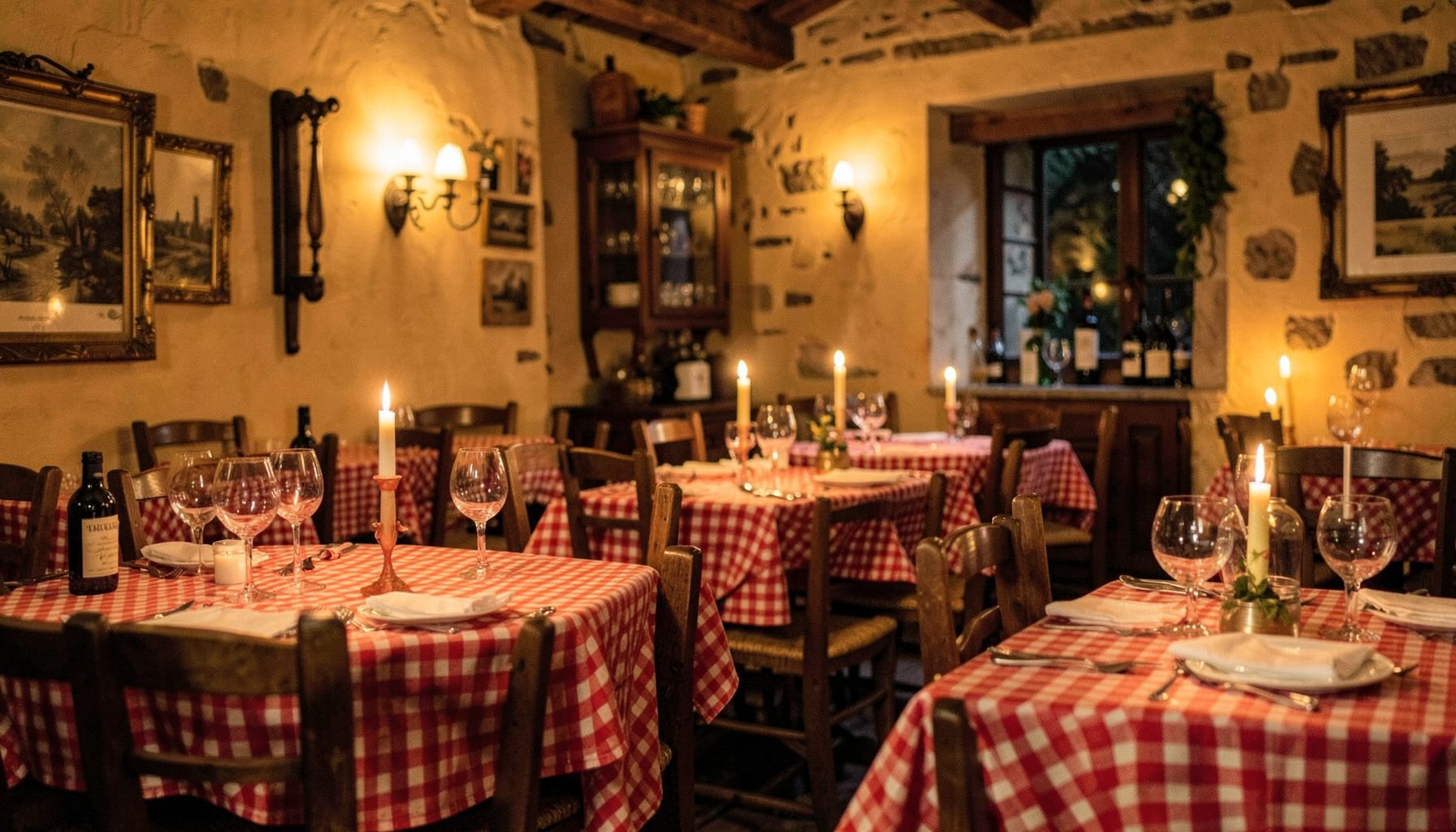
At Taverna Santi in Geyserville, that balance fits our wider approach to Italian cooking: traditional technique, seasonal produce and ingredients chosen with care. In the wood-fired kitchen, a well-made base carries the character of the vegetables, herbs and cheese placed upon it. The crust should complement the whole plate rather than compete with it.
For Australian cooks, the same principles meet a distinctive pantry and climate. Bread flour sits beside lower-protein flours on supermarket shelves, specialist mills sell more precise options, and kitchen scales usually report grams rather than ounces. Summer heat can accelerate a dough while Sydney winters can slow it, so copied timings from another hemisphere are only a starting point.
“Perfect” should therefore describe the intended pizza. A Roman-style base may need enough hydration to stay supple and crisp, while a thicker, slow-fermented dough benefits from stronger structure and a longer bake. The right formula is the one that responds predictably at shaping and produces the flavour and texture you want.
Flour, water and the gluten network
Flour supplies the proteins gliadin and glutenin, which form the elastic gluten network when flour meets water. Gliadin helps a dough stretch; glutenin gives it strength and shape retention. Yeast produces gas, but the gluten network traps that gas. If the network is weak or poorly organised, the dough spreads, leaks or tears instead of supporting a raised rim.
Hydration is the weight of water divided by the weight of flour, not a universal recipe setting. For many pizza bases, roughly 60–70 per cent gives a workable beginning, though a denser or older flour may absorb less and a weak flour may absorb more. Water temperature matters too, but final dough condition matters more than a number copied without testing.
Salt slows yeast activity and tightens the dough; excess makes it tough and suppresses extensibility. Oil can tenderise the crumb, but adding too much before the gluten develops can coat the proteins and hinder bonding. Stone-milled flour usually offers stronger aroma and more bran, which can improve flavour while making the dough less elastic. Kneading should develop continuity, not force every flour into the same texture.
Fermentation builds flavour and structure
Fermentation is both a factory and a seasoning process. Yeast converts available sugars into carbon dioxide and other compounds, while resident microbes can contribute acids and aromatic complexity. During a long, cool rise, the dough becomes easier to handle and more flavourful. Speed alone is not the goal: warmth can produce gas quickly before the gluten is ready to retain it.
A dependable dough record can track the few variables that explain changes between batches. The flour blend and its protein content require close attention, alongside water quantities, temperature levels, fermentation times, and specific baking parameters. Tracking the precise water in grams for each kilogram of flour, the bulk and room temperatures, and the total elapsed time establishes a baseline for the dough. Recording the exact amounts of salt and yeast, the designated resting periods, and the final baking temperature completes this comprehensive baseline to identify deviations in future batches.
A basic lean dough may need only a short rest, while a richer or higher-hydration dough often rewards several hours in the refrigerator. Cold fermentation slows yeast and lets time do some structural work. An unattended rise at room temperature can turn supple dough into a sticky mass; an overnight delay can also leave it dense if the original inoculation was excessive.
Temperature and handling control the final rise
Dough temperature links fermentation speed with the elasticity of the gluten network. A bulk temperature near 23–26°C is a practical target for many controlled pizza processes, but ambient conditions and the desired schedule should guide the adjustment. In Brisbane or Darwin, cool water and shorter rests may prevent over-fermentation; in a cooler Melbourne or Sydney winter, a longer rise may be useful.
Mixing should bring the dough to a cohesive, slightly aerated mass. Gentle stretching after a short bench rest preserves gas cells better than forceful rolling. Keep the centre of the dough thinner than the rim, where retained air can inflate, and dust the work surface sparingly. Parchment can help an untamed dough slide onto a hot deck without flattening its structure.
Handling becomes gentler as fermentation continues. A dough that spreads immediately may be over-hydrated, underdeveloped or over-proofed; one that springs back may need more time. Those diagnoses are only clues, not verdicts, because flour and ambient conditions alter the evidence. Watching the dough’s surface and response to pressure is more reliable than blindly following a clock.
Baking sets structure, moisture and flavour
Heat first expands trapped gas and water vapour, giving the dough oven spring. Starches then gelatinise and gluten proteins set, so the base becomes rigid and can hold its shape. Drying and surface browning create toastier notes through the Maillard reaction. The first minutes determine whether the centre stays supple or dries like a biscuit.
A home deck or pizza stone can produce excellent results at a well-preheated 250–300°C, adjusted for the oven and style. Fan-forced settings common in Australian kitchens can dry the base, especially near the top element, so a fully preheated stone or steel and a moderate temperature give the crust more time to set rather than scorch. A wood-fired oven reaches heat quickly and finishes with intense radiant browning.
Toppings can undo good dough. A watery tomato purée, undrained vegetables or a heavy layer of cheese releases moisture into the base. Using a thin sauce, pre-cooking watery produce and leaving exposed dough at the rim gives the oven a better chance to crisp it. In Geyserville, vegetables suited to the season bring sharper flavour and less water than ingredients at the edge of their peak.
Australian sourcing and responsible dough
Australian pizza makers can choose from widely stocked supermarket flour at Woolworths and Coles, boutique mills and imported Italian-style flour. Protein content, milling and freshness vary enough to change handling, so a reliable base formula is worth keeping. Most home bakers work in metric units and Celsius, yet many recipes still use volume, percentages and timings inherited from other kitchens. Converting measurements is useful only when the method remains consistent.
Four practical checks reveal whether a batch needs attention. A spreading dough may need stronger flour, less water or more development, whereas torn edges often indicate dryness, short gluten development or an overly warm proof. Furthermore, a collapsed centre can signal over-fermentation or handling that drove out too much gas. Finally, a pale top with a raw base points directly to uneven heat or incomplete preheating.
Wheat also shapes the restaurant’s responsibilities, not just its flavour. Packaged flour and pizza bases sold in Australia must comply with Food Standards Australia and New Zealand allergen-labelling rules, including a wheat declaration where applicable. Commercial kitchens must also meet applicable state and council food-safety requirements. Long fermentation can create deeper, less sweet flavours, but it does not remove wheat gluten or make the dough suitable for coeliac diners.
At Taverna Santi, local sourcing respects soil and season while shaping the plate around the dough: seasonal vegetables, carefully chosen cheeses, regional wines and rustic service that lets the ingredients speak clearly. The same care carries into private celebrations, tastings and chef-led demonstrations, where fermentation becomes both craft and shared experience. Whether a batch is baked in Sonoma County or a Melbourne apartment, the best crust comes from informed observation, repeatable methods and respect for the ingredient.