The role of salt in Italian cooking: sea salt to fleur de sel
Salt is one of the most consequential ingredients in an Italian kitchen. It sharpens herbs and tomatoes, balances the richness of olive oil, firms pasta dough, helps vegetables caramelise, and preserves fish, meat and vegetables for the pantry. Used well, it does not announce itself; it makes the ingredients taste more complete.
Along Italy’s coastlines, salt has been made from seawater for centuries, producing everything from fine cooking salt to broad, crunchy flakes. Fleur de sel, the delicate crust harvested during evaporation, brings another texture and a different kind of concentration. Understanding the role of salt in Italian cooking is largely a question of matching these strengths to the dish.
Australian home kitchens already have the essential tools: fine salt for general seasoning and flaky or coarse varieties for finishing are easy to find at Coles and Woolworths, while specialist food markets offer more regional choices. The important distinction is not simply expensive versus inexpensive, but how quickly a salt dissolves, how strongly it flavours, and when its texture should be noticed.
This matters whether you are making a simple bowl of spaghetti or planning a long Sunday lunch. Italian restaurants in Sydney and Melbourne often welcome BYO wine, and summer barbecues across Australia bring seafood and salad to the table; in both settings, restrained seasoning leaves room for the food, the wine and the company.
Why salt matters in Italian cooking
Salt does more than make food taste salty. In a well-made broth or sauce, it sharpens aroma, balances richness and helps ingredients taste more like themselves. It can soften the bitterness of greens, clarify the perception of sweetness in tomatoes and bring out the character of herbs. Italian cooks speak of salare, seasoning with salt, as an active part of building flavour rather than a final correction.
It also changes texture. Salt strengthens the protein structure of dough, helping pasta hold its shape and giving bread a firmer crumb. In vegetable cooking, it can draw out surface moisture before grilling or roasting. Too much works against tenderness, however, making dough tight and leaving a cooked dish demanding rather than harmonious. The useful skill is adjusting salt while the food is still being cooked.
Preservation gives salt an equally important role. Italy’s cured meats, salted fish and preserved vegetables depend on it to inhibit spoilage and create concentrated flavour. Examples include pancetta, salted anchovies, baccalà, salt-cured olives and the brine used for Castelvetrano olives. These pantry ingredients can carry the savoury depth of an entire dish, but they also demand care when added to fresh pasta, sauces or salads.
Regional salt traditions
Italy does not have one uniform salt tradition. The Adriatic, Tyrrhenian, Sicilian and Sardinian coastlines produce distinctive sea salts, shaped by local seawater, evaporation methods and harvesting customs. Italian kitchens therefore use a practical range: finely milled salt for general cooking, coarser crystals for seasoning and preparing food, and flaky or fleur de sel for the final pass.
Regional cooking adds another layer. Coarse sea salt is closely associated with seafood and preserving, while fine salt is common in sauces, breads and pasta dough. Around Trieste and along the Adriatic, salt has long been tied to fishing and seafood cookery. Sicily has a strong tradition of using salt in olive and caper preservation, and Sardinia’s relationship with salted fish and coastal products runs deep in its food culture.
Fleur de sel occupies a distinctive place among these traditions. As seawater evaporates in shallow salt pans, a thin, fragile crust forms on the surface. This is collected before the crystals sink and become ordinary sea salt. Its name comes from the French fleur de sel, meaning “flower of salt”, a description of those small, delicate flakes. They offer a light crunch and often seem less aggressively salty than dense table crystals, making a very small quantity sufficient.
Choosing sea salt and fleur de sel
Fine sea salt is the versatile choice for everyday Italian cooking. Its small crystals disperse readily in sauces, dressings and pasta water. Coarse sea salt or flaky salt works best when added close to serving, where its texture becomes part of the dish. Using a finishing salt does not mean using more; a light pinch can provide both seasoning and a noticeable texture.
Fleur de sel is particularly good with seafood, tomatoes, grilled vegetables and fresh cheese. Because the crystals are irregular and relatively delicate, they are usually reserved for the plate rather than the pan. They are also commonly sold at a higher price because the harvest is small and much of the work is done by hand. A practical substitute for everyday use is a good flaky salt, although the texture and flavour will not be identical.
Read labels with care. “Sea salt” identifies an origin and a production method, not a precise level of intensity, while the term “fleur de sel” describes a particular type of harvested crystal. An Australian pantry can cover most needs with one dependable fine salt and one finishing salt. Adelaide Central Market is a convenient place to compare styles and ask questions, while ordinary supermarkets are perfectly adequate for the core ingredients of an Italian kitchen.
Using salt in pasta, vegetables and wood-fired cooking
Pasta water needs salt, but proportion matters. Bring a large pot of water to a rolling boil before adding the pasta, and season the water until it tastes clearly salted rather than aggressively so. A customary starting point is around one tablespoon per litre, though pasta shape, water volume and sauce quantity all affect the result. Salt dissolves in the water, seasons the pasta itself and helps the sauce cling.
Salt in a sauce should be built up through tasting. Tomato sauce concentrates as it reduces, so a pinch added early can become much more pronounced by the end. Season the sauce, taste the cooked pasta and adjust before combining them. With vegetables, salt applied before grilling or roasting can help draw out moisture, but the final adjustment determines whether the dish feels balanced or merely salty.
Fish benefits from a controlled application of salt. A fillet of firm white fish salted lightly for ten to fifteen minutes, then rinsed and thoroughly dried, often cooks with a firmer texture and cleaner seasoning than an unsalted fillet. When choosing fish at Sydney Fish Market, ask the fishmonger about texture and origin, then salt according to how the fish will be served. Anchovies are a different matter: they dissolve into warm oil and contribute depth without leaving the dominant salty note of a whole fillet.
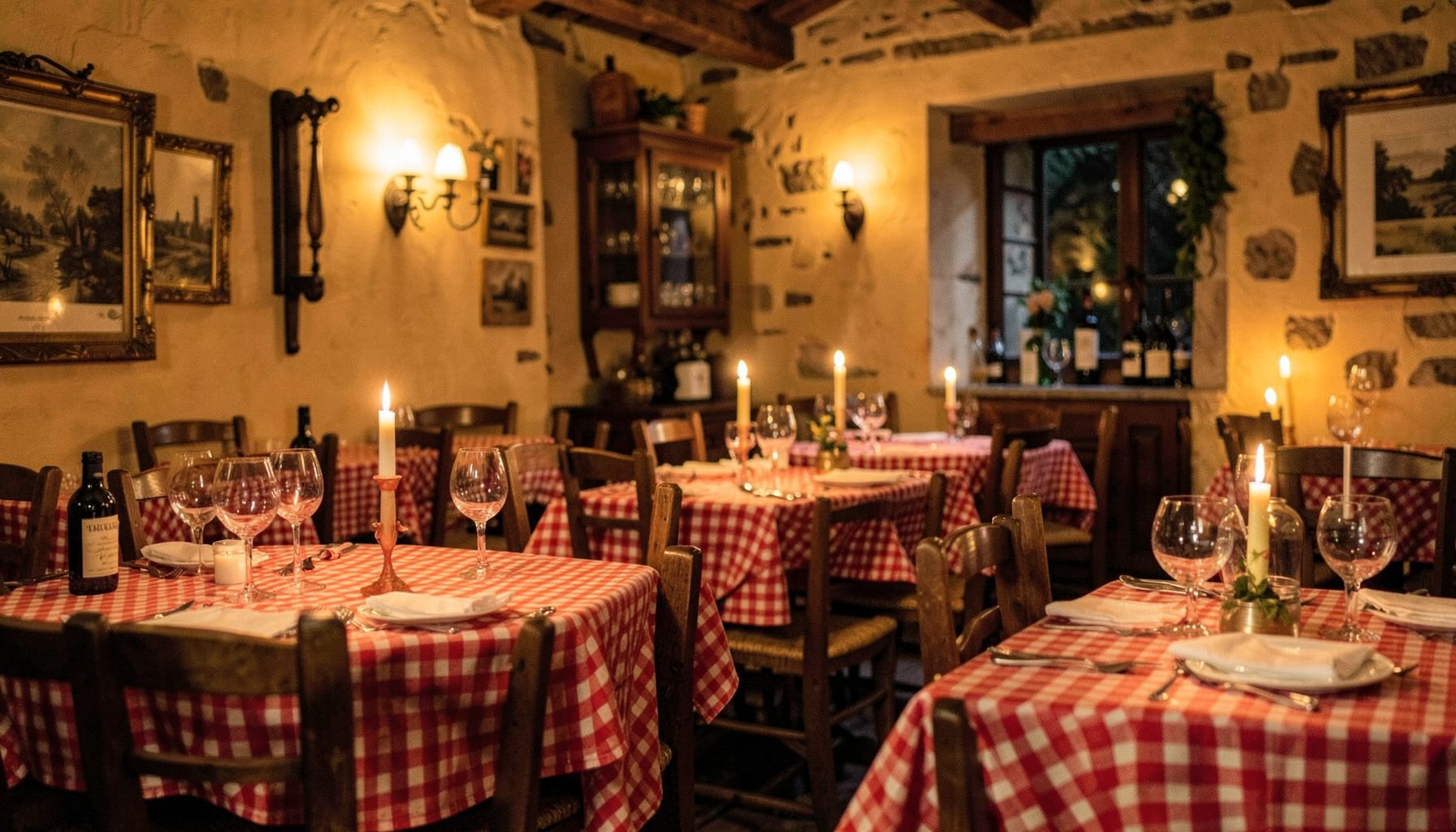
This restraint is valuable in a restaurant such as Taverna Santi in Geyserville, where handmade pasta, wood-fired dishes, vegetable-led plates and regional wines are designed to let individual ingredients speak. Salt is not poured over every plate as decoration. It is a quiet tool used throughout the kitchen, supporting the produce, the pasta and the balance of the finished dish.
Salt habits for the Australian home cook
Shopping well can make seasoning easier. At Melbourne’s Queen Victoria Market, fresh produce, cured meats and specialist ingredients can inspire a meal built around a single ingredient, making it easier to judge when salt is sufficient. Jan Power's Farmers Markets in Brisbane connects home cooks with growers, and market vegetables often carry more character than packaged produce. Their flavour does not need to be overwhelmed; a measured pinch may be all they require.
Australian dining customs also reward balance. A BYO bottle at a neighbourhood trattoria should complement the food rather than compete with excessive seasoning. At a summer barbecue, salt applied before seafood hits the grill can be balanced with lemon, vinegar or fresh herbs at the table. The same principle supports seasonal cooking: buy produce at its best, season in measured stages and leave space for acidity, aroma and texture.
- Keep two dependable salts. Use a fine salt for pasta water, sauces and dough, then choose flaky sea salt or fleur de sel for the finishing touch.
- Season in stages. Taste the sauce or broth, add a small pinch, and cook briefly before tasting again. This gives better control than relying on one large addition.
- Salt pasta water proportionately. Begin with approximately one tablespoon per litre of water, then adjust the sauce after the pasta has cooked.
- Use finishing crystals deliberately. A teaspoon of flaky salt over seafood, tomatoes or grilled vegetables can provide texture as well as flavour.
- Balance salt with acidity. Lemon, vinegar and fresh herbs soften the perception of salt while making vegetables, fish and rich sauces taste more lively.