Roasted figs with honey and ricotta for an autumn table
Autumn brings a softer kind of sweetness to the table. As the light turns golden and the evenings become cooler, ripe figs, floral honey and creamy ricotta make a dessert that feels generous without being heavy. Roasted figs with honey and ricotta rely on a few excellent ingredients rather than a long list of additions.
For Australian diners, the season arrives between March and May, when late-summer fruit is still appearing at farmers’ markets and cooler weather makes a warm dessert especially appealing. In Victoria and South Australia, figs can be found at growers’ stalls alongside pears, grapes and apples. In New South Wales, locally produced honey and fresh dairy bring a strong sense of place to the plate.
The dish is easy to adapt for a relaxed Sunday lunch, an arvo gathering or a dinner party where the main course has taken centre stage. It can be prepared quickly while guests are finishing their meal, then served with a spoonful of ricotta and a crisp biscuit or slice of toasted sourdough.
Its character comes from contrast: jammy fruit against cool cheese, fragrant honey against grassy olive oil, and a little salt to sharpen the sweetness. It is rustic enough for a country table yet polished enough for a restaurant-style dessert.
Why figs suit the autumn season
Figs become especially appealing when roasted because heat concentrates their natural sugars and softens their delicate flesh. The skin wrinkles slightly, the centres become spoonable and the small seeds add a gentle texture. Black Mission, Brown Turkey and Adriatic figs all work well, though each brings a different balance of sweetness and colour.
Choose fruit that feels tender but not collapsed, with unbroken skin and a rich, aromatic smell. Very firm figs can be left at room temperature for a day, while fully ripe ones should be used promptly. If fresh figs are unavailable, Australian dried figs can be rehydrated, although the result will be denser and more intensely sweet.
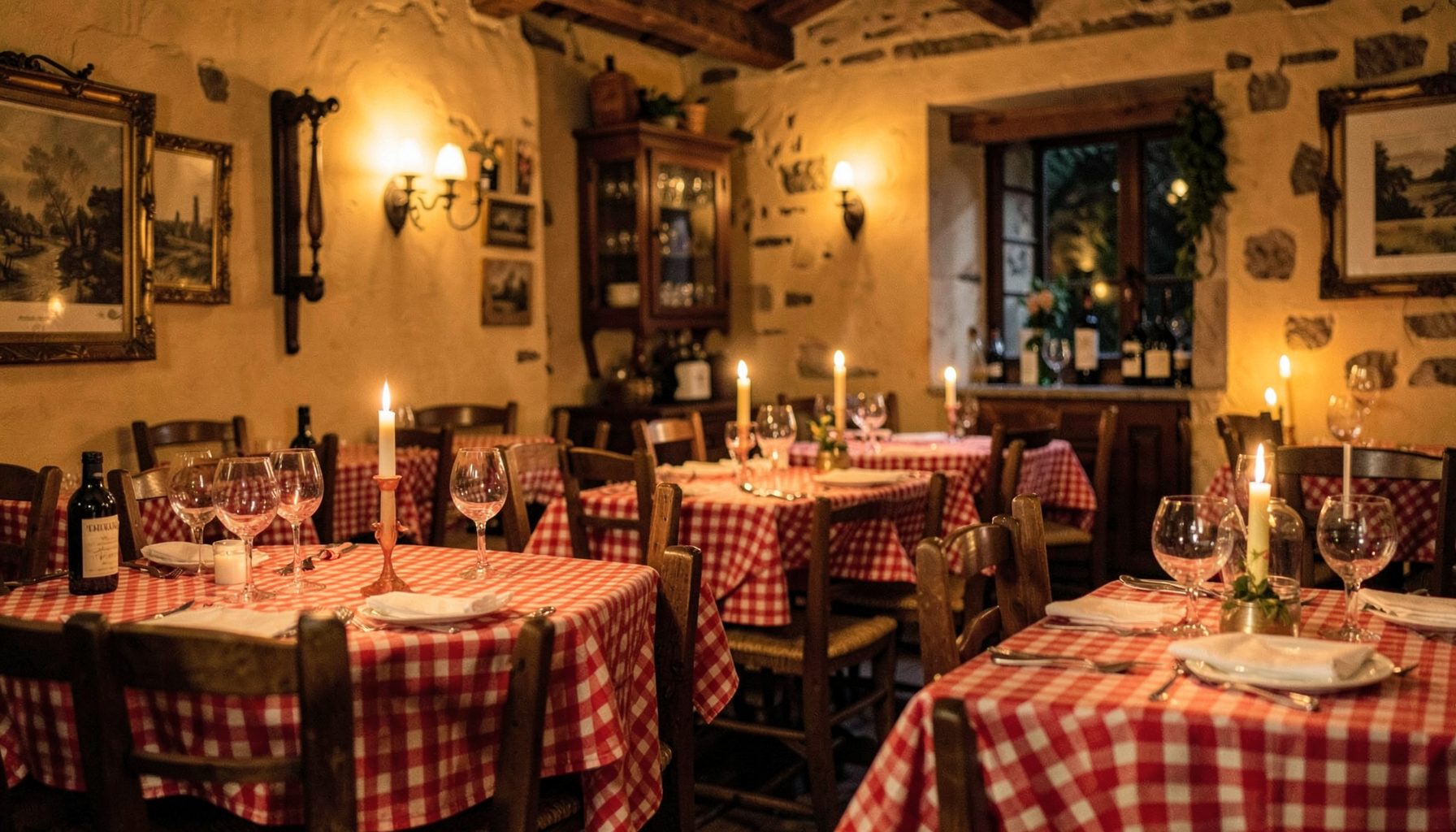
Autumn fruit also suits the broader Italian approach to dessert: use what is ripe, treat it carefully and let the ingredient carry the dish. The same thinking guides the seasonal cooking at Taverna Santi, where local produce and traditional techniques shape an intimate dining experience.
Selecting honey, ricotta and aromatic accents
Honey should add fragrance as well as sweetness. A light floral honey keeps the figs in focus, while a darker leatherwood, ironbark or manuka honey brings a more pronounced Australian character. Use a small amount at first; the fruit should taste ripe and fresh rather than coated in syrup.
Fresh ricotta is the ideal partner because its mild, milky flavour balances the roasted fruit. Look for ricotta with a soft, creamy texture rather than one that is overly firm or grainy. For a smoother finish, stir it with a teaspoon of cream, yoghurt or milk. A small pinch of sea salt makes the dairy taste fuller.
Orange zest, lemon zest, thyme, rosemary and cracked black pepper are all useful accents. Orange gives warmth and perfume, while lemon adds brightness. Thyme creates a savoury edge that works beautifully with honey, and a few toasted walnuts or pistachios provide welcome crunch.
Roasting the fruit without losing its freshness
Heat the oven to 200°C, using the conventional setting if possible. Cut the figs in half and arrange them cut-side up in a shallow baking dish. Drizzle with honey and a little extra-virgin olive oil, then add orange zest, a few thyme leaves and a pinch of salt.
Roast for 10 to 15 minutes, depending on size and ripeness. The figs should look glossy and softened, with their juices beginning to collect in the dish. They should hold their shape rather than becoming a loose purée. If the fruit is particularly ripe, check it after eight minutes.
For a deeper caramelised edge, place the dish under the grill for the final minute or two. Keep a close eye on it, as honey can darken quickly. The warm juices left in the dish are part of the dessert, so spoon them over the ricotta rather than letting them go to waste.
Building a balanced plated dessert
Begin with a generous spoonful of ricotta on each plate. It can be left in a soft mound or spread with the back of a spoon to create a simple swoosh. Place two or three warm fig halves on top, then drizzle with the honeyed roasting juices.
A crisp element gives the dessert structure. Almond biscotti, amaretti, oat biscuits or thin slices of grilled sourdough are good choices. For an Australian touch, a lightly toasted macadamia crumble brings buttery texture without competing with the fruit.
Keep the garnish restrained. A few fresh thyme leaves, finely grated citrus zest, chopped nuts or a scattering of fennel pollen is enough. A spoonful of vanilla ice cream can be added for a more indulgent finish, though ricotta alone keeps the dessert lighter and allows the figs to remain the focus.
Bringing Italian simplicity to an Australian table
This dessert fits naturally into the Australian habit of relaxed entertaining. It can follow a barbecue in the Adelaide Hills, a long lunch near the Yarra Valley or a family gathering in the Northern Beaches. Rather than requiring individual pastry work, it can be served from one warm baking dish, with guests helping themselves.
For a dinner inspired by Italian regional cooking, pair the figs with a meal built around vegetables, handmade pasta or a wood-fired dish. The dessert should feel like a continuation of the table: seasonal, generous and grounded in good produce. A small glass of late-harvest wine, Moscato or a lightly chilled sweet white wine will suit the honeyed fruit.
Timing is also practical. Ricotta can be seasoned and chilled earlier in the day, while the figs can be washed, dried and halved in advance. Roast them just before serving so the contrast between warm fruit and cool cheese remains clear. If guests are bringing a plate, ask for biscuits, nuts or a simple salad rather than another rich cake.
Small details that make the dessert memorable
The best version is carefully restrained. Too much honey can hide the fruit, too many herbs can make the dessert taste savoury, and an overloaded garnish can distract from the soft colours and textures. Taste the ricotta, taste the roasting juices and adjust each component separately.
For a gathering, offer a selection of toppings so the dessert feels informal but considered. Toasted seeds, chopped nuts, dark chocolate shavings and citrus segments can all be placed in small bowls. This approach suits Australian entertaining, where guests often prefer to assemble a plate according to their own taste.
Keep these practical choices in mind:
- Use ripe, fragrant figs and roast them only until tender.
- Choose a locally produced honey with a flavour that complements the fruit.
- Add sea salt and citrus zest to prevent the dessert from becoming one-dimensional.
- Serve cool ricotta with warm figs for the strongest contrast.
- Include a crisp biscuit, toasted nut or crumble for texture.
- Pair the dish with a lightly sweet wine, espresso or strong black tea.
Served warm from the oven, the figs release a ruby-coloured syrup that settles into the ricotta. Each spoonful carries the taste of early autumn: floral honey, creamy dairy, bright citrus and fruit made richer by gentle heat.