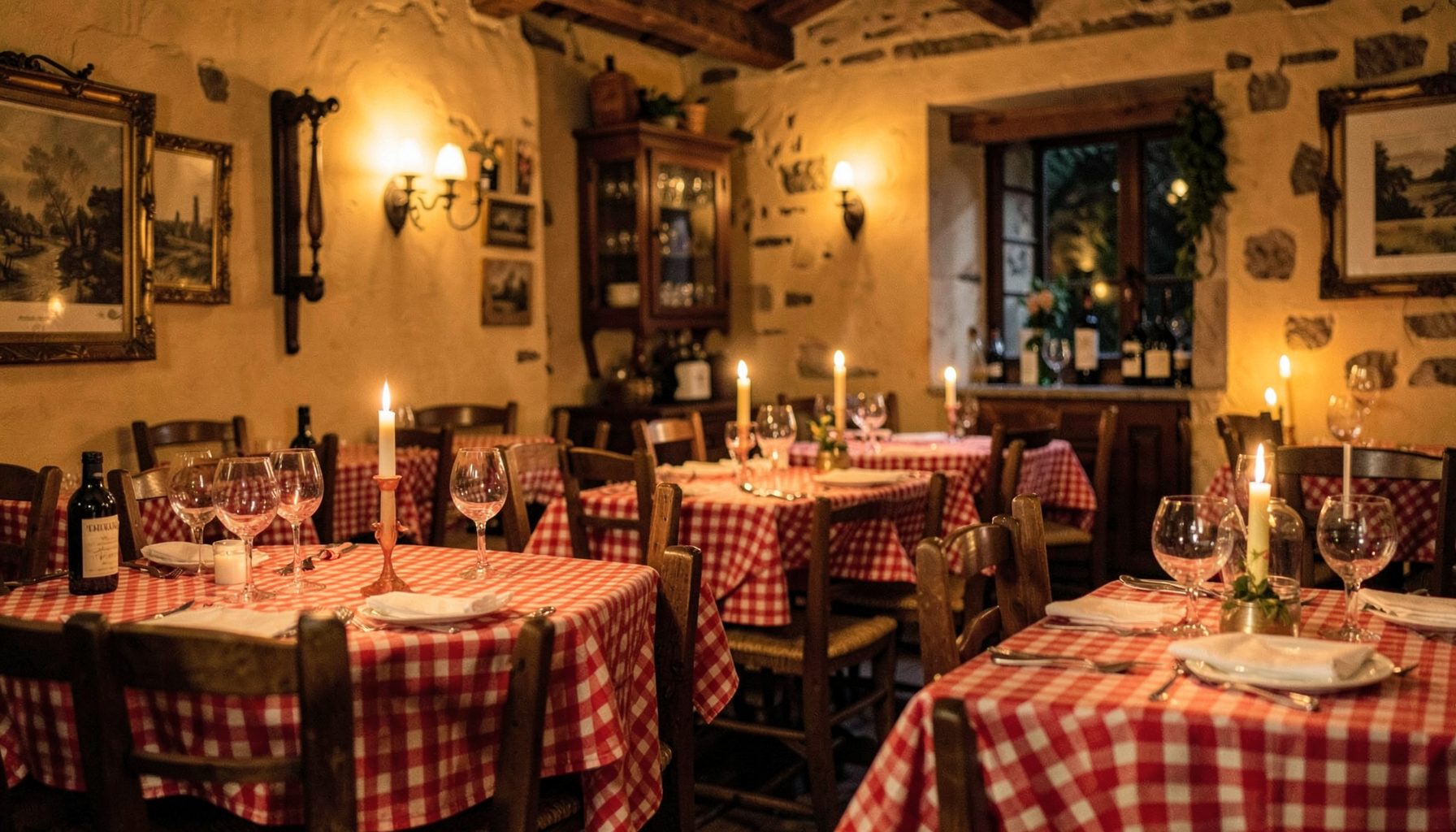
The History of Risotto From Northern Italy to Sonoma County
Risotto is often described as a simple bowl of rice, yet its character comes from a careful sequence of choices: the right grain, a flavourful broth, patient stirring and a final enrichment that makes the dish creamy without turning it heavy. Its story begins far from the vineyards of California, in the waterways and agricultural plains of northern Italy.
The dish developed around rice-growing communities in Lombardy, Piedmont and the Veneto, where irrigation, dairy farming and seasonal cooking shaped local food traditions. Over time, risotto became a canvas for saffron, mushrooms, shellfish, vegetables, cheese and wine, while retaining the same essential method.
In Sonoma County, that northern Italian tradition finds a new setting. Local growers, winemakers and chefs can reinterpret risotto through Pacific Coast produce and a strong farm-to-table culture, keeping the spirit of the dish connected to its roots while allowing the landscape around Geyserville to speak through every ingredient.
Rice Finds A Home In Northern Italy
Rice originated in Asia and travelled west through centuries of trade, cultivation and cultural exchange. Arab agricultural knowledge helped establish rice in parts of the Mediterranean, including Sicily, while northern Italian states gradually developed commercial rice farming. By the fifteenth century, rice was being cultivated in the Po Valley, where flat land and an extensive network of canals created ideal conditions.
The wetlands of Lombardy and Piedmont could support rice in fields that were difficult to use for many other crops. Seasonal workers, known as mondine, became part of the social history of rice production, tending fields under demanding conditions. Their labour helped make rice a significant agricultural product and gave the grain a lasting place in regional cuisine.
Risotto did not appear as a single invention with one agreed birth date. It evolved from cooking habits that combined rice with stock, butter, cheese and available ingredients. The technique suited northern Italy because rice could absorb the flavours of local broths while producing a satisfying dish from modest pantry supplies.
From Saffron Rice To A Culinary Technique
Risotto alla Milanese is one of the best-known versions. Its golden colour comes from saffron, a costly spice valued for its aroma and vivid appearance. Popular stories connect saffron rice with Milan’s cathedral and Renaissance glassmakers, although these tales are difficult to verify. What is certain is that saffron became closely associated with Milanese cooking and the city’s luxurious rice dishes.
The method matters as much as the ingredients. Rice is generally toasted in fat before wine is added to deglaze the pan. Warm stock then goes in gradually, allowing the grains to release starch as they cook. The result should be fluid and cohesive, with grains that remain pleasantly firm at the centre. Italian cooks describe the ideal consistency as all’onda, or “like a wave”.
At the end, mantecare brings the dish together. Cold butter and finely grated cheese are vigorously folded through the cooked rice, creating a glossy finish and a rounded texture. This final movement is why risotto should be served promptly. Waiting too long allows the starch to tighten and the creamy texture to become dense.
Regional Grains And Seasonal Variations
Carnaroli is prized for its ability to remain firm while releasing enough starch for a silky sauce. Arborio is widely recognised outside Italy and produces a generous creaminess, while Vialone Nano is valued in the Veneto for its ability to absorb stock and flavour. Each variety gives the cook a slightly different balance between texture and richness.
The ingredients added to risotto often reveal the geography of the region. In Piedmont, mushrooms and autumn truffles may appear; in coastal areas, seafood and shellfish are common. Pumpkin, radicchio, asparagus, peas and fresh herbs mark the changing seasons. A well-made vegetable risotto does not need meat to feel substantial, particularly when the broth has been carefully prepared.
For Australians, the seasonal logic is familiar. A Melbourne cook might reach for spring peas and asparagus, while a Brisbane kitchen may work with sweet pumpkin or locally grown herbs at a different point in the year. Farmers’ markets in Sydney, Adelaide and regional towns make it easier to follow produce calendars rather than relying on identical ingredients throughout the year.
Australian kitchens also operate within a clear food-safety framework. Temperature control, clean preparation areas and safe storage matter when making stock, dairy-based finishes or seafood risotto, with businesses guided by the Australia New Zealand Food Standards Code. These practical details support the same care that Italian cooks bring to each stage of the dish.
Risotto Crosses The Pacific
When Italian food travelled to the United States, risotto moved from regional tradition into a broader culinary vocabulary. Chefs began pairing its familiar technique with local grains, wines and produce. In Sonoma County, the connection feels especially natural because wine, agriculture and restaurant culture are woven closely together.
A Sonoma-style interpretation might begin with rice cooked in a broth made from local vegetables, then incorporate roasted squash, wild mushrooms, leafy greens or grilled spring onions. A splash of regional white wine can provide acidity, while a restrained amount of cheese allows the main ingredient to remain clear. The dish changes with the harvest rather than following a fixed formula.
The wood-fired cooking found in many Northern California restaurants adds another layer. Charred vegetables, roasted garlic or grilled seafood can be folded through the finished rice, bringing a gentle smoky quality. This approach respects the Italian technique while reflecting Sonoma County’s relationship with fire, vineyards and outdoor cooking.
Food traditions also travel through conviviality. A lively meal that combines handmade pasta, shared plates and music can create the same generous atmosphere associated with an Italian trattoria. A jazz and pasta evening captures that broader connection between live performance, slow dining and the pleasure of gathering around a table.
Bringing The Tradition To Geyserville
At Taverna Santi, risotto belongs naturally within a menu shaped by seasonal ingredients, local farmers and traditional Italian methods. Geyserville’s position in Sonoma County offers access to vegetables, herbs, wine and other products that can give a northern Italian preparation a distinct Californian identity.
The most convincing adaptation keeps the fundamentals intact: toast the rice, build flavour gradually, use a well-made stock and finish with care. Local character can then come through the produce. A risotto might feature garden vegetables at their peak, mushrooms from a nearby supplier or wine selected to complement the dish rather than dominate it.
Sustainability is part of this story as well. Using vegetables efficiently, making stock from trimmings and choosing ingredients from responsible growers reflects the resource-conscious origins of many Italian dishes. The same principle can be applied in Australia, where shoppers increasingly look for seasonal produce, regional provenance and restaurants that work closely with farmers.
A private celebration, tasting or chef-led demonstration offers an ideal setting for understanding the technique. Guests can see how a few minutes of stirring transform rice and stock, taste the difference between varieties and learn why the final butter-and-cheese finish should happen just before serving. Updates about seasonal suppers and restaurant events can be found through the Taverna Santi newsletter.
Practical Ways To Appreciate A Better Risotto
- Choose a short- or medium-grain rice labelled Arborio, Carnaroli or Vialone Nano.
- Keep the stock hot so the rice continues cooking at an even temperature.
- Toast the grains gently until their edges look translucent but never browned.
- Add stock in stages, stirring often enough to encourage starch release without overworking the rice.
- Use seasonal vegetables, mushrooms or seafood that can hold their texture during cooking.
- Finish with butter, cheese, herbs or olive oil, then serve while the risotto is still fluid.