The best wood for wood-fired ovens: a culinary perspective
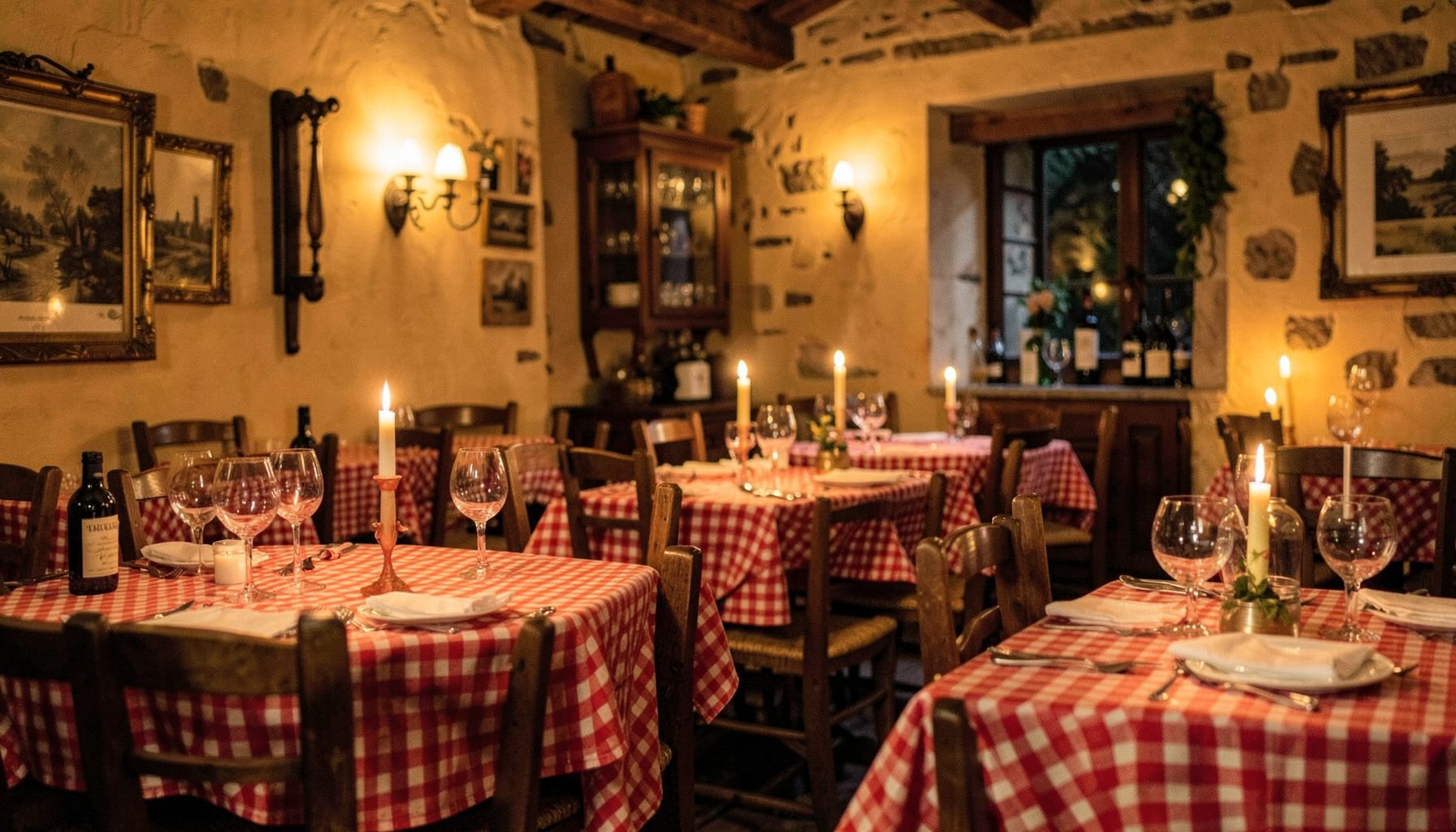
At Taverna Santi in Geyserville, the oven is part of the pantry, the daily rhythm and the room itself. Flame and radiant heat shape blistered sourdough, crisp-edged vegetables and pasta finishes, while a thread of smoke reminds guests that dinner begins with fire. Fuel choice is therefore a culinary decision, not simply a practical one.
Understanding the best wood for wood-fired ovens means looking beyond the label on a firewood sack. A chef considers dryness, density, aroma, burn rate and the dish, then tests those qualities against the oven’s airflow. The aim is to support Italian ingredients, not overpower the bay leaf, tomato, olive oil or gentle smoke that define the table.
Fuel is part of the flavour
Wood contributes heat, aroma and movement to an oven. A clean flame gives a pizza an even char and sends a steady wave of heat through a loaf; moist wood creates lazy smoke, soot and unstable temperature. The visible flame is useful, but the more important question is what happens after ignition: does the fuel settle into a steady bed of embers or collapse into sparks?
That distinction matters across the menu. Dense hardwood suits slow-roasted vegetables, meat and focaccia, while lighter wood can answer quickly for pasta finishing or a quick bake. At Taverna Santi, the oven should make San Marzano tomatoes richer and bring out the sweetness of garden produce. If the smoke dominates, the dish loses clarity and the careful sourcing of local ingredients seems wasted.
Species, moisture and aroma
Oak is the reliable benchmark: dense, widely available and capable of producing long, high heat. It gives a rounded flavour that works with tomatoes and cheeses, although young oak can be smoky and bitter. Ash burns cleanly and evenly with little aroma, making it a sensible base for delicate vegetables or pizza. Cherry and other fruitwoods add nuance, but their reputation for sweetness does not make them ideal fuel; they often ignite quickly and need a hardwood core.
Olive wood, relevant in Sonoma’s orchard landscape, has a distinctive character but should be used sparingly and in a blend. Properly seasoned wood matters more than a fashionable species. Green timber contains too much water, consumes heat while drying and creates condensation inside the oven. Wood that has been dried under cover, with air moving around it, will ignite more predictably and release cleaner smoke.
Australian cooks have excellent domestic options in jarrah from Western Australia, spotted gum from New South Wales and stringybark from several states. Jarrah is dense and powerful, spotted gum gives steady heat and stringybark can be lively but smoky. These are not interchangeable with European timber, so a restaurant should learn them by observation rather than assume that any hardwood will produce the same result as oak.
The Australian firewood market
Australian restaurant buyers encounter a practical market built around hardwood sold by the bag and bulk lots sold by the cubic metre. Independent merchants, builders’ yards and tree services supply smaller operators, while high-volume kitchens may arrange delivery and storage. Terms such as “seasoned hardwood” and “kiln-dried” are common, but drying method and actual moisture content can vary, making a small test purchase sensible before committing a restaurant order.
Local conditions also reverse the European seasonal clock. June to August is winter in Australia, often a damp period for split timber, while the same months bring the cool, wet season to Geyserville. A Melbourne or Hobart kitchen must keep reserves off the ground and ventilated; a Sonoma kitchen faces the same challenge, though suppliers and wood varieties differ. When Australians say they will “sort out the fire” for an arvo gathering, fuel selection is usually less considered than the social purpose of the barbecue.
That last distinction is useful. In everyday Australian speech, a BBQ and a wood-fired oven are different pieces of equipment: the former centres on grilling outdoors, while the latter provides controlled, radiant cooking. Restaurants serving pizza, roast vegetables or grilled fish should buy fuel by performance and moisture, not by the broad label “wood-fired”. State rules on transporting untreated firewood also deserve checking, particularly when moving timber between regional areas.
Matching wood to the menu
The best fuel is the one matched to temperature, time and food. Oak or ash may anchor a mixed load, with a smaller amount of fruitwood adding aroma to vegetables, fish or bread. Very resinous wood is a poor choice for pale sauces because deposits and smoke can linger. A chef should also account for the oven’s design, since a thin pizza deck, a heavy stone floor and a brick chamber each hold and release heat differently.
Fresh pasta generally needs a brief, fierce finish rather than a long smoke. Wood-fired dishes can use the residual heat to marry sauce and pasta, but the sauce should arrive at the table tasting of tomato, herbs and parmesan first. For guests comparing a rich main with a lighter plate, first-time diner guidance can help balance the experience before the oven’s smoke becomes another flavour to decode.
Vegetables reward a different balance. High heat browns their edges while preserving the centre, and a mild, even-burning wood allows olive oil, sea salt and char to do the talking. Bread and slow-cooked meats can tolerate a deeper smoke profile. The result should be recognisable as Geyserville produce cooked with Italian discipline, not as an exercise in tasting bark.
A chef’s buying guide
Commercial ovens reward consistency, but consistency begins with disciplined wood storage and a clear specification. Ask suppliers about species, source, drying time and moisture, then buy enough for a test rather than accepting an anonymous stack. An experienced cook can compare ignition time, bed depth, smoke colour and the flavour left in finished food.
These buying points are especially relevant to Australian operators buying by the cubic metre or ordering from local firewood yards. Choose a dependable base species, keep a second fuel available and change the blend only after judging several meals. The following recommendations suit a professional wood-fired kitchen:
- Buy well-seasoned hardwood with no paint, preservatives or chemical treatment.
- Prefer dense oak, ash or a tested Australian hardwood for the main heat.
- Use fruitwood as a measured accent, not as the sole fuel for long cooking.
- Store split wood off the ground, under cover and with airflow around the stack.
- Source from responsible local arborists, mills or suppliers, avoiding protected habitat.
A simple tasting protocol keeps the process objective. Burn a small, equal-weight load in the same oven, cook the same vegetable or dough, and note acidity, smoke intensity and char. Adjust one variable at a time, whether that is moisture, species or firing time.
From oven to table
At Taverna Santi, wood is chosen in the same spirit as produce, pasta and wine. Seasonal menus call for restraint: bright vegetables need clarity, handmade pasta needs a clean finish, and wood-fired dishes need depth without excess. Regional Sonoma wines pair naturally with that balance, allowing smoke to complement rather than compete.
Private events, tastings and chef-led demonstrations make the oven visible as a working element rather than a hidden source of heat. During a seasonal supper, guests may notice the flame before the first plate arrives. The chef’s task is to make that moment feel connected to the ingredients: local corn, tomatoes, herbs and fruit should explain why the fire matters.
Good wood-fired cooking comes from control rather than a mythical perfect log. The right timber, burned with patience, gives the oven a stable temperament and the kitchen an honest expression of place. For an intimate Sonoma dining room, that means warmth, precision and food whose flavour remains unmistakably itself.