Pairing Sonoma County wines with tomato-based pasta sauces
There is a particular kind of comfort that comes from twirling tagliatelle through a slow-cooked tomato sauce, the kind that bubbles away on a Sunday afternoon while the kitchen fills with the scent of garlic and basil. Australians who love Italian food often build their wine shelves around big Barossa shirazes or Margaret River cabernets, but Sonoma County bottles from California can offer a surprisingly fitting partner for those tangy, herb-driven sauces. The region's Mediterranean climate, rolling hills, and dedication to old-world Italian grape varieties make it a quiet treasure for anyone searching for the ideal glass to pour alongside a bowl of puttanesca or a rich ragù.
Sourcing Californian wine in Australia takes a little more effort than picking up a bottle at the local Dan Murphy's, yet the reward is genuine when the pairing works. With Australia's Wine Equalisation Tax sitting at 29 per cent on the wholesale value, imported bottles carry a premium, but independent bottle shops in Melbourne, Sydney, and Brisbane have grown increasingly curious about stocking smaller producers from Sonoma. A little planning, combined with a few trusted retailers, opens the door to a world of sangiovese, zinfandel, and Italian-inspired blends that sing beside tomato.
The soul of Sonoma County and its Mediterranean climate
Sonoma County stretches north of San Francisco, catching cool marine air that rolls in through the Petaluma Gap and the Russian River Valley. The fog burns off late in the morning, giving way to warm afternoons and cool evenings, a pattern that mirrors parts of Tuscany and Piedmont more closely than the hot inland valleys of central California. This diurnal swing allows grapes to develop full physiological ripeness while retaining the bright acidity that makes a wine food-friendly. For anyone cooking a tomato-based pasta sauce, that acidity is the structural backbone that keeps the pairing from collapsing into a flat, heavy mouthfeel.
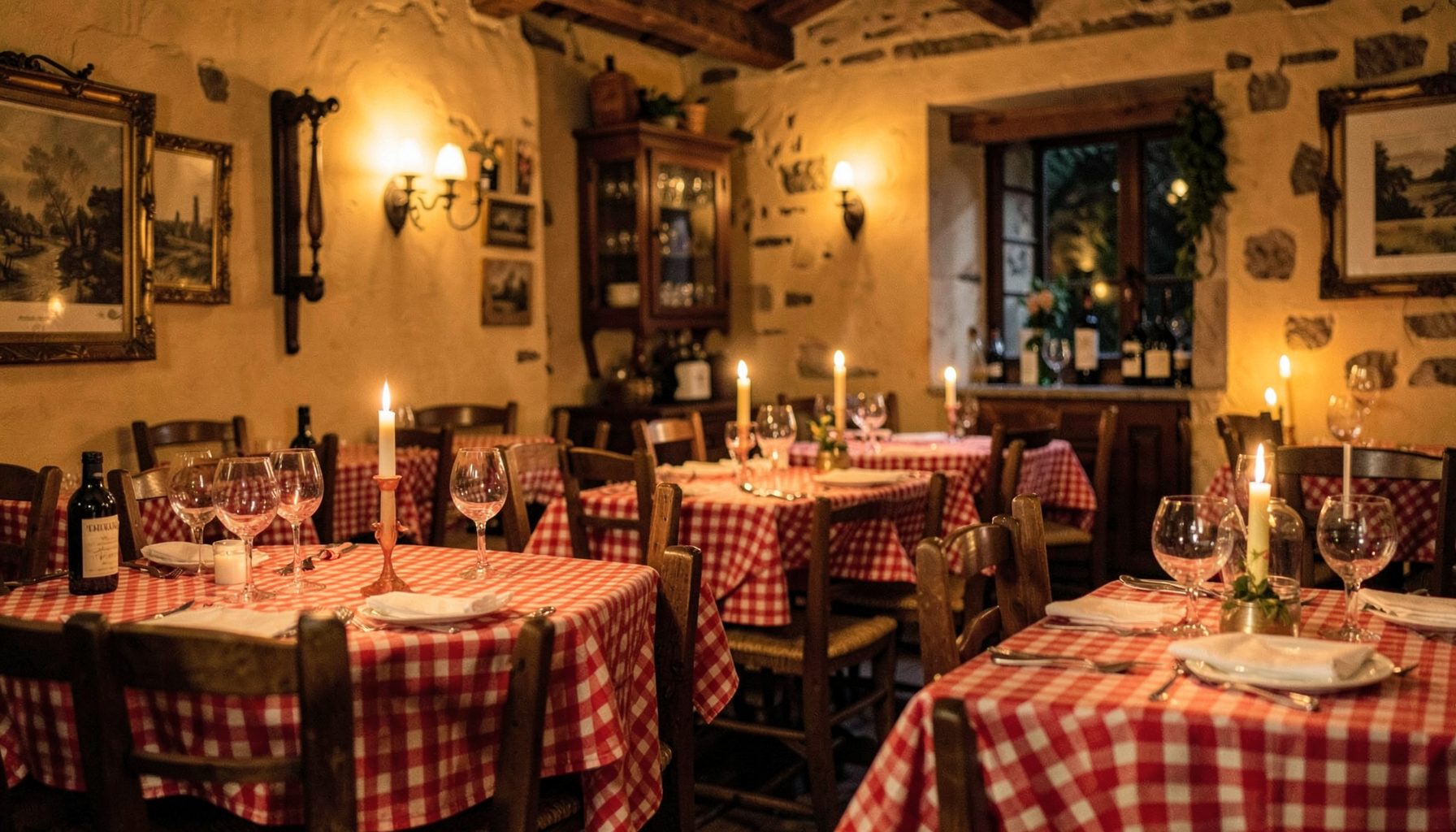
The winemakers here have long embraced Italian varietals, partly because the climate suits them and partly because the agricultural history of the region was shaped by Italian immigrants who planted cuttings from their homeland. Old-vine zinfandel, in particular, thrives in parts of Sonoma, producing concentrated, brambly fruit that behaves beautifully against ripe tomato, salted capers, and pungent parmesan. Producers like those featured at Taverna Santi often champion these grape traditions, treating California soil as a continuation of Italian soil rather than a departure from it.
Why acidity and tannin matter in a tomato-sauce pairing
Tomato sauce presents a particular challenge to wine because of its high natural acidity, its savoury umami depth, and often its sweetness once reduced. A wine with insufficient acidity will taste flabby and washed out beside a vibrant marinara, while a wine with aggressive tannins will clash with the metallic edge that tomatoes can sometimes expose. The sweet spot lies in a wine that carries enough freshness to lift the sauce and enough body to hold its own against slow-braised meats or thick ribbons of pasta.
Australian palates, trained on the bold structure of Barossa shiraz, sometimes assume that only heavy reds work with rich food. In truth, a medium-bodied red with bright cherry fruit, herbal notes, and gentle tannins tends to dance more gracefully with tomato than a blockbuster. The same principle explains why a young chianti works so well in a Florentine trattoria: the wine is built for the food, not the other way around. Sonoma winemakers have absorbed that lesson, crafting reds that are ripe yet restrained.
Italian heritage varietals grown in Sonoma worth knowing
Sangiovese is the most obvious starting point, and several Sonoma producers bottle varietal sangiovese or use it as the backbone of Super Tuscan-style blends. The grape's hallmark sour cherry, dried herb, and savoury leather characters align effortlessly with tomato, basil, and garlic. Look for bottles from the Dry Creek Valley or Sonoma Valley AVAs, where the climate resembles Tuscany's hillside sites.
Zinfandel, Sonoma's other great red, behaves differently but equally well. A properly made old-vine zinfandel offers jammy blackberry, white pepper, and a touch of earthiness that complements slow-cooked meat sauces. Because the grape can veer into high alcohol, seek out producers who pick earlier or who blend in petite sirah to add structure without excess heat.
For those who prefer white wine with certain tomato dishes, particularly seafood pasta or lighter vegetable sauces, a dry Italian-style white such as vermentino or arneis grown in Sonoma can be a revelation. Their citrus pith, almond, and saline quality refresh the palate between bites, cutting through oil and brightening the tomato's natural sweetness. These bottles remain rare in Australia, but a few specialist importers do bring them in.
Finding Sonoma wines through Australian retailers and importers
Independent bottle shops in Carlton and Fitzroy in Melbourne, in Surry Hills and Haberfield in Sydney, and in West End in Brisbane are the most likely places to find a small but rotating range of Sonoma County bottles. Australia's import market for Californian wine is smaller than for Italian or French wine, largely because of the Wine Equalisation Tax and the strong local industry, but demand has grown steadily over the past decade. Many shops will special-order on request, and a few importers now list Sonoma producers directly to their wholesale customers.
Online retailers based in Adelaide and Perth have also started curating American sections, occasionally featuring Sonoma alongside domestic pinot noir and riesling. The Australian Border Force allows adults to bring up to 2.25 litres of wine duty-free when returning from overseas travel, and the standard 750-millilitre bottle fits neatly into that allowance. Anyone planning a trip to the United States and willing to carry a bottle back can circumvent some of the import markup, though careful packing is essential.
Sonoma bottles to seek out for tomato-sauce dinners
Building a meal around the wine rather than the other way around is often the easiest path to a memorable evening. A long-simmered ragù begs for a structured red, while a quick cherry tomato and basil sauce for fresh ravioli wants something bright and uncomplicated. The bottles below represent a cross-section of styles, each bringing something different to the table.
- A sangiovese from a Dry Creek Valley producer, with bright cherry fruit and firm acidity for a classic spaghetti with marinara
- An old-vine zinfandel from Russian River Valley, peppery and brambly, ready for a slow-braised beef ragù
- A sangiovese-based blend with merlot or cabernet franc, offering depth for lasagne or baked pasta
- A dry vermentino from Sonoma County, citrusy and saline, ideal with seafood pasta in a light tomato broth
- A barbera grown in a warmer Sonoma site, juicy and low in tannin, friendly with rich tomato sauces and melted mozzarella
- A sparkling rosé made from pinot noir or a red blend, festive with antipasti, fried dough, and lighter tomato-based starters
Glass shape matters more than most home cooks realise. A wide-bowled red wine glass with a gentle taper concentrates the aromas of a sangiovese, drawing out the floral and herbal notes that might otherwise be lost. Serving temperature is equally important: a slight chill, around 15 to 17 degrees, tames high-alcohol zinfandel and lifts the perfume of lighter reds. Pulling the bottle from the benchtop an hour before dinner usually gets it right, leaving a simple bowl of pasta, a glass of well-chosen Sonoma wine, and a few friends gathered around the table to turn a weeknight into something worth remembering.