Sonoma County ciders for pork dishes: a pairing guide
Sonoma County ciders bring orchard acidity, fine bubbles and a range of savoury, herbal and fermented flavours to the table. Against pork, they can cut through fat, sharpen a rich sauce or echo the caramelised edges of a wood-fired piece. That makes them more useful than a simple apple drink: a dry cider can behave like a taut white wine, while a sweeter bottling can meet a sticky rib glaze.
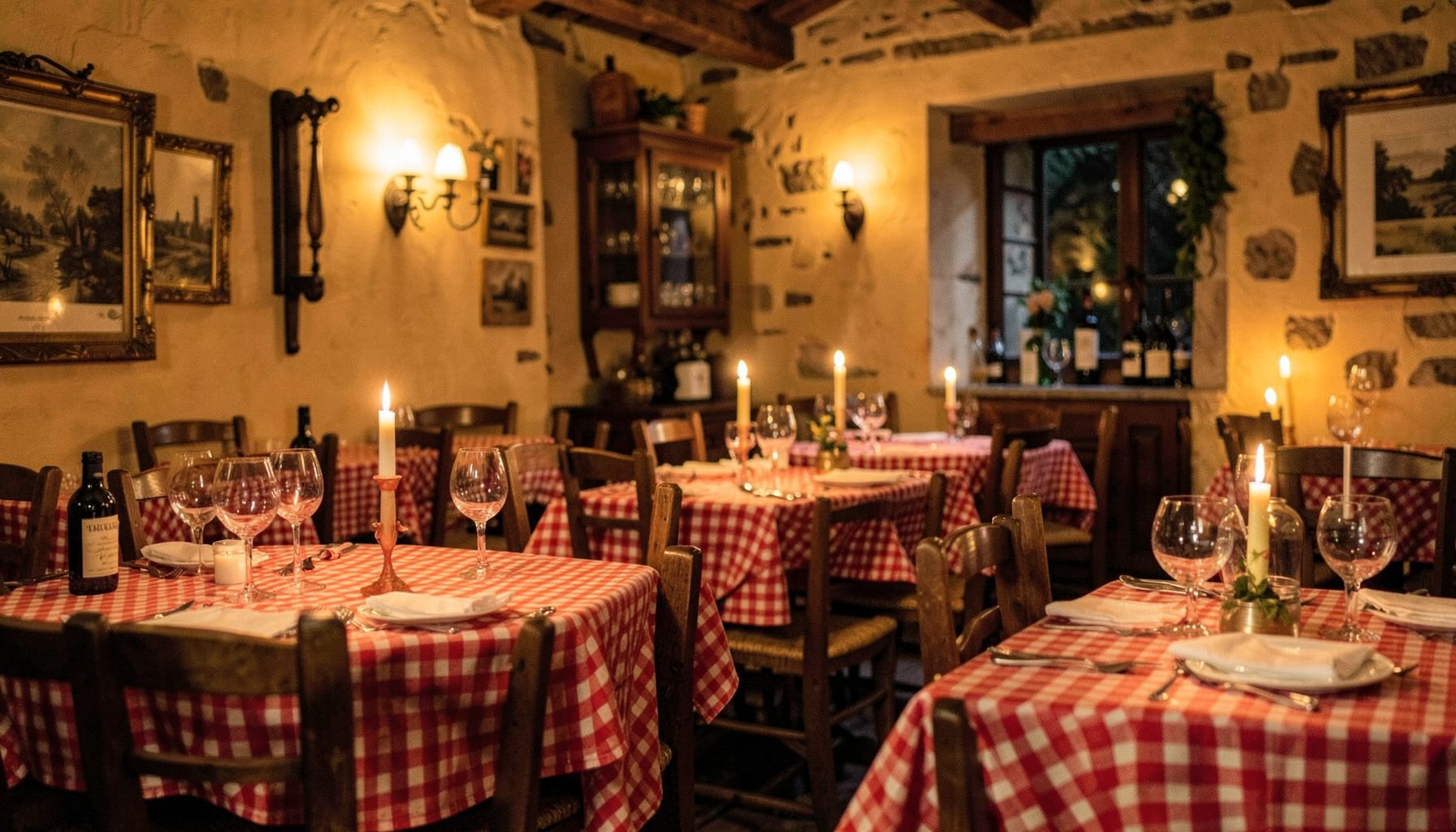
At Taverna Santi in Geyserville, the same logic suits its handmade pasta, seasonal vegetables and wood-fired cooking. A cider chosen for the evening’s pork plate should support the meal rather than dominate it. The best approach is to match the cider style to the cut, preparation and sauce, then consider the apple character behind the pour.
Why cider and pork work so well
Fat and sweetness in pork need structure, not more richness. A dry cider’s clean acidity slices through a fatty belly or a sausage with fennel, while restrained tannins keep a plate from feeling flat. Carbonation works similarly, lifting the palate between bites and cleansing the coating of a braised shoulder.
The cut changes the balance. Lean medallions or pork loin call for a light, crisp cider with little residual sugar. Fatty shoulder, ribs and belly can handle more body, and a braise benefits from acidity that stands up to tomato, wine and herbs. Sweet glazes need cider that is sweet without becoming syrupy.
Preparation adds another layer. Char and smoke call for enough fermentation character to meet the intensity, whereas a gently roasted joint with apples or fennel benefits from a softer orchard profile. In every case, the cider should taste integrated beside the pork, not like a separate apple course.
Dry ciders for roast pork and braises
Sonoma’s cider landscape is particularly useful for pork because its makers work with both sharp culinary apples and gentler eating varieties. Gravenstein brings floral aroma and a honeyed note; sharper orchard fruit can give a dry cider tension and length. These traits sit naturally beside rosemary, sage, mustard and fennel seed.
Hudson Cider in Sebastopol and Sonoma Cider in Petaluma are useful starting points when looking for a food-friendly dry bottle. Their dry styles can take a roast pork loin with mustard greens, while a fuller, fermented bottling can cope with a pork ragù spread through handmade pasta. Avoid choosing solely by colour; a pale cider can still be bracingly dry.
For a rich shoulder, look for a cider with firm acidity and some texture from bottle fermentation. Serve it around 10–12°C, cool enough to stay lively but not so cold that its orchard and yeast notes disappear. A dry cider that feels too sharp on its own may soften once it meets fat and warm spice.
Sparkling ciders for charcuterie and smoke
Sparkling cider is the relaxed option with antipasti, and especially good beside charcuterie. Fine bubbles and malic acidity cut the salt of prosciutto and the richness of coppa, while a briny or herbal note can mirror the fennel in pork salami. Serve the bottle with the first course so the bubbles do not vanish before the meat arrives.
More tactile sparkling ciders can handle a wood-fired chop or grilled pork sausage. A dry, fizzy pour refreshes a smoky crust; a lightly funky style adds savoury depth without burying the seasoning. Seek out examples from Sebastopol producers such as Cider Riot or Cider School, or a sparkling bottling from Sonoma Cider, depending on availability.
Fermentation matters as much as sparkle. A cider with a clean, tart finish suits cured pork, while a bottle with a barnyard or earthy edge pairs well with char. If the aroma smells of vinegar or harsh acetone, move on; those qualities become more obvious beside a rich plate.
Sweet orchard ciders for ribs and glazed pork
A little sweetness is useful when pork is peppery, spicy or lacquered in sauce. An off-dry cider can soften chilli with ribs and balance the salt of a glaze without muting the apple flavour. It also works with pork belly, where the fruit echoes caramelised fat and roasted edges.
Watch the level of sugar, however. A juicy sweet cider can make a glazed chop taste candied, particularly if the plate also contains honey or reduced jus. A semi-dry or gently fruity bottle is more versatile, especially when its acidity remains obvious on the finish.
Traditional or heritage apple blends are often the most interesting choices because bittersweet fruit supplies structure as well as perfume. Pair them with a crisp salad, bitter leaves or pickled vegetables to keep the meal fresh. With soft herbs and braised pork, choose a rounded cider whose sweetness is balanced by orchard acidity.
A shortlist for pairing at the table
The shortlist below favours ciders with enough character for the table, whether they are served beside a roast or used in a tasting flight. Producers rotate vintages and formats, so look for the described style under the current label. Dry and sparkling ciders are especially useful for sharing.
At Taverna Santi, these bottles could accompany a seasonal pork supper, a private celebration or a chef-led tasting. The food match remains the deciding factor: serve a bottle with the entrée, then compare how its acidity and texture change as the dish moves from lean meat to sauce.
- Hudson Cider dry cider from Sebastopol: try it with roast pork loin, mustard greens and apples for a crisp, savoury counterpoint.
- Hudson single-varietal cider: choose a current Gravenstein or another dry orchard bottling for tenderloin with sage and a creamy accompaniment.
- Sonoma Cider dry cider from Petaluma: pair its bright acidity with pork ragù, especially when the sauce includes fennel or rosemary.
- Sonoma Cider sparkling cider: bring it to the antipasto table for cured pork, cheese and salty olives, or use it with grilled sausage.
- California Basque Cider Company dry cider from Windsor: its concentrated fruit and firm structure suit a braised shoulder with tomato or pepper.
- A funk-forward bottling from Cider Riot or Cider School in Sebastopol: match its fermented character with charred pork, sausages or a smoky ragù.
Finding Sonoma-style ciders in Australia
Australian drinkers will find the Sonoma style most easily through specialist bottle shops and online cider retailers in Melbourne and Sydney. Independent grocers can be useful too, while supermarkets such as Woolworths and Coles generally stock packaged cider rather than the smaller Sonoma labels. Availability changes with shipments, so it is worth asking a shop to source a particular producer.
Farmers’ markets offer a useful local benchmark. Craft cider makers in Victoria, Tasmania and New England sell styles from bone-dry to gently sweet, making it possible to compare a regional sparkling cider with an imported Sonoma bottle without guessing from sweetness alone. Check the alcohol percentage and any serving suggestions, because drier ciders may not be described as dry in Australian bottle shops.
Restaurant customs differ from those in the United States. BYO is common at some Melbourne venues, but corkage charges and accepted bottles vary, so check before planning a cider dinner. Tipping is optional rather than expected in Australia. For a hosted pairing or private event, bottle availability, glassware and the pork menu should be confirmed before ordering.