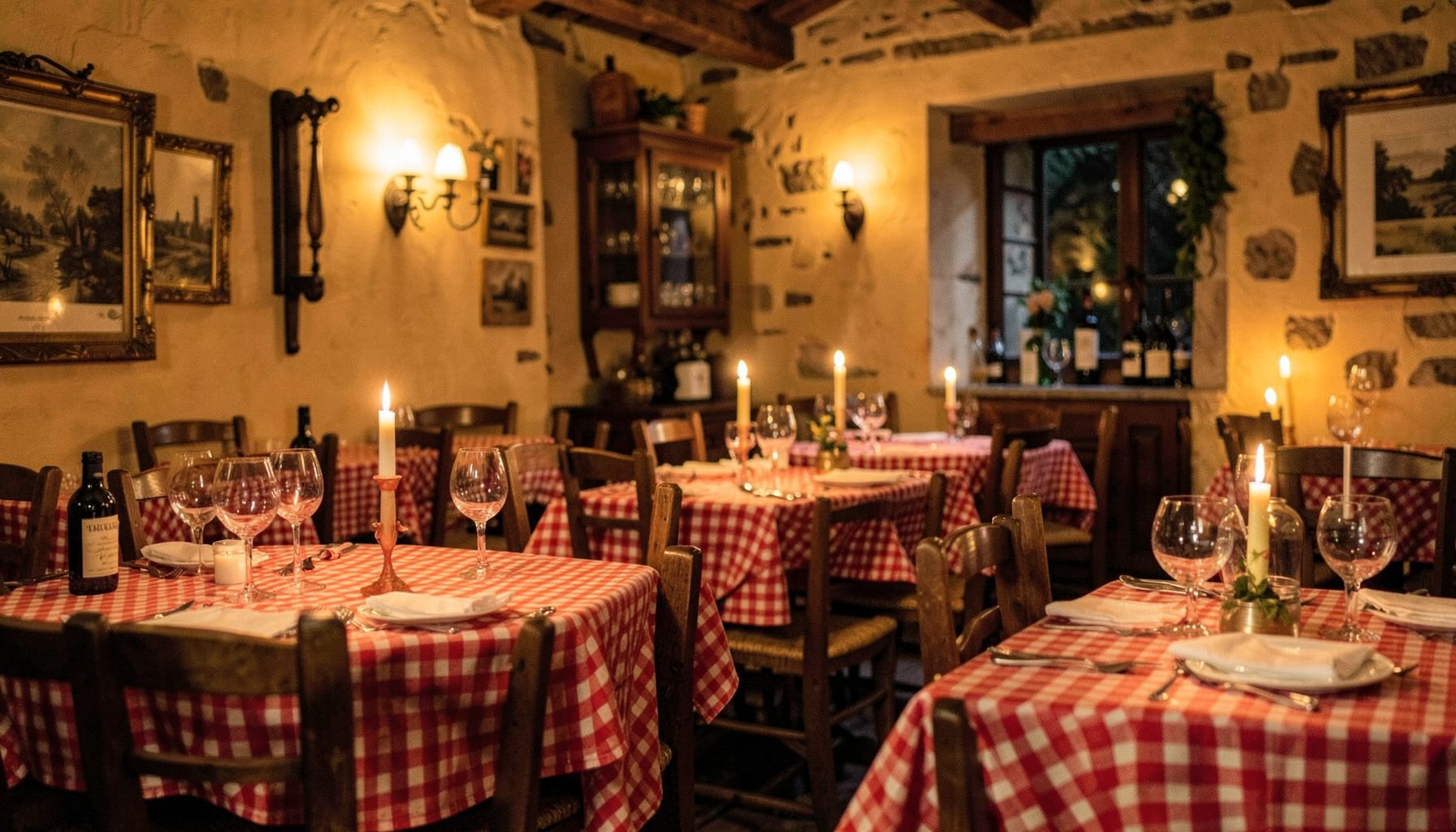
Why seasonal ingredients shape a memorable meal
In my kitchen at Taverna Santi in Geyserville, a seasonal ingredient is more than a name on a chalkboard. It is the end of a longer story involving a particular soil, rainfall pattern, harvest date and farmer’s decision. The benefits of eating seasonally begin when food is allowed to ripen fully and arrive with its character intact, rather than being treated as an interchangeable commodity.
That approach gives diners deeper flavour, a more varied diet and a closer connection to the people producing their food. It can also reduce pressure from long-distance supply chains, although “local” alone does not guarantee a smaller footprint. Australian kitchens sit at an interesting intersection between imported produce available every day, independent growers and climates that do not follow Europe’s timetable.
Flavour starts in the field
A field tomato picked at full ripeness smells of leaves, warm earth and sweetness before it ever reaches the kitchen. Produce transported over long distances may be harvested before peak maturity to survive the journey. It can still be good food, but the aromas and textures we associate with a harvest season are often quieter.
Herbs, tender greens, mushrooms and fruit show the same distinction. Basil torn at the table releases more aroma than a bunch left in a plastic bag, while a just-picked peach has a softness and juice that no amount of refrigeration can reproduce. Seasonal cooking begins by protecting those sensory qualities rather than hiding them beneath heavy seasoning.
At Taverna Santi, that principle guides our handmade pasta, vegetable-focused plates and wood-fired dishes. A sauce built around peak produce needs little disguise. The farmer’s work, the weather and the day of harvest become part of the flavour, giving each service a clear sense of place and time.
Nutrition follows the harvest
Freshly harvested fruit and vegetables often provide a useful balance of fibre, vitamins, minerals and plant compounds. Eating across the seasons can also encourage variety, because a menu changes as different crops become available. That variety supports a more diverse diet than relying on a narrow group of staple vegetables throughout the year.
Seasonal food is not automatically healthier, however. A crop can lose nutrients during extended storage, and a restaurant can spoil the benefits of good produce by preparing it carelessly. We aim to cook vegetables gently, season them with herbs and olive oil, and serve them with satisfying sources of protein such as beans, grains, fish or meat.
The wider lesson is that nutrition works best as a pattern, not as a single ingredient. Seasonal produce can make that pattern more appealing and accessible. A plate of roasted carrots, grains and sheep’s cheese can offer as much satisfaction as a heavier combination while still delivering fibre, colour and sustained energy.
Good food can support resilient farms
Buying in season gives growers a market for a crop when it is abundant and of the highest quality. That can help support diversified farms, improve the economics of small plots and make practices such as crop rotation, soil restoration and habitat protection more viable. At Taverna Santi, our relationships with local farmers are central to how we plan menus and special events.
Food miles tell only part of the environmental story. The method of farming, amount of packaging, use of water, energy required for storage and how much waste is created all matter. A local crop grown with intensive chemical inputs may not outperform a carefully managed regional product in every category.
The practical response is informed curiosity rather than slogans. We ask growers about their methods, use what the season supplies and reduce waste through careful preparation and preservation. Guests can make similar choices by buying imperfect produce, cooking with the whole ingredient and treating out-of-season imports as a deliberate choice rather than a default.
Seasonal rhythms across Australian tables
Australian seasons are shaped by a continent rather than one neat calendar. Melbourne has a cool-temperate climate with crisp winters and productive spring gardens, while Sydney experiences milder winters and earlier harvests. Brisbane has subtropical and tropical growing conditions, so citrus, avocados and year-round herbs may appear when Melbourne diners are enjoying snow peas or brassicas. “In season” therefore depends on the region.
Farmers’ markets in Melbourne and Sydney offer a vivid contrast to the year-round convenience of Coles and Woolworths. At a market stall, shoppers can meet the grower, ask whether a variety is suitable for cooking and discover small quantities that would rarely appear on a supermarket shelf. This direct connection remains valuable even when imported produce is cheaper or more convenient.
Food regulation also gives seasonal shopping a practical framework. Food Standards Australia New Zealand sets standards for food safety, ingredients and allergen labelling, while state and territory authorities enforce requirements in retail and hospitality settings. Mandatory allergen information helps diners make informed choices, although it does not reveal whether produce was imported, grown nearby or stored for months.
How the kitchen turns harvests into dinner
A seasonal menu should feel coherent rather than like a list of fashionable ingredients. We begin with what is exceptional now, then build around its texture, sweetness or acidity. A delicate squash might become a filling for hand-shaped pasta, while sturdy brassicas can roast beside the wood-firedoven and deepen into a shared dish.
Fresh dairy can shape a pasta filling just as effectively. This guide to homemade ricotta explains how temperature and resting time change its texture, which is why I prefer to make it on the day it is served. Such details turn an available ingredient into a deliberate culinary choice.
Preservation gives the kitchen another bridge between seasons. Olives, capers, dried beans, cured meats, ferments and bottles of regional wine can carry the character of one harvest into later menus. They also support our emphasis on traditional Italian techniques, sustainability and ingredients selected with care rather than substituted without thought.
Ways to put seasonal eating into practice
Seasonal dining becomes easier when diners recognise what the kitchen does well each week. The most rewarding choices are often simple: order one dish led by the current harvest, share several vegetable plates, or ask how a particular ingredient was grown and prepared. For celebrations, guests arranging a private event can compare PayPal alternatives before sending a deposit, then confirm directly with the restaurant which methods are accepted.
- Ask which produce is at its peak, then choose a dish that showcases it instead of ordering around a predetermined ingredient.
- Build a table around several vegetable plates so seasonality provides variety as well as a featured centrepiece.
- Include pulses, whole grains, seasonal fruit, fish or meat to create a balanced plate with sufficient fibre and protein.
- Buy imperfect or surplus produce when practical, and learn to use fresh herbs, stems and trimmings rather than discarding them.
- Follow growers, farmers’ markets and restaurant menus to learn what is genuinely available rather than relying on a fixed list of “seasonal” foods.
At home, the same habit can begin with one weekly market visit and a flexible meal plan. Fresh food does not need to dominate every meal, but when it does, it should arrive with its identity intact. Shopping and cooking this way makes flavour, nutrition and farm relationships reinforce one another.
That connection is the quiet promise of seasonal cooking. It turns a meal into a record of a particular place and moment, while giving farmers, growers and diners a reason to value the same harvest together.