Sparkling Wine Pairings for Fried Calamari and Aioli
Golden fried calamari, creamy aioli and a glass of sparkling wine make a lively combination. The crisp coating brings warmth and texture, while the tender seafood offers a clean, gently sweet flavour. A well-chosen fizz cuts through the oil, refreshes the palate and keeps every bite feeling bright.
The best match depends on the calamari’s seasoning and the character of the dipping sauce. Lemon, garlic, herbs, chilli and smoked paprika can all shift the balance. A dry sparkling wine with fresh acidity is usually the safest place to start, though wines with a touch of fruit or a more savoury finish can create equally appealing pairings.
For Australian diners, this style of pairing feels familiar without being predictable. Seafood and sparkling wine are staples of long lunches in Sydney, Melbourne and Brisbane, while Tasmanian and Adelaide Hills producers offer local bottles with the freshness needed for fried dishes. A chilled bottle from a good bottle shop can suit a casual gathering, while a méthode traditionnelle wine has enough depth for a special dinner.
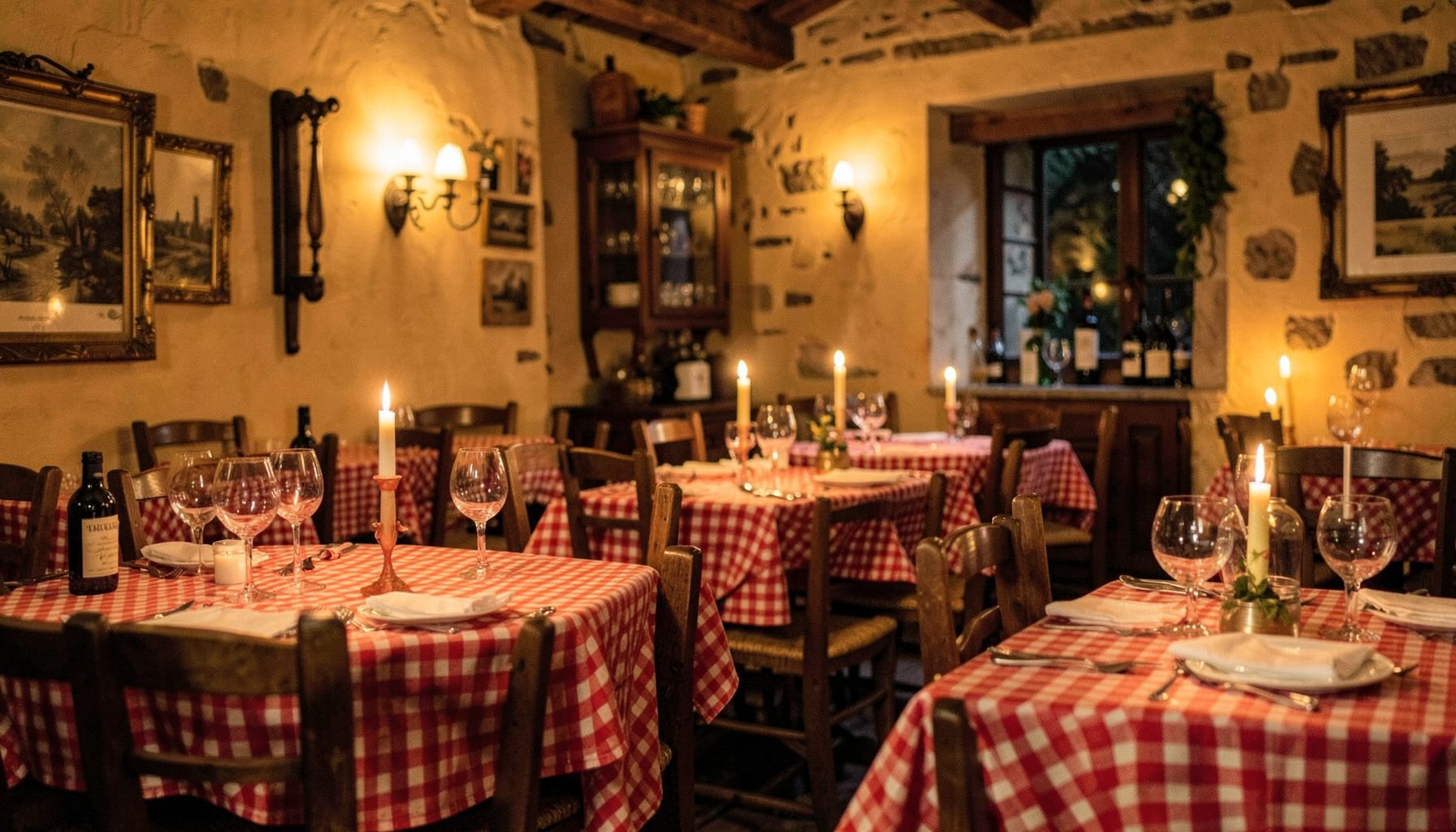
At Taverna Santi in Geyserville, the pairing can sit naturally within a broader Italian meal. The restaurant’s seasonal cooking, regional wines and rustic setting invite guests to enjoy calamari as part of a generous table rather than as an isolated course. The right sparkling wine should support the food’s texture, lift its flavours and leave room for what comes next.
Why bubbles work with fried seafood
Fried calamari carries richness from the cooking oil and from the crisp flour or batter surrounding the seafood. Sparkling wine provides two useful points of contrast: acidity and carbonation. Acidity brightens the dish, while bubbles help clear the palate after each mouthful. This is why a glass of brut can feel more refreshing than a still white wine with the same level of acidity.
The wine’s dryness also matters. A brut or extra brut style generally works well when the aioli is rich and garlicky. Very sweet sparkling wine may make the coating taste heavy, while an aggressively lean wine can make the garlic seem sharper. Look for a bottle that combines freshness with enough fruit to soften the savoury edges.
Texture creates another layer of harmony. Fine, persistent bubbles echo the crisp surface of the calamari without overwhelming its delicate centre. Wines aged on lees, such as traditional-method sparkling wines, can add a subtle bready or creamy quality that mirrors the aioli while retaining a clean finish.
Match the wine to the aioli
Classic garlic aioli calls for a sparkling wine with firm acidity and a dry finish. Chardonnay-led wines are especially effective because they often carry citrus, green apple and mineral notes. These flavours can make lemon on the plate taste more vivid and keep the garlic from dominating the pairing.
If the aioli includes roasted garlic, saffron or preserved lemon, choose a wine with a little more body. A traditional-method Chardonnay, a refined Australian sparkling wine or a dry Italian Franciacorta can handle these deeper flavours. The aim is to match the sauce’s creamy weight without losing the freshness that makes the pairing work.
Herb aioli opens the door to wines with floral or citrus aromas. A dry Prosecco can suit basil, parsley or tarragon, particularly when the calamari is lightly seasoned. For chilli aioli, a fruit-forward sparkling wine with moderate alcohol can be more comfortable than an austere bottle. A hint of ripe pear or orchard fruit helps cushion the heat.
Australian bottles worth considering
Tasmanian sparkling wine is a natural option for Australian diners. Producers from the Huon Valley, Coal River Valley and Tamar Valley often make wines with bright acidity, fine bubbles and a cool-climate profile. These characteristics suit calamari beautifully, especially when the dish includes lemon, fennel or fresh herbs. A Tasmanian brut can bring polish without making the seafood feel formal.
Adelaide Hills sparkling wine offers another strong match, with cool nights helping retain freshness and aromatic lift. A Chardonnay-Pinot Noir blend can provide enough structure for fried food, while a lighter blanc de blancs keeps the focus on the seafood. These bottles are widely recognised in Australia’s restaurant and independent retail market, making them practical choices for entertaining at home.
Australian Prosecco, particularly from Victoria’s King Valley, tends to be approachable and fruit-driven. Its pear, apple and citrus notes can work well with simply seasoned calamari and a lighter aioli. It is a relaxed choice for a summer lunch, an arvo gathering or a plate of shared snacks. Choose a dry style rather than one with obvious sweetness.
Cava from Spain and Italian Franciacorta can broaden the selection. Cava often brings citrus, herbs and a gentle savoury note, while Franciacorta can offer a richer, more vinous texture. Both are useful when the calamari is served with roasted vegetables, olives or other Mediterranean accompaniments.
Seasoning changes the pairing
A simple coating of flour, salt and pepper allows the sparkling wine to show its freshness. Add lemon zest, and the wine’s citrus character becomes more prominent. Add fennel seed or oregano, and a wine with herbal or floral notes may feel more integrated. The more aromatic the seasoning, the more expressive the sparkling wine can be.
Chilli, smoked paprika and pepper require a little care. High alcohol can intensify chilli heat, so choose a wine with moderate alcohol and generous fruit. A dry Prosecco or fresh rosé sparkling wine may work better than a powerful vintage-style bottle. Rosé can be especially appealing with paprika, tomato-based dips or a calamari dish that includes grilled capsicum.
When the plate includes chips, roasted potatoes or a dense batter, a fuller wine is useful. Traditional-method sparkling wine has the structure to stand beside these elements, particularly when its acidity remains lively. When the dish is served with shaved fennel, rocket or a sharp salad, a lighter, more linear bottle may be preferable.
Serving temperature affects the whole experience. Sparkling wine should be properly chilled, but not so cold that its aromas disappear. Around 6–8°C is a useful range for lighter styles; richer traditional-method wines can be served slightly warmer. Keep the bottle in an ice bucket during a long meal so each pour stays refreshing.
Build the pairing into the dining experience
At Taverna Santi, fried calamari and aioli could begin a meal alongside seasonal vegetables, handmade pasta or wood-fired dishes. A bright sparkling wine gives the table an immediate sense of occasion while remaining flexible enough to accompany several small plates. Its acidity can bridge seafood, fritto-style dishes and fresh salads without competing with the restaurant’s regional wines.
For a private event or tasting, it can be useful to pour two styles side by side. A fresh King Valley Prosecco can show how fruit and easygoing texture suit lightly seasoned calamari. A Tasmanian traditional-method wine can demonstrate the effect of finer bubbles, lees texture and greater complexity alongside roasted garlic aioli.
Australian dining habits also make this pairing easy to share. At a Melbourne dinner, guests may begin with snacks before moving to a longer meal; in Sydney, seafood and sparkling wine suit a relaxed coastal mood; in Perth or Brisbane, chilled wine and crisp fried seafood are natural warm-weather choices. A good pairing should feel generous and unfussy rather than overly technical.
A simple serving approach keeps the focus on balance: plate the calamari immediately, serve the aioli cool but not icy, and pour the sparkling wine just before eating. Finish with lemon at the table so guests can adjust the acidity themselves. This small detail respects different preferences and lets the wine work with either a delicate or more pronounced citrus note.
Practical pairing choices for the table
- Choose brut, extra brut or another clearly dry sparkling style for rich aioli.
- Select Tasmanian or Adelaide Hills sparkling wine when you want bright acidity and fine bubbles.
- Use dry King Valley Prosecco for lightly seasoned calamari and relaxed shared dining.
- Pair chilli or smoked paprika with a fruit-forward wine of moderate alcohol.
- Choose a fuller traditional-method wine when the batter, potatoes or side dishes are substantial.
- Serve the wine well chilled, then allow richer bottles to warm slightly in the glass.
- Add lemon gradually, tasting as you go so the citrus does not overwhelm the seafood or wine.