A seasonal guide to Italian wines and autumn squash
Autumn squash has a generous character that makes it especially welcoming at the table. Pumpkin, butternut, delicata and kabocha become sweeter when roasted, while their soft texture carries butter, olive oil, herbs, chilli and aged cheese with ease. That combination gives Italian wine plenty of directions to explore, from bright regional whites to earthy reds.
For diners in Australia, the word “autumn” usually means March through May, when markets fill with pumpkins, mushrooms, brassicas and late-season tomatoes. In Sonoma County, the autumn harvest arrives during the Northern Hemisphere’s September to November season. Taverna Santi works with that produce-led rhythm, using local ingredients and traditional Italian methods to create dishes that feel rustic, seasonal and carefully balanced.
The best pairing depends on how the squash is cooked rather than its name alone. A silky pumpkin risotto calls for a different bottle from wood-fired squash with sage, or ravioli filled with roasted butternut and finished with brown butter. Understanding sweetness, acidity, texture and seasoning makes the pairing feel natural rather than prescriptive.
Autumn on two seasonal calendars
Australian guests are familiar with the pleasure of shopping for produce at a weekend farmers’ market, whether in Melbourne, Sydney, Brisbane or a regional town. In March and April, pumpkin is a familiar sight at greengrocers and supermarkets, and many home cooks roast a tray of vegetables for weekday lunches. That everyday habit translates beautifully to Italian cooking, where a humble squash can become a refined pasta filling, soup or contorno.
At Taverna Santi, the Northern Californian season shapes the menu in a different part of the year, yet the principle is the same: choose ingredients at their best and let them guide the dish. A visit can bring together Sonoma-grown produce, handmade pasta, wood-fired cooking and wines selected for the meal rather than treated as an afterthought.
A useful starting point is to identify the dominant flavour. Sweet roasted pumpkin needs freshness or savoury structure to keep the meal lively. Squash cooked with tomato, vinegar or bitter greens can handle a fuller wine. Cream, cheese and butter soften sharp edges, while chilli, garlic and rosemary make a wine’s aroma seem more pronounced.
Crisp whites for creamy pumpkin dishes
Pumpkin risotto, tortelli and velvety squash soup often have a rich, rounded texture. Italian white wines with lively acidity are a dependable match because they refresh the palate after each spoonful. Verdicchio from Marche brings citrus, almond and a faintly savoury finish, while Soave offers restrained orchard fruit and mineral lift.
Pinot Grigio can work when the dish is light and herb-led, especially with parsley, lemon or sautéed greens. For a more substantial plate, look for a white with enough texture to stand beside parmesan, mascarpone or a roasted garlic purée. Friulian whites and fuller expressions of Pecorino can provide that extra breadth without overwhelming delicate squash.
Australian wine drinkers may recognise this balance from pairing a cool-climate Chardonnay with seafood or creamy vegetable dishes. The same principle applies here: acidity keeps richness from becoming heavy, while moderate oak is preferable to strongly buttery or heavily toasted styles. Serve the wine cool, but not so cold that its fragrance disappears.
Light reds with roasted squash
Wood-fired pumpkin develops caramelised edges, smoky notes and a deeper savouriness. This opens the door to light and medium-bodied red wines, particularly those with bright acidity and gentle tannins. Barbera is a strong choice because its natural freshness cuts through oil and cheese, while its red-fruit character complements the squash’s sweetness.
Chianti made primarily from Sangiovese can suit a dish with tomato, lentils, wild mushrooms or hard cheese. Its sour-cherry flavours and savoury finish echo the roasted ingredients without making the pairing taste sugary. For squash paired with sausage or braised greens, a young Montepulciano d’Abruzzo may offer enough depth while remaining approachable.
Tannins deserve attention. A heavily extracted red can taste bitter beside sweet vegetables, particularly when the dish includes sage or charred skin. Softer reds from northern Italy, lightly chilled Schiava, or a fresh Lambrusco can be more successful when the plate is earthy but not intensely meaty.
Sparkling and aromatic alternatives
Italian sparkling wine brings energy to squash dishes prepared with fried sage, crisp breadcrumbs or rich cheese. Franciacorta offers a fine-boned, food-friendly style with enough depth for a celebratory meal, while Prosecco works well with lighter antipasti, pumpkin fritters and dishes dressed with herbs. The bubbles lift the texture and make each bite feel less dense.
Aromatic whites are useful when the recipe includes chilli, fennel seed or fragrant herbs. A dry Malvasia can echo floral and stone-fruit notes without becoming cloying, and a dry Riesling-style wine can handle spice while preserving freshness. The key is to choose a wine with genuine dryness; a sweet bottle can exaggerate the natural sweetness of roasted squash.
In Australia, sparkling wine is part of many gatherings, from a relaxed barbecue in Adelaide to a long lunch in Perth or a family celebration in Canberra. An Italian bottle can bring a different regional expression to that familiar ritual. For a formal table, pour it as an aperitivo and continue with the same wine if its structure can carry the main course.
Herbs, cheese and regional character
The finishing ingredients often decide the final match. Sage and brown butter favour wines with acidity and a savoury edge, while rosemary and thyme can make a red’s herbal qualities more noticeable. Amaretti, nutmeg and cinnamon introduce sweetness and spice, so a wine with bright fruit and a clean finish is usually safer than one dominated by oak.
Hard cheeses such as Parmigiano-Reggiano or aged pecorino add salt and umami, which can make a wine seem softer and fuller. Fresh ricotta, taleggio or gorgonzola changes the equation again. A fragrant white may suit ricotta-filled pasta, whereas a supple red can support stronger cheese and roasted mushrooms.
The same dish can therefore move between wine categories depending on its garnish. Butternut ravioli with brown butter and hazelnuts may suit a textured white; add a rich meat ragù and a red becomes more convincing. This is why seasonal Italian cuisine rewards attention to the whole plate, including sauce, garnish and cooking method.
Bringing the pairing to the table
A well-planned meal might begin with sparkling wine and squash crostini, move to a white with pumpkin risotto, then finish with a lighter red beside wood-fired squash and bitter leaves. There is no requirement to match every course with a new bottle. A versatile wine can follow the meal when its acidity, body and alcohol remain balanced.
For private celebrations, tastings or chef-led demonstrations, the conversation around the bottle can be part of the occasion. Guests might compare how the same squash tastes after steaming, roasting and grilling, or see how a spoonful of parmesan changes the wine. These small observations turn a meal into a practical lesson in regional Italian food culture.
Australian hosts should also account for local service rules when planning a wine-focused event. Licensed venues must follow responsible service of alcohol requirements, and hosts should provide water, substantial food and sensible transport options. In restaurants, staff can guide guests through serving sizes and pacing, while designated drivers, taxis and rideshare services make a long lunch easier to enjoy responsibly.
The wider Australian market also gives diners plenty of choice, from Italian imports at independent bottle shops to domestic wines made from Nebbiolo, Vermentino and Sangiovese. Comparing those styles with a bottle from Italy can reveal how climate and soil shape the same grape. A regional Australian wine may taste brighter and more restrained in a cool area, while a warmer inland example may show riper fruit and fuller body.
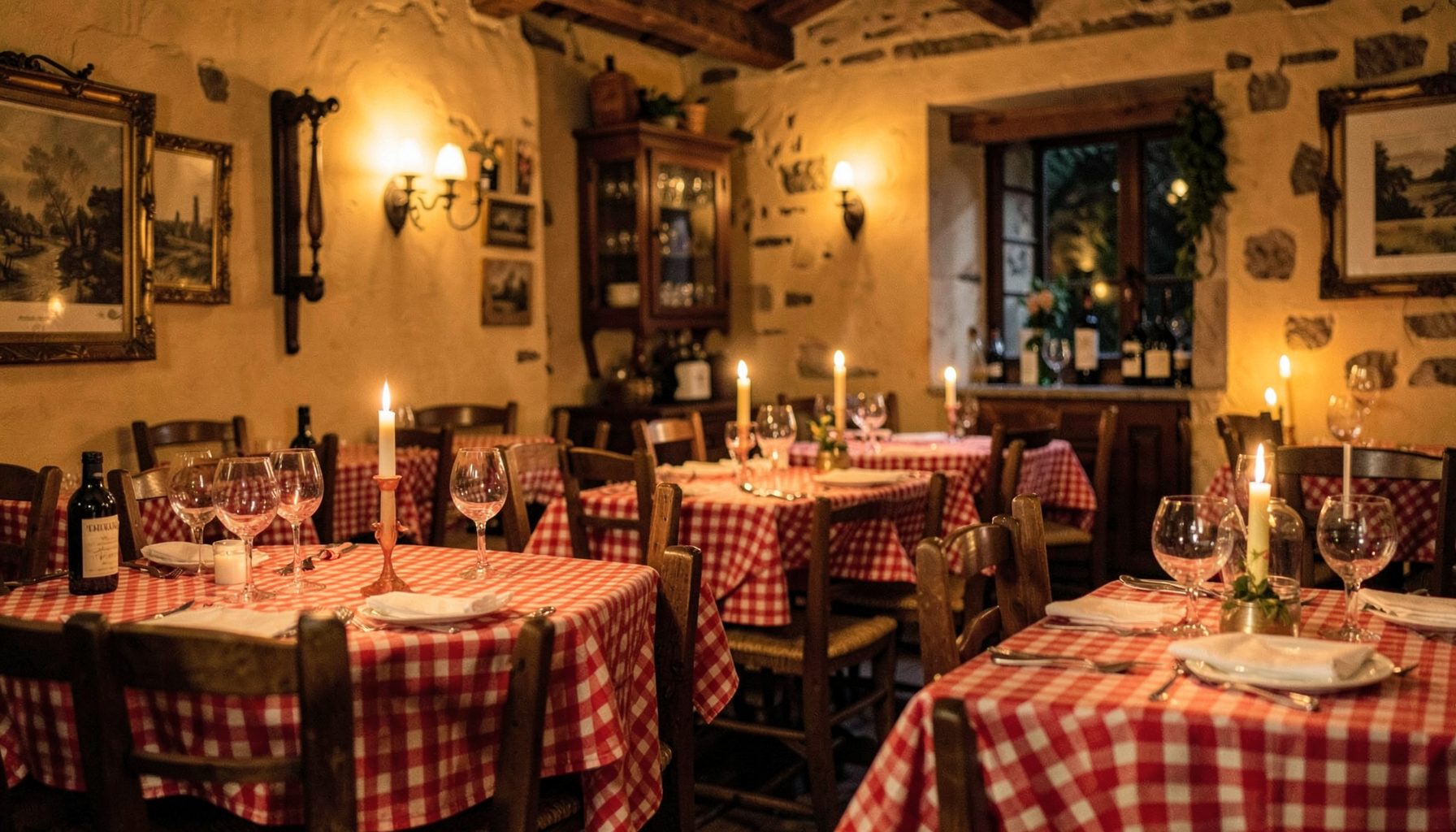
At Taverna Santi, the setting supports this kind of unhurried discovery: intimate, rustic surroundings, handmade dishes and wines chosen to complement seasonal produce. Guests arranging a celebration or seeking details about current dining experiences can plan a visit around the menu and the season. Whether the plate holds pumpkin ravioli, roasted delicata or a wood-fired squash with local herbs, the right Italian wine allows its sweetness, savoury depth and texture to remain clear.