Tasting Sonoma County Olive Oils the Honest Italian Way
In the rolling hills of Sonoma County, where vineyards and dairy farms have shaped the landscape for generations, a quieter agricultural story unfolds among the trees. Olives have been cultivated here since the Spanish missions of the late 1700s, but only in the last few decades have California-grown oils begun to earn serious respect on the international stage. Walk into a specialty store in Healdsburg or Sebastopol today and you'll find bottles labelled with the same pride that local winemakers reserve for their pinot noirs.
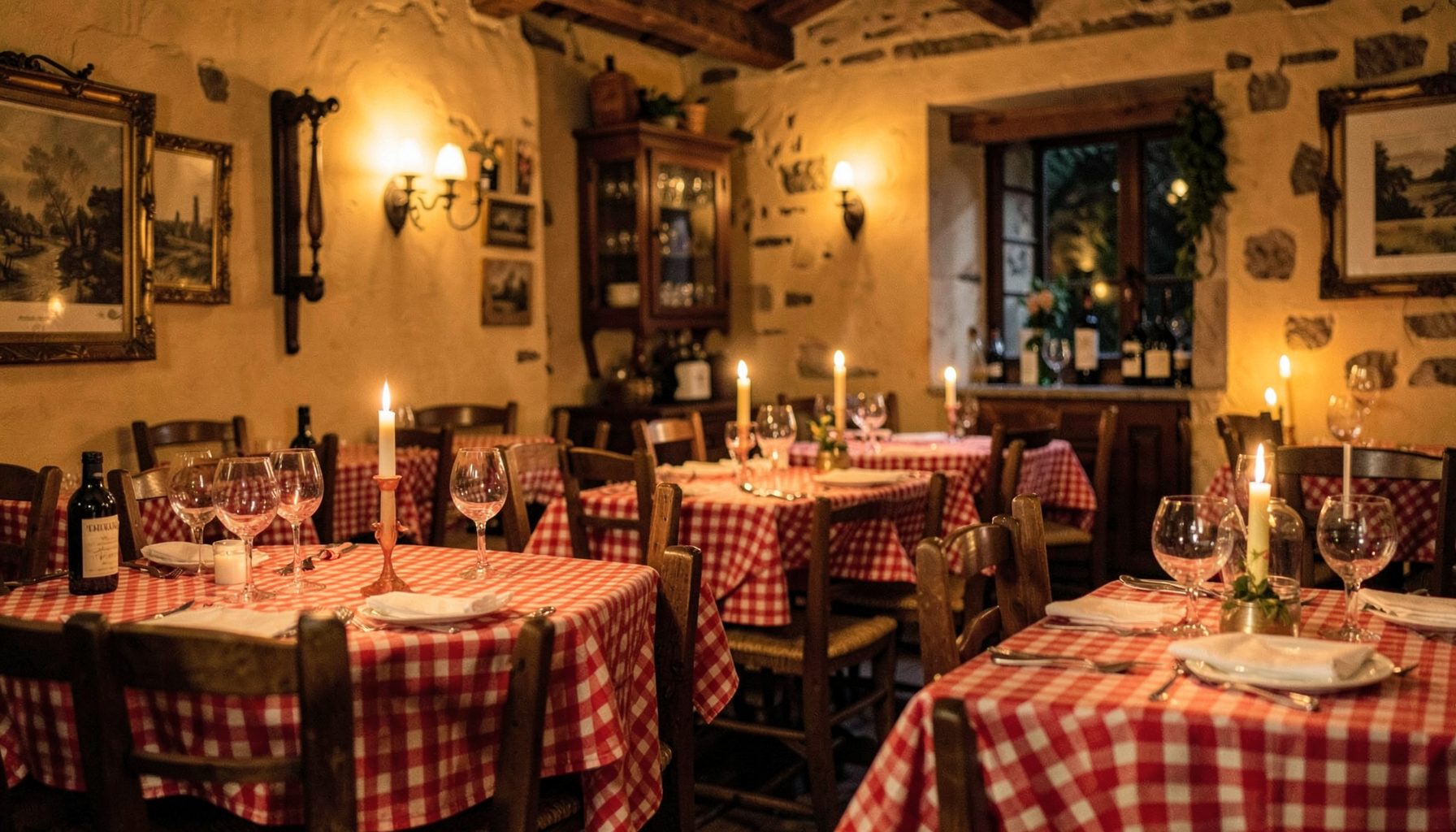
The connection to Italy runs deep. Many Sonoma producers descend from Tuscan, Ligurian, and Sicilian families, and their groves are planted with the same varieties that line the hillsides of Lucca and Bari. Techniques like cold-pressing within hours of harvest and storing oil in stainless steel under nitrogen are inherited from nonni who understood that olive oil is not just a cooking fat but a cultural artefact. That sensibility shapes how chefs at Taverna Santi approach every plate that leaves the pass.
Australians have good reason to pay attention. Across the ditch, the domestic olive oil industry has grown into something of a powerhouse, with brands like Cobram Estate supplying much of the country's extra virgin supply and collecting gongs at the New York International Olive Oil Competition. Australians already know how to taste wine, gin, and single-origin chocolate, so the leap into olive oil is a short one. The Sydney Royal Fine Food Show now hands out medals for oils, and farmers markets from the Mornington Peninsula to the Adelaide Hills run regular tastings.
What follows is a guide to the bottles worth seeking out, the technique that brings out their best, and the food that lets each one sing. Whether you're tasting in a Yarra Valley shed, a Melbourne laneway bar, or your own kitchen, the same principles apply.
The Sonoma Producers Worth Knowing
Sonoma County stretches from the Petaluma Gap to the Russian River, and within its boundaries sit a handful of estates that produce oils you can taste blind against the best imports. McEvoy Ranch, near Petaluma, plants Tuscan varieties on rocky hillside soil and presses fruit within four hours of harvest. The resulting oil has the bright, peppery finish that Italian tasters call "the cough" — a sign of high polyphenol content and freshly crushed fruit.
Further north, around Cloverdale and Hopland, smaller operations like The Olive Press and Figone's Italian Olives keep things in the family. Their oils tend to skew greener and more herbaceous, picked early in the season to capture grassy, artichoke-driven notes. In a side-by-side with a robust Sicilian, an Australian drinker might notice the Sonoma bottles lean toward almond, fresh-cut grass, and sometimes a hint of tomato leaf — flavours that come from the maritime climate and the granitic soils.
Late-harvest oils, picked after the fruit turns fully black, taste quite different. They tend toward riper, buttery notes: think banana, ripe olive, and a softer, almost sweet finish. The most awarded Sonoma bottles tend to fall between these two poles, picked at the moment when the fruit is half green and half purple — the so-called "invaiatura" stage. It's the same philosophy you'll find in the kitchen at Taverna Santi, where the team selects ingredients based on ripeness and seasonality rather than convenience.
Tasting Technique Borrowed from the Wine Bar
Australians are well-trained tasters, even if they don't always realise it. The swirl-and-sniff ritual familiar from wine tastings in the Barossa or McLaren Vale translates almost perfectly to olive oil. Pour about a tablespoon into a proper tasting glass (a small wine glass works in a pinch, though a blue or amber glass hides the colour and forces you to concentrate on the nose). Cup the glass in your hands to warm the oil to around 28°C, the temperature at which volatile aromatics open up.
Short, sharp inhalations through the nose will pull out the fruit and grass notes first. Then slurp a small sip, drawing air across your tongue as you would with a young shiraz. The finish should hit the back of your throat within ten to fifteen seconds — that peppery, sometimes throat-catching sensation is exactly what you want. Australian judges at the Royal Adelaide Olive Oil Competition grade oils partly on this intensity, and a flat, oily mouthfeel with no finish usually means the bottle is past its prime or has been stored badly.
Between oils, cleanse your palate with a slice of green apple or a small piece of plain bread. Water won't do the job because oil and water don't mix. A handful of raw unsalted almonds also resets the tongue, which is why many producers in both Tuscany and Sonoma serve a small dish of nuts alongside a flight. The whole exercise takes fifteen minutes, and once you've done it three or four times, you'll start to identify varietals the way you can pick a Hunter semillon from a Margaret River chardonnay.
What Different Sonoma Oils Actually Taste Like
Frantoio, the workhorse Tuscan variety, dominates many Sonoma groves. It produces a famously robust oil: think rocket, walnut skin, and a peppery kick that builds over a few seconds. Australians who enjoy big, bold reds will gravitate to it. Leccino, often blended with Frantoio, is gentler and more buttery, with notes of fresh hay and a softer finish that suits delicate seafood pastas or a simple bruschetta.
Mission olives, brought to California by the Spanish missionaries, are the oldest variety in the state. They yield a milder, slightly nutty oil that works beautifully in baking or as a finishing drizzle over roasted vegetables. The newer plantings of Spanish varieties like Picual and Italian newcomers such as Maurino and Coratina give producers room to experiment. Maurino, in particular, produces a beautifully aromatic oil with floral, almost perfumed notes — the sort of bottle that surprises people who think "olive oil" tastes like one thing.
Single-estate oils, pressed from one grove and one variety, give the clearest sense of place. Blends, sometimes called "field blends," combine olives harvested together from a mixed grove, and they tend to be more balanced and food-friendly. Both styles deserve a place in the pantry, and most serious tasters keep at least three on hand: a peppery one for drizzling over steak or grilled bread, a medium one for everyday cooking, and a delicate one for finishing fish or salads.
Pairing Olive Oils with Italian Food
A great oil can transform a dish without much else changing. Caprese salad, the simplest test of any Italian kitchen, becomes something else entirely when the olive oil is the star. A grassy, just-bitter oil complements ripe tomatoes and buffalo mozzarella the way a Margaret River cabernet handles a grilled lamb chop. A more delicate oil lets the dairy and fruit speak, while a peppery one adds its own voice to the chorus.
With handmade pasta, the choice matters more than most diners realise. A simple aglio e olio — sliced garlic, chilli, parsley, and a generous pour of good oil — is the ultimate test. The oil is the sauce, essentially, and a tired supermarket bottle will undo the dish. The same applies to a seafood linguine with prawns, where a fresh, herbal oil lifts the brininess of the shellfish.
In the kitchens of Taverna Santi, chefs treat olive oil the way an Italian nonna would: as the final, defining touch on a plate of handmade pasta or a wood-fired vegetable dish. They drizzle different oils depending on the season — a robust Frantoio in winter for hearty soups and grilled meats, a lighter Leccino or Maurino in spring and summer for delicate fish, crudo, and vegetable-focused plates. A visit to the restaurant offers a chance to taste how regional oils can change a dish, though a simple home tasting with two or three well-chosen bottles, a slice of sourdough, and a few ripe tomatoes will teach you just as much in twenty minutes.
Building Your Own Sonoma Tasting at Home
A home tasting doesn't require much. Three to five oils, a set of small glasses, plain bread, and a notepad are enough. Order bottles from Sonoma producers directly through their websites, or look for them at specialty importers in Sydney, Melbourne, and Brisbane. Many Australian shops now stock a few Californian bottles alongside the better-known Ligurian and Sicilian imports, and the price difference is usually small.
Choose oils with variety: one peppery Frantoio, one gentler Leccino, one late-harvest or single-estate bottle. Pour them in random order, label the glasses with numbers rather than names, and taste blind. You'll quickly learn that your palate has preferences you didn't know about — perhaps you lean toward softer oils, perhaps you want the throat-catch of a high-polyphenol Frantoio every time.
Keep notes. Date, producer, varietal, harvest year, and a few words on aroma and finish are all you need. Within a year you'll have a tasting journal that lets you reorder the bottles you love and skip the ones you don't. Australian olive oil enthusiasts often share their notes through local clubs and Instagram communities, where comparing impressions is half the fun. Treat the exercise the way you'd treat a wine tasting at your local bar: unhurried, curious, and with a sense of adventure.