Our autumn harvest: butternut squash lasagna with sage
Autumn arrives at Taverna Santi with the earthy sweetness of the harvest. In our Geyserville kitchen, butternut squash is roasted until its edges caramelise, then layered with fresh pasta, creamy cheese and fragrant sage. The result is a generous Italian dish that feels rustic, elegant and deeply connected to the Sonoma County landscape.
For Australian diners, the ingredient may be more familiar as butternut pumpkin. It is a staple at weekend markets and family tables from Melbourne to Brisbane, yet this lasagna gives it a distinctly northern Italian character. Each layer brings together the warmth of wood-fired cooking, the richness of handmade pasta and the savoury depth of locally grown produce.
The harvest behind the dish
Sonoma County’s autumn is a time of abundance. Vineyards move towards the end of their growing season, farmers bring in squash and late vegetables, and the surrounding hills take on a golden colour. Our menu follows that rhythm, favouring ingredients that are at their best rather than forcing a fixed collection of dishes throughout the year.
Butternut squash is especially suited to this approach. Its dense flesh roasts beautifully, developing a concentrated sweetness while retaining enough structure for a layered bake. We select squash from local growers whenever possible, working with farmers whose methods respect the soil, the water supply and the long-term health of the land.
Australian guests may associate autumn with March, April and May, when cooler evenings encourage slow cooking and hearty meals. In Sonoma, the harvest season falls later in the calendar, yet the feeling is familiar: a table shaped by the weather, the farm and the pleasure of sharing food at its most generous.
Why butternut squash and sage belong together
The pairing has deep roots in Italian cooking. Sage brings a warm, savoury perfume to sweet vegetables, especially when gently fried in butter or olive oil until the leaves become crisp. Its pine-like fragrance balances the squash without overpowering its natural flavour.
In the lasagna, roasted pumpkin forms the heart of the filling. We may blend part of it into a smooth purée while leaving some pieces whole, creating contrast between silken and tender textures. A little nutmeg, black pepper and aged cheese add savoury complexity, while fresh sage keeps the dish bright and aromatic.
The pasta sheets provide a delicate framework rather than a heavy covering. Made by hand, they cook into soft layers that hold the squash, cheese and sauce together. The finished bake is substantial enough for a cool evening but carefully balanced, with sweetness, salt, fragrance and a lightly crisped top.
From the pasta bench to the wood fire
Every component receives attention before the lasagna reaches the oven. The squash is roasted rather than boiled, so its flavour remains concentrated. The pasta is rolled thinly, and the cheese is selected to melt smoothly while contributing a gentle savoury finish.
Our wood-fired cooking adds another layer of character. The heat encourages the edges to brown and gives the lasagna a subtle toasted quality, echoing the flavour of roasted seeds and browned butter. It is the kind of dish that arrives at the table bubbling at the edges, fragrant with sage and ready to be served in generous portions.
The essential elements of this autumn bake include:
- Roasted butternut squash or butternut pumpkin
- Fresh handmade pasta sheets
- Sage warmed in butter or olive oil
- Ricotta, béchamel or another softly creamy element
- Aged Italian cheese for seasoning and gratin
- Black pepper, nutmeg and a touch of garlic
The exact preparation can shift with the harvest. A particularly sweet squash may need less seasoning, while a firmer variety might benefit from a longer roast. This flexibility is part of seasonal cooking: the recipe provides a direction, while the produce determines the final expression.
A vegetable-led expression of Italian cooking
This lasagna reflects the Italian tradition of making vegetables the centre of the plate. Meat is not required to create depth when the cooking is thoughtful. Roasting, browning, herbs, cheese and good pasta provide enough richness for a dish that feels complete and satisfying.
The approach also suits the way many Australians cook at home. At Sydney’s Carriageworks Farmers Market or Melbourne’s Queen Victoria Market, seasonal vegetables often inspire the meal before any recipe is chosen. A basket of pumpkin, silverbeet, herbs and fresh cheese can easily become the starting point for a long lunch or a relaxed family supper.
At Taverna Santi, we keep the supporting ingredients restrained so the squash remains recognisable. A bitter leaf salad, roasted brassicas or simply dressed local greens can bring freshness beside the lasagna. The meal gains balance from contrast rather than excess.
Pairings for a relaxed autumn table
Regional Italian wines are natural companions for a dish with sweetness from roasted squash and richness from cheese. A bright white wine can cut through the creamy layers, while a light-bodied red brings savoury warmth without masking the sage. The best pairing depends on the vintage, the final sauce and the mood of the table.
For guests joining us from Australia, the same principles apply when choosing a local bottle. A cool-climate Chardonnay from Tasmania or the Yarra Valley can offer freshness and gentle texture. An Adelaide Hills Pinot Noir may bring earthy fragrance, while a dry Victorian rosé can keep the meal lively in warmer conditions.
Consider these accompaniments when building the meal:
- Crisp green leaves with lemon and extra-virgin olive oil
- Roasted radicchio or Brussels sprouts for a pleasantly bitter edge
- A dry Chardonnay, Pinot Noir or regional Italian white
- Toasted hazelnuts or pumpkin seeds for crunch
- A simple dessert of baked pear, apple or fresh ricotta
- Espresso or a small glass of amaro after dinner
The dish also works beautifully as part of a shared table. Smaller portions can sit alongside wood-fired vegetables, handmade gnocchi or an autumn salad, allowing each guest to taste several expressions of the season. For a private gathering, the lasagna makes a welcoming centrepiece that can be prepared in advance and finished close to service.
From Sonoma harvests to Australian tables
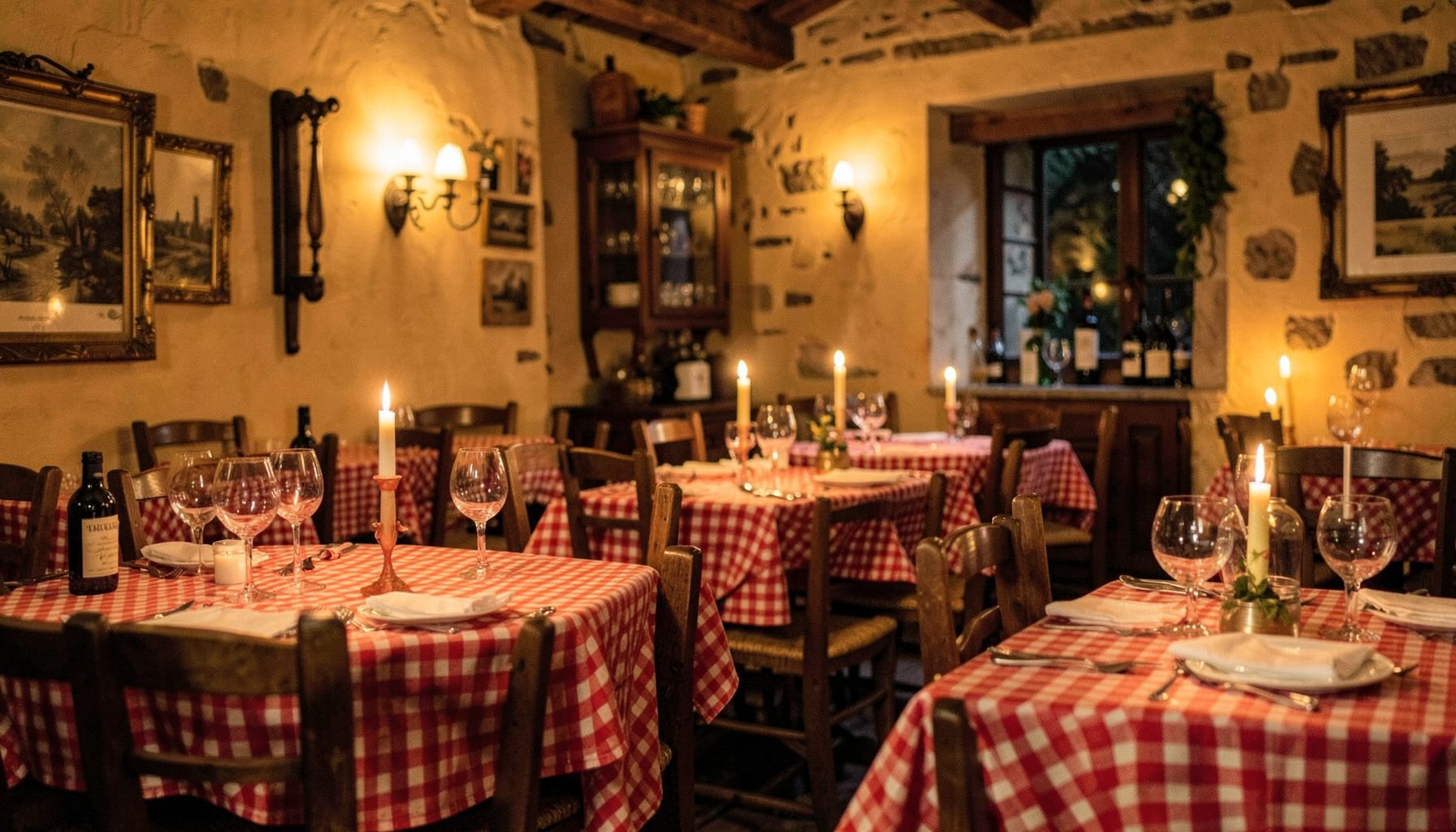
Food carries its sense of place through more than ingredients. It comes from the pace of preparation, the growers behind the produce and the way a dish is served. At Taverna Santi, the intimate dining room and rustic setting encourage guests to slow down, share plates and notice the details in a meal.
That spirit feels familiar in Australia, where long lunches, neighbourhood trattorias and farmers market cooking are woven into everyday food culture. An autumn dinner in Adelaide can begin with produce from the Central Market; a gathering in Brisbane may turn a cooler evening into an excuse for a generous baked dish; a Melbourne table might pair handmade pasta with a bottle chosen from a small local producer.
Butternut squash lasagna with sage brings these traditions together. Its foundation is Italian, its produce belongs to the Sonoma harvest, and its welcome is universal. It is a dish made for conversation, a second serving and the lingering aroma of sage after the last plate has been cleared.
Seasonal cooking gives the lasagna its identity. The squash may vary in sweetness, the herbs may be especially vivid, and the wine may change from one visit to the next. What remains is the care behind the layers: local ingredients treated with respect, classic technique used with restraint and a table prepared for sharing.