Meet the farmers behind Sonoma’s seasonal kitchen
At Taverna Santi in Geyserville, the menu begins well before the first pot is placed on the stove. It starts in the gardens and fields of Sonoma County, where growers follow the rhythm of the seasons, watch the weather closely and harvest produce when it has reached its best. Their work gives the kitchen its colour, fragrance and sense of place.
For Australian diners, this relationship with local farmers may feel familiar. A Saturday morning at Melbourne’s Queen Victoria Market, a visit to Adelaide Central Market or a stop at Sydney’s Carriageworks Farmers Market can turn shopping into a conversation about soil, rainfall and ripeness. The calendar is different in California, yet the pleasure is much the same: knowing where ingredients come from and meeting the people who grow them.
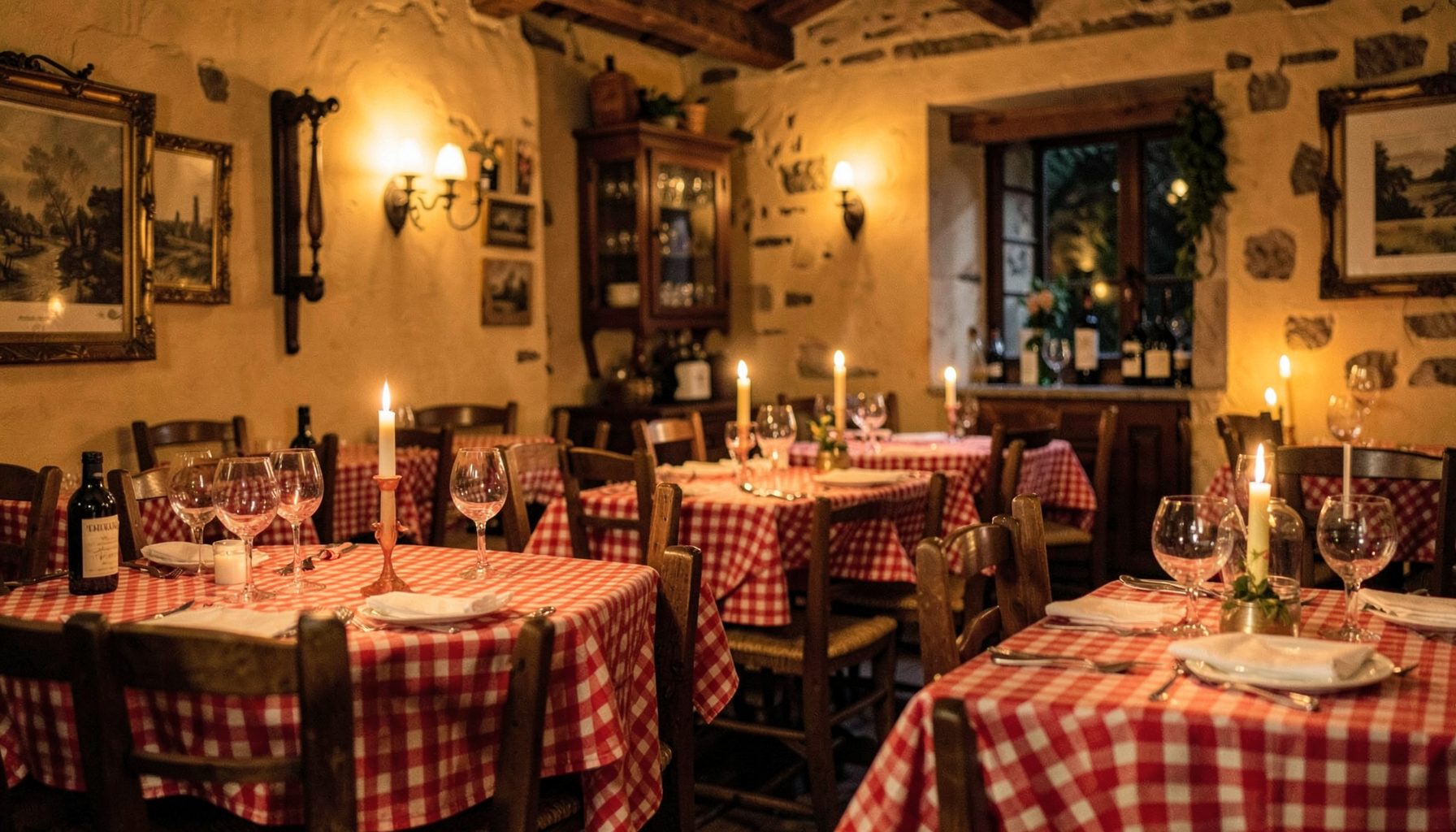
At Taverna Santi, locally sourced vegetables, handmade pasta, wood-fired dishes and regional wines come together in an intimate rustic setting. The result is Italian food shaped by Sonoma’s farms rather than separated from them. Each plate carries a small record of the landscape, from a cool-season brassica to a summer tomato warmed by the sun.
The garden sets the menu’s pace
Seasonality is more than a changing list of ingredients. It determines the texture, colour and balance of a dish. Tender spring peas might be folded through fresh pasta, while late-summer eggplant can take on a smoky sweetness in the wood-fired oven. In autumn, sturdy greens, squash and roots bring depth to the table as the evenings grow cooler.
This approach requires flexibility. Farmers cannot promise the same harvest every week, and a chef who cooks with local produce must be ready to adjust. A planned dish may change when a crop ripens early, a spell of heat affects leafy vegetables or a grower arrives with an especially beautiful crate of beans.
That responsiveness is central to Italian cooking. Traditional regional recipes often began with what was available nearby, using technique to draw out the best qualities of a modest ingredient. Sonoma’s gardens offer the same invitation: start with what is fresh, then let the cooking provide clarity rather than disguise.
Conversations that begin at the farm gate
The relationship between kitchen and grower is built through regular contact. Chefs learn which beds are producing well, how a farmer prefers to harvest delicate herbs and which varieties perform best in the local climate. Farmers, in turn, gain a clear understanding of how their produce will be handled, cooked and served.
These conversations influence decisions long before service. A grower may recommend a particular pepper for roasting, suggest using young leaves before they mature or explain why a smaller squash has better flavour than a larger one. Such knowledge helps the kitchen respect every ingredient and reduce waste.
Taverna Santi’s approach to local vegetable sourcing reflects this close connection. Choosing nearby produce supports Sonoma agriculture while giving the cooks ingredients with freshness that is difficult to reproduce through long-distance supply chains.
What a close farm relationship makes possible
- Vegetables can be selected for flavour, freshness and the way they will be cooked.
- Farmers can grow distinctive varieties suited to the kitchen’s needs.
- Menus can respond naturally to rainfall, temperature and harvest conditions.
- Shorter journeys help preserve delicate herbs, greens and ripe fruit.
- Kitchen teams can use more of each crop, including stems, leaves and trimmings.
From Sonoma soil to an Italian plate
The journey from garden to dining room is careful but uncomplicated. Produce arrives in quantities that suit the day’s service, and cooks inspect each delivery for ripeness, firmness and aroma. A tomato is not treated like a root vegetable, and a tender herb does not receive the same preparation as a robust green.
Italian techniques provide a useful language for expressing these differences. A vegetable may be dressed with good olive oil and vinegar, slowly braised, grilled over live fire or combined with grains and pasta. The aim is to preserve the character of the ingredient while adding warmth, savouriness and contrast.
Wood-fired cooking is particularly effective for Sonoma produce. High heat concentrates natural sugars in onions, carrots and squash, while a touch of smoke gives mushrooms and brassicas a deeper edge. The same oven that cooks a handmade flatbread can bring a garden harvest to the table with very little interference.
For Australian guests, the idea has an easy point of reference. A shared meal built around produce from a nearby farm feels familiar whether it is served in a Melbourne neighbourhood restaurant, at a long lunch outside Hobart or during a relaxed Sunday gathering in Brisbane. The setting changes, but generosity and freshness remain at the centre.
Farming with the seasons in mind
Sustainability is expressed through practical choices rather than grand statements. Buying from nearby growers can reduce transport distances, while cooking seasonally encourages the use of abundant produce at its natural peak. When the menu changes with the harvest, the kitchen is less dependent on forcing one ingredient to appear all year.
Respect for resources also extends to preparation. Vegetable tops may become a pesto, stalks can enrich a stock and roasted skins may add depth to a sauce. These small decisions matter because they acknowledge the work invested in every crop, from planting and irrigation to harvesting and packing.
Sonoma County’s agricultural identity is closely tied to its soil, vineyards, orchards and diverse growing conditions. A restaurant that works with local farmers becomes part of that broader food community. It helps keep money circulating through the region and gives diners a direct way to experience the character of the place.
Ingredients worth noticing through the year
- Spring peas, young greens, fennel and flowering herbs bring brightness and delicacy.
- Summer tomatoes, peppers, beans, zucchini and eggplant suit grilling and wood-fired cooking.
- Autumn squash, grapes, mushrooms and hearty greens add sweetness and depth.
- Winter roots, brassicas and citrus provide richness, freshness and colour.
- Preserved vegetables, dried beans and pantry staples carry seasonal flavour forward.
A shared table for growers and guests
Meeting a farmer changes the way a diner sees a plate. A bunch of carrots becomes evidence of careful thinning and harvesting. A bowl of beans reflects decisions about soil health, planting time and water. Even a simple salad can hold the story of a particular field and the people who tend it.
That story is part of the experience at Taverna Santi, where private events, tastings, seasonal suppers and chef-led demonstrations create room for food to be discussed as well as eaten. Guests can discover how an ingredient was selected, why a preparation suits the season or how a traditional Italian method brings out a local crop.
For Australians used to planning around market days and seasonal availability, this style of dining feels both thoughtful and relaxed. It recalls the pleasure of carrying fresh produce home from a farmers market, choosing fruit by aroma and asking a stallholder what is best that week. The restaurant extends that feeling into a considered meal.
The farmers’ work may happen away from the dining room, yet it remains present in every course. Sonoma gardens supply the raw materials; the kitchen gives them shape; guests complete the journey by sharing the food around a table. That connection is what makes seasonal Italian cooking feel grounded, generous and distinctly local.