Local honey: how we use it in savory and sweet dishes
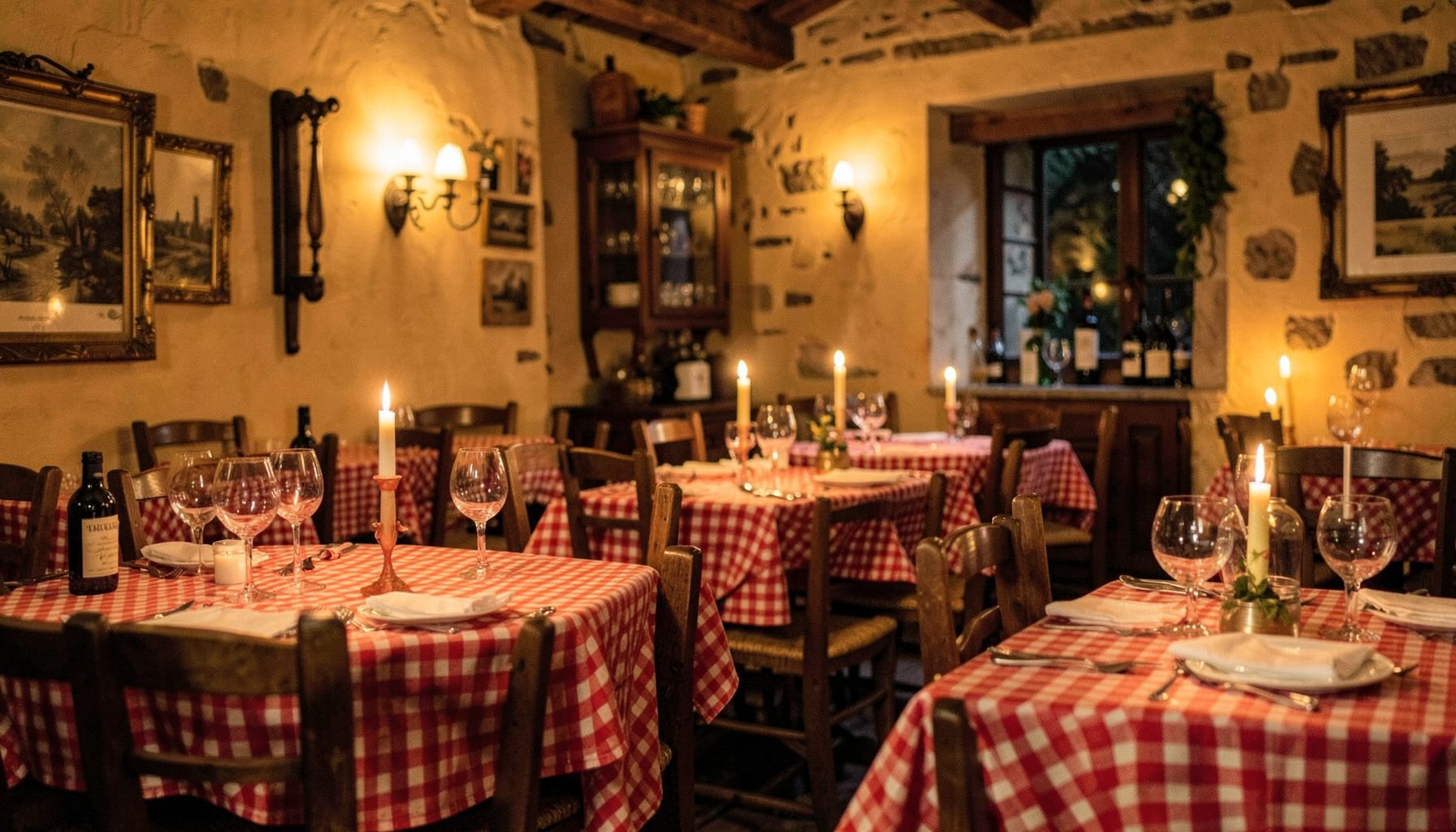
At Taverna Santi in Geyserville, honey is an ingredient with a sense of place, not simply a sweetener. We use small amounts from nearby hives to carry the character of Sonoma County into food cooked over flame. The same care suits Australian kitchens, where regional honey ranges from delicate wildflower blends to dark, mineral jarrah.
Australian cooks already meet it in familiar places: a spoon over porridge, toast or yoghurt, a jar from a Saturday farmers’ market, and bottles lined up at independent grocers in Melbourne, Sydney, Adelaide and Brisbane. These everyday encounters reveal why honey is so useful across savoury and sweet recipes.
Our approach is to treat sweetness as a balancing element. We add honey after high heat, preserve its floral aroma, and balance it with vinegar, citrus, salt or chile. The result should support the main ingredient rather than announce the honey itself.
From hive to kitchen
Bees move among orchards, vineyards, wildflowers and garden plants, so honey records the season as much as the hive. We source seasonal jars from local beekeepers, then keep the honey unblended when a single floral character is needed. That relationship fits our broader emphasis on local farms and careful sourcing. Colour is a guide rather than a rule: pale honey may be gently floral, while darker varieties can taste of caramel, herbs or warm spice.
In Australia, that idea translates easily to jarrah from Western Australia, yellow box from New South Wales and blue gum from Victoria. A wildflower jar may change with the season, making the vintage and apiary useful details for cooks. We also accept that good honey can crystallise; gently warming it in a water bath restores its pour without flattening its aromas.
Savoury glazes and wood-fired richness
Honey works beautifully in glazes because it catches on a hot surface, forming a lacquer that resists drying. We brush it into a pork shoulder near the end of roasting, with cider vinegar and mustard, so the meat gains a dark, bittersweet edge while the centre stays juicy. The same glaze can deepen charred chicken or lamb without becoming a sugary coating.
On the wood oven, honey plays a quieter role with carrots, fennel and squash. A little added after roasting draws out their sweetness, then vinegar or lemon pulls the plate back toward savoury balance. The technique reflects agrodolce, the Italian habit of setting sweetness against acidity. Done properly, it adds depth and colour rather than a candy-like finish.
Vegetables, pasta and balanced heat
Vegetables also show how raw honey can support, rather than cover, primary flavours. We spoon it over roasted beetroot with orange and pepper, or fold a teaspoon into sage butter for pasta. With bitter greens, its rounded sweetness softens the edge; with chilli, it slows the heat enough for other flavours to register.
In handmade pasta, honey can help a sauce cling, but restraint matters. A restrained drizzle beside ricotta-filled ravioli, or in a sauce of brown butter, lemon and sage, keeps the dish composed. We taste at every stage and ask a simple question: does the honey make the ingredients clearer, or does it flatten them?
Sweet dishes with a honey finish
On the sweet side, we use honey to flavour rather than merely sweeten. It loosens a panna cotta, seasons a fruit granita, or forms a light glaze over a ricotta tart. Because its flavours change with the flowers visited by the bees, the same recipe may need a little less sugar and a little more adjustment as the honey changes.
Seasonal Australian fruit offers a useful parallel. Strawberries and berries suit a floral honey; apricots, peaches and nectarines bring out its warmer notes. A thin layer over soft cheese or yoghurt is enough for breakfast, and a spoonful stirred into ice cream turns the same jar into a simple finishing ingredient.
Honey, wine and the shared table
Honey also changes how we think about wine. A floral Sauvignon Blanc works with honey-glazed poultry and herby vegetables, while a bright, lightly chilled red can handle pork shoulder and a fruit-led dessert. The goal is shared intensity: sweetness in the food should point toward the glass, not overpower it.
Regional wines served here follow the same logic, and so do our tastings and seasonal suppers. For larger celebrations, atmosphere matters as much as the menu; this guide to designing a welcoming lounge offers useful ideas about comfortable shared spaces. We apply that principle to private events and chef-led demonstrations, keeping the flow relaxed and giving conversation room between courses.
Bringing local honey into Australian kitchens
Australian shoppers have a strong local market for honey, but labels still deserve attention. Under the Food Standards Code and Food Standards Australia New Zealand labelling rules, food sold as honey must meet the legal definition, while added sugars or syrups cannot be presented as pure honey. Imported jars also require clear country-of-origin information, so an Australian apiary and an imported product should not be confused.
At a honey tasting, conversation naturally extends into other shared activities. If a host includes a number-based game after dinner, a clear Keno ticket explained basics reference can explain the format before play begins. It is separate from our food programme, but good hospitality is the same: plain instructions, clear boundaries and no pressure to join.
- Buy from an apiary, farmers’ market or independent grocer, and ask about the apiary, region and harvest season.
- Match intensity to the dish: mild wildflower for fruit and yoghurt, robust jarrah for glazes and aged cheese.
- Store sealed honey at room temperature; use warm water if it crystallises rather than heating it aggressively.
- Add honey late in roasting or after cooking to preserve its more delicate aromas.
- Balance each teaspoon with acidity, salt or chile, then taste before adding more.
- Read the ingredients and origin statement; terms such as “raw”, “natural” or “local” do not by themselves establish provenance.
At Taverna Santi, the best measure is coherence: the honey should taste connected to its place, the season and the dish. That principle travels well from our Sonoma kitchen to Australian market stalls and home tables.