Sonoma cheese and Italian wine pairings for the curious palate
The rolling hills of Sonoma County produce some of the most expressive dairy in the western United States, shaped by cool Pacific fog, mineral-rich pasture, and the patient hands of small producers. Pairing these cheeses with the right bottle of Italian wine turns a simple board into a conversation between two landscapes. For Australian diners, the conversation feels especially relevant right now, because the antipodean calendar is sliding toward harvest celebrations while Sonoma prepares for a winter of cellared wheels and slow-aged rounds.
Australia's import market has matured into one of the most wine-savvy consumer bases outside Europe, and importers in Sydney and Melbourne now stock single-vineyard Barolo alongside aged Sonoma cheese from cult producers like Bellwether and Redwood Hill. Whether you are planning a long lunch in Adelaide, a tasting night in Brisbane, or simply stocking the fridge ahead of a Perth weekend, the principles of pairing remain constant: match fat with tannin, match salt with acidity, and let the story of each region speak for itself.
Why Sonoma dairy pairs beautifully with Italian wine
Sonoma's cheesemakers draw on the same grass-fed, low-input farming principles that define modern Italian agriculture. Both traditions favour seasonal grazing, small herds, and a focus on terroir over volume. The result is cheese with bright acidity, clean grass notes, and enough salinity to stand up to the structured reds of Piedmont or the aromatic whites of Friuli.
The climatic symmetry matters more than many diners realise. Sonoma's marine layer functions much like the Adriatic breeze that cools the Venetian lagoon, allowing milk to carry herbal and floral complexity. Australian sommeliers trained through programs like AWITC or the WSET's Sydney campus often remark that the structural profile of a Sonoma tomme mirrors an aged Asiago, which makes the cross-cultural pairing feel intuitive rather than forced.
For home cooks planning a seasonal menu, looking at how local producers build their pasta dishes can unlock ideas that transfer directly to a cheese plate. The same attention to wood-fired heat and seasonal produce that shapes a bowl of wild mushroom risotto at the Sonoma farm table can guide how you balance cream, salt, and umami in a cheese course at home.
Regional Sonoma cheeses worth knowing
Several Sonoma creameries have built reputations that rival European benchmarks. Cow's milk wheels from the Sebastopol region carry nutty, brothy depth after eight to ten months of ageing, while goat cheeses produced near Petaluma develop a chalky tang that softens into honeyed richness as the seasons turn. A few names anchor any serious local cheese board.
- Redwood Hill Farm's aged goat crottin, with a wrinkled rind and lactic snap
- Bellwether Farms' whole-milk ricotta and basket-aged Crescenza
- Tomales Farmstead's raw-milk wheels, finished with native sea salt
- Valley Ford Cheese Company's high-fat mozzarella and cultured butter
- Bleating Heart's Fat Bottom Girl, a washed-rind wheel with a meaty bite
- CCW's sheep milk pecorino-style loaf, rubbed with olive oil and rosemary
Australian diners will recognise the parallels to local producers like King Island Dairy in Bass Strait or Bruny Island Cheese in Tasmania, where pasture diversity creates similarly complex milk. The ACCC's Country of Origin labelling rules make it easier for shoppers in Melbourne's Queen Victoria Market or Sydney's Paddy's Markets to trace provenance, but the flavour logic of grass, sea air, and patient ageing translates across hemispheres.
Italian wines that frame the conversation
Italian wine offers a wider stylistic range than many diners expect. Beyond the famous Barolo and Chianti classics, regions like Etna, Friuli, and Alto Adige produce bottles whose mineral lift and salinity mirror the grass-fed notes of Sonoma dairy. A few pairings sit at the centre of any good board.
- A chilled Soave Classico with fresh goat cheese and young cow's milk mozzarella
- A mature Barbaresco alongside aged Sonoma tomme and chestnut honey
- A dry Friulano from Collio with washed-rind wheels and bitter greens
- An Etna Rosso of Nerello Mascalese with sheep milk pecorino and fennel salami
- A late-harvest Vermentino or passito dessert wine with blue-veined cheese
- A sparkling Franciacorta with triple-cream wheels and toasted hazelnuts
The common thread is balance rather than dominance. Italian wines tend to carry enough acidity and structure to slice through fat without overwhelming the delicate milk flavours that Sonoma cheesemakers work so carefully to preserve.
Building a tasting at home
A thoughtful home flight begins with temperature. Pull cheeses from the fridge an hour before serving so the fats soften and the aromatics open. Arrange them in a tasting order that moves from mild to intense: fresh curd first, washed-rind in the middle, aged and blue cheeses last. This progression prevents palate fatigue and lets each wine speak clearly.
For an Australian audience, sourcing decisions often start at independent retailers like Melbourne's Blackhearts and Sparrows, Sydney's P&V Wine + Liquor, or Brisbane's Wine Cellar. Many of these shops stock both Sonoma farmstead selections and small-batch Italian imports, offering food pairing suggestions within the guidance of FSANZ food safety standards.
Pair each cheese with one wine, poured at the correct service temperature. Whites between 8 and 10°C, light reds around 14°C, and structured reds like Barolo closer to 16°C. Encourage diners to taste the cheese first, sip the wine, then reverse the order to see how each shapes the other. A simple bread and unsalted butter course between pairings cleanses the palate without competing for attention.
Hosting a cheese and wine evening
Hosting a cheese and wine gathering allows the host to turn a meal into a regional conversation. Begin with a welcome pour of sparkling Franciacorta alongside a basket of warm bread, then move through three pairings spaced twenty minutes apart. Space the courses to allow conversation, and consider pairing each cheese with a single tasting pour rather than a full glass, which keeps guests alert and curious.
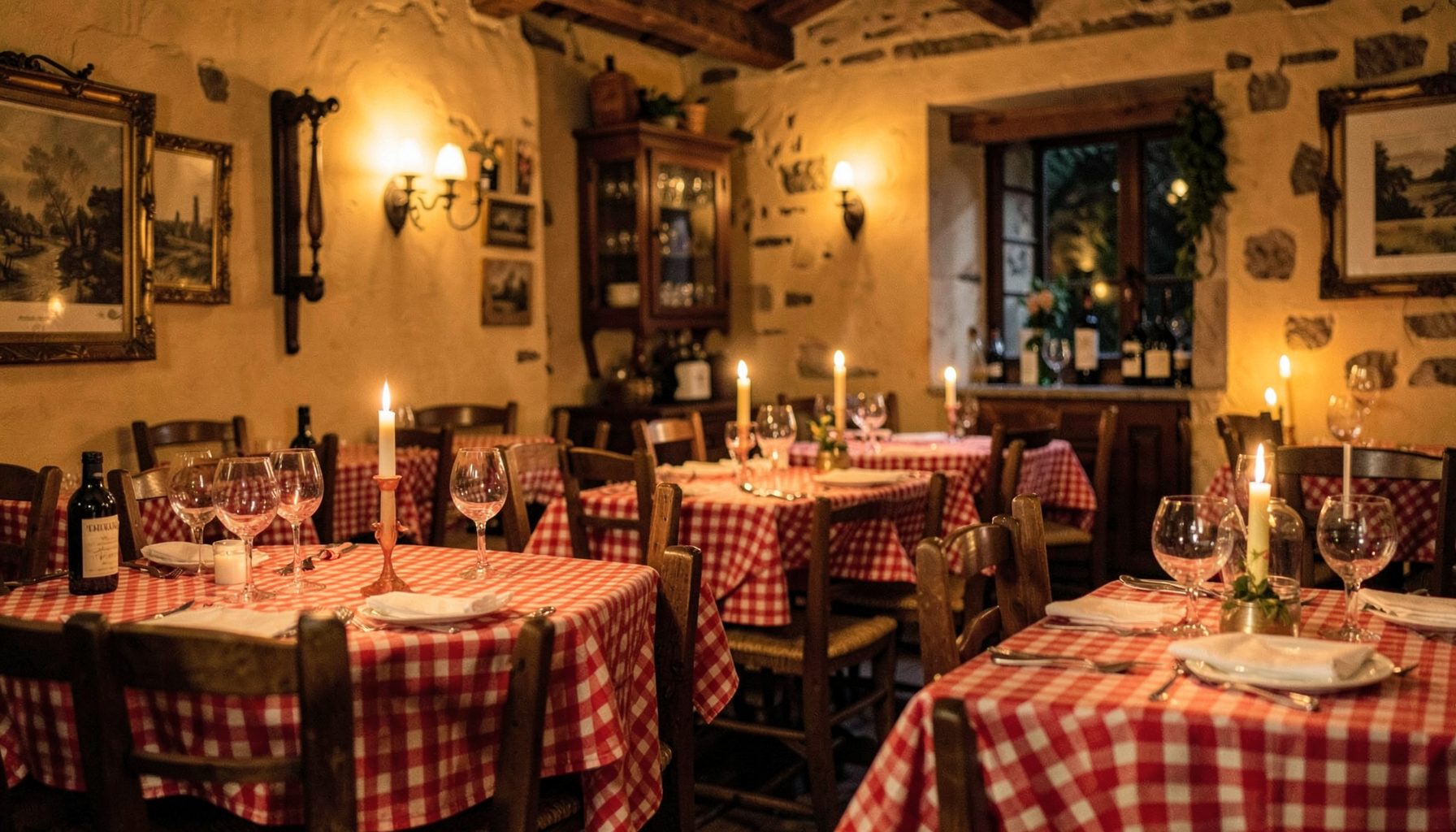
Lighting matters more than most hosts expect. Soft, warm light allows the visual texture of the rind and the colour of the wine to do their work, while bright kitchen fluorescents flatten both. A few unscented candles, linen napkins, and a wooden board help signal that the experience is meant to slow down. Outdoor settings work beautifully in Brisbane or Perth during the warmer months, where a patio table under string lighting creates a relaxed tone. In Melbourne or Hobart, a lounge room fires the kitchen through the cool autumn evening and gives the cheese a gentle warming that releases its aromatics.
Treat the gathering as a chance to learn from your guests. Australian hosts often discover new Italian labels through friends who have travelled, and Sonoma cheeses arrive more reliably through local distributors each year. Bringing both traditions to one table invites a shared curiosity that turns an ordinary evening into a memorable one shaped by two distant landscapes meeting over a single board.