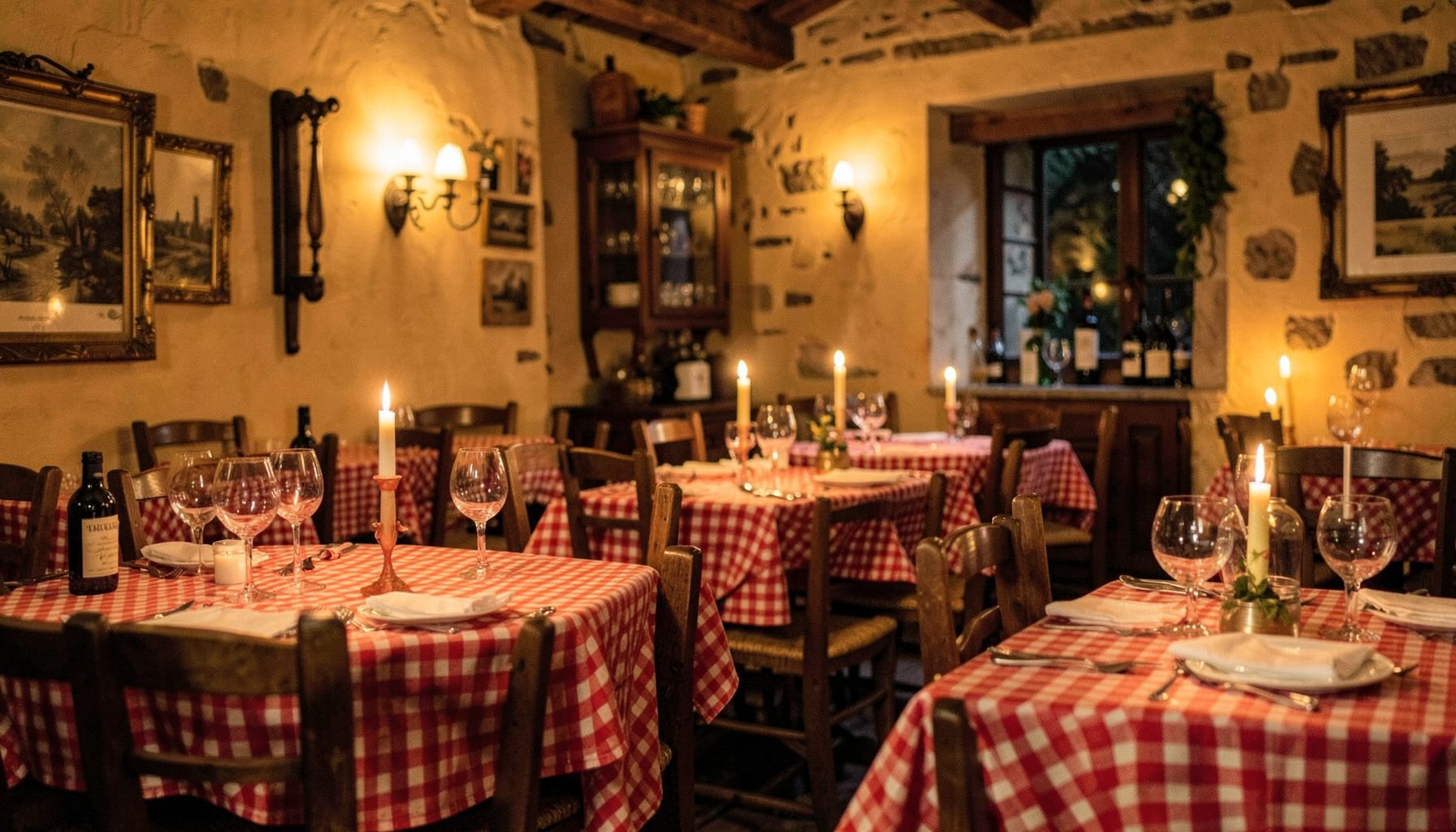
Root-to-stem cooking at Taverna Santi
A vegetable rarely ends where the recipe says it does. Carrots have fragrant tops, fennel has delicate fronds, and a cauliflower offers leaves, stalks and a compact central core alongside its familiar florets. At Taverna Santi, we look at the whole plant before deciding how it should be prepared.
This root-to-stem approach reflects the practical traditions of Italian cooking, where resourcefulness and flavour are closely connected. Vegetable scraps become broths, sturdy leaves take to the wood fire, and tender stems can bring freshness to handmade pasta or a seasonal antipasto.
For diners in Australia, the idea feels familiar. Local markets, community gardens and home vegetable patches have long encouraged cooks to use what is available at its best. Whether shopping at Queen Victoria Market in Melbourne, a growers’ market in Sydney or a weekend stall in the Adelaide Hills, the most useful ingredient is often the part that gets overlooked.
The whole plant starts with the season
Seasonality gives root-to-stem cooking its direction. A vegetable is not treated as a fixed ingredient available in the same form all year; its flavour, texture and usable parts change as it grows. Young beetroot leaves may be soft enough for a salad, while larger leaves are better wilted with garlic and olive oil.
This is especially important in Sonoma County, where nearby farms provide a wide range of produce throughout the year. Cool-weather greens, spring peas, summer tomatoes, autumn squash and winter brassicas each invite a different approach. The kitchen follows the crop rather than forcing every vegetable into a standard preparation.
Australian diners understand this rhythm through the country’s distinct growing regions. Asparagus from Victoria, citrus from South Australia, leafy greens from Tasmania and tropical produce from Queensland arrive according to their own calendars. A seasonal menu can therefore feel both local and constantly changing.
Flavour lives in the overlooked parts
The green tops of carrots and radishes can be transformed into a bright herb sauce, much like a rustic Italian pesto. Combined with toasted nuts, olive oil, lemon and aged cheese, they add a grassy note to roasted roots or handmade pasta. Their flavour is often more concentrated than expected, particularly when the leaves are very fresh.
Broccoli stalks and cauliflower stems have a firm, sweet centre once their rough outer layer is removed. Thinly sliced, they can be marinated or shaved into a salad. Cut into larger pieces, they can be roasted until browned, simmered into a purée or folded through a vegetable ragù.
Fennel stalks and fronds bring aniseed freshness to seafood, beans and braised dishes. Celery leaves can season a soffritto, while leek greens add depth to stock. These parts are not decorative extras; they offer different textures and flavours from the main vegetable and help create a dish with greater dimension.
Italian techniques make frugality generous
Italian cooking has a long history of turning modest ingredients into satisfying food. A pot of ribollita can make use of sturdy greens and day-old bread. Pasta e ceci gains substance from chickpeas, stock and aromatic vegetables. Minestrone changes according to what is growing, with no strict list of required ingredients.
At Taverna Santi, these principles work alongside handmade pasta and wood-fired cooking. Vegetable leaves can be charred over high heat, then dressed with good olive oil and vinegar. Roots may be roasted until their sugars deepen, while trimmings bring savoury character to a broth used for grains, sauces or pasta dough.
The result is not food that feels restricted or overly worthy. Careful cooking turns inexpensive or overlooked parts into something generous, layered and distinctly seasonal. The technique gives each component a purpose, whether it appears in the centre of the plate or quietly supports the sauce beneath it.
From peelings to stocks and sauces
A vegetable stock does not need to be complicated, but it does need balance. Clean onion skins, leek tops, herb stems, mushroom stalks, carrot ends and celery leaves can be collected gradually, provided they are fresh and free from soil or decay. The mixture is simmered gently so the liquid stays clear and aromatic.
Some scraps are best used selectively. Beetroot peelings can dominate a stock with earthy sweetness, while cabbage trimmings may become sulphurous if cooked for too long. Good kitchen practice means separating strong flavours and matching each part with a suitable use rather than treating every scrap as interchangeable.
The finished broth can form the base of a risotto, soup or braise. It can also be reduced into a sauce for roasted vegetables. In a professional kitchen, this creates a useful cycle: farmers’ produce is valued more fully, flavour is built from ingredients already on hand, and less edible material is sent to landfill.
Wood fire gives leaves a second life
Wood-fired cooking is particularly effective for vegetable parts with a sturdy structure. Cauliflower leaves blister at the edges while remaining tender near the stem. Leek tops become smoky and sweet. Outer cabbage leaves can be charred, layered with beans or grains, and served with a sharp dressing to balance their richness.
Heat also changes the way diners perceive familiar ingredients. A turnip top may seem too fibrous when raw, yet become silky after blanching and grilling. Pumpkin seeds can be toasted for crunch, while squash skins soften in the oven and contribute colour and texture when the variety is suitable.
The wood fire adds another layer of character without requiring heavy seasoning. A little smoke, salt and acid can make a plate of leaves feel complete. This approach suits the rustic atmosphere of Taverna Santi, where the cooking remains connected to flame, farm produce and the natural structure of each ingredient.
Preserving abundance beyond the harvest
Using every part of a vegetable also means finding ways to preserve its peak. Excess herbs can be blended with oil or folded into a fresh pasta filling. Green beans can be pickled, tomatoes dried, and fruit or vegetable stems incorporated into relishes. Preservation extends the life of the harvest without pretending that every ingredient is available in every season.
Fermentation can bring further complexity to vegetable trimmings. Radish tops, cabbage cores and beetroot can be salted and fermented when handled carefully. Their bright acidity can cut through creamy sauces, roasted roots and rich wood-fired dishes.
For Australian home cooks, this practical approach is useful during periods of abundance. A glut of zucchini from a backyard garden or a generous box from a community-supported farm can become pickles, soups, sauces and preserved garnishes rather than a short-lived surplus. The aim is to respect the produce at the moment it is most plentiful.
Small habits create a lower-waste kitchen
Whole-vegetable cooking depends on simple decisions made before the pan is heated. Buying from growers, storing leaves separately from roots and using sturdy parts first can protect both flavour and freshness. A radish lasts longer when its tops are removed, while the greens can be washed, dried and used promptly.
The method also encourages a closer relationship with farmers and suppliers. At a restaurant, conversations about crop size, weather and harvest timing can reveal which parts are abundant or particularly good that week. Those details influence the menu and help prevent an excess of one ingredient from becoming waste.
A few useful habits for an Australian kitchen include:
- Wash edible leaves and stems as soon as practical, then dry them thoroughly before refrigeration.
- Keep a labelled container for clean vegetable trimmings intended for stock or soup.
- Blanch tough greens before sautéing, grilling or folding them into pasta fillings.
- Use carrot tops, celery leaves and herb stems in sauces, dressings and finishing oils.
- Roast suitable skins and stalks alongside the main vegetable to build texture and colour.
- Match preservation methods to the ingredient, using pickling for freshness and slow cooking for tougher parts.
A plate with a fuller sense of place
Root-to-stem cooking makes a meal feel connected to its surroundings. The vegetable carries traces of the soil, the season and the people who grew it, while the preparation reflects the techniques used to bring out its best qualities. A plate may include roasted roots, crisp leaves, a silky purée and a broth made from parts that might otherwise be discarded.
That sense of place can travel across culinary traditions. An Australian diner may recognise the same values in a market box from the Yarra Valley, a suburban herb garden or a farmers’ stall near Brisbane: buy well, cook carefully and waste little. At Taverna Santi, those values meet Italian regional cooking, Sonoma produce and the warmth of a shared table.
Every part of a vegetable offers a different expression of the plant. When those parts are treated with attention, a meal becomes more resourceful, more flavourful and more faithful to the season.