How to taste wine like a sommelier: A beginner’s guide
A sommelier’s work is partly technical, but its useful core is wonderfully simple: notice, describe, compare. Tasting is not about producing expert jargon or guessing a grape variety. It is about paying close attention to what is in the glass and building a vocabulary that helps you decide what you enjoy.
Beginners often focus on the label, then rush to judge sweetness or strength. A better routine starts with appearance, moves through aroma, and ends with the wine’s structure and finish. Each stage answers a different question, so separating them makes a glass easier to understand.
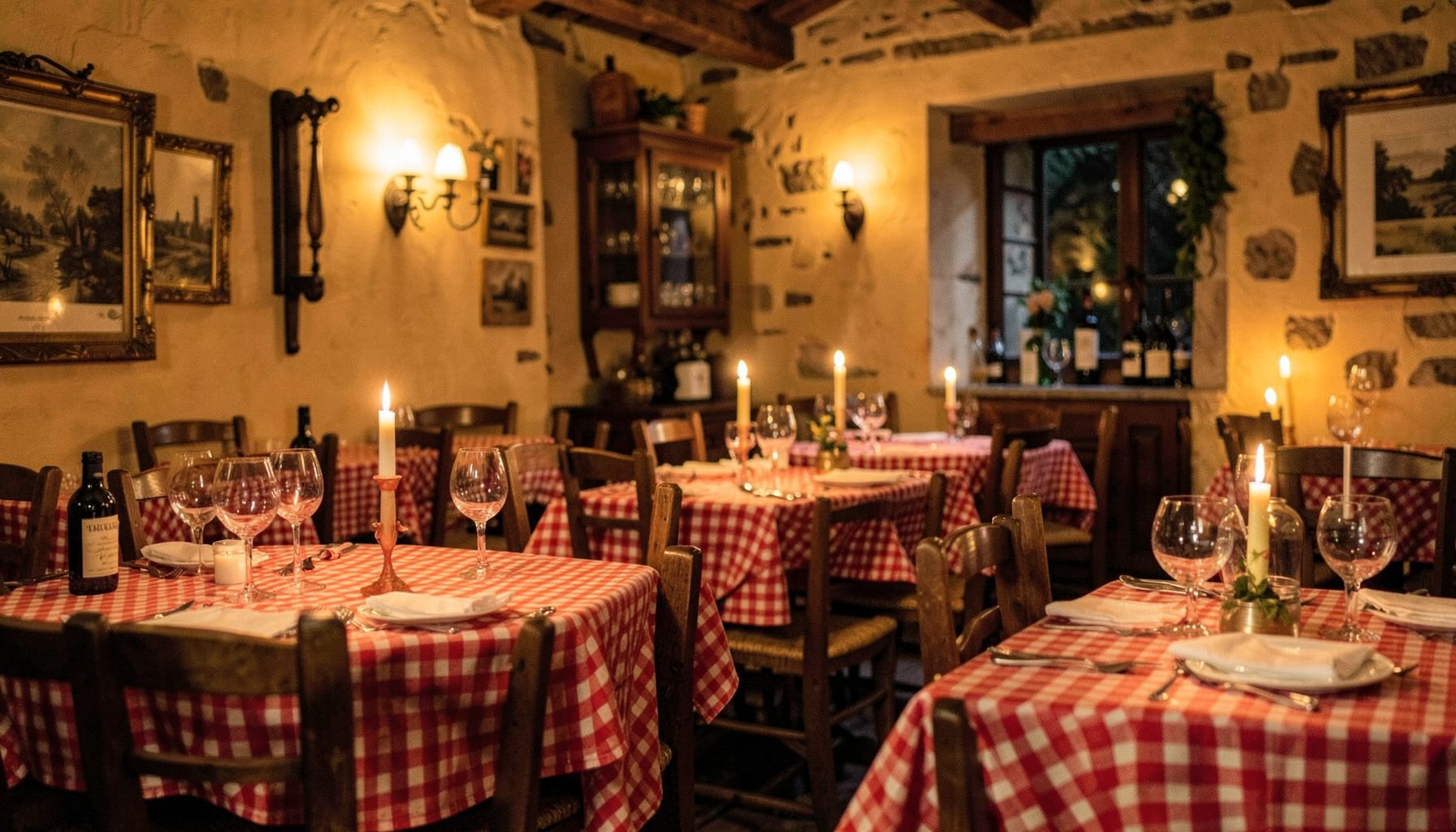
This approach works with Australian supermarket wine, a pub pour, a cellar-door flight, or a regional bottle opened at dinner. It also prepares you for the attentive wine service found at Taverna Santi in Sonoma, where food, setting and careful observation all shape the experience.
Begin with sight and the glass
Hold the glass by its stem so your hand does not warm the wine or obscure its aroma. View it against a white background in good natural light, then examine clarity, colour, intensity and apparent viscosity. The familiar term “legs” describes streaks on the glass, but it does not prove that a wine is high quality.
Pour only what you will drink during the tasting, especially when several wines are lined up. Very old wines may need careful decanting because prolonged exposure to air can weaken their delicate aromas. A young, tannic red may benefit from a little air, but decant according to the wine rather than treating every bottle alike.
- Clarity: Look for brightness and transparency; haze can indicate a fault unless the style is deliberately cloudy.
- Colour depth: Pale straw, lemon, ruby and deep garnet offer useful reference points within a style.
- Viscosity: Tears and streaks give a rough indication of body, though alcohol and sugar also affect them.
- Condition: Check whether the colour appears youthful, mature or unexpectedly brown.
Smell before you name the wine
Start with a relatively dry glass, then bring the wine close and sniff without swirling. After a few unhurried aromas emerge, gently swirl the glass and smell again. This releases volatile compounds and helps separate delicate notes from the first burst of fruit or oak.
Describe what you actually perceive rather than reaching for a grape variety. Notes might include lemon, apple, blackberry, violet, herbs, pepper, vanilla or earth. Fruit and flower aromas are often primary, while yeast, oak and ageing contribute secondary and tertiary aromas. Oak is not automatically better, and a bottle marked “reserve” does not guarantee greater complexity.
Australian wines offer an excellent place to practise. A Barossa Shiraz might show blackberry and plum, while Hunter Valley Semillon can emphasise citrus and green apple. The goal is not to decide whether your description matches a winemaker’s tasting note, but to notice whether the aromas make the wine appealing.
Taste structure rather than simple preference
Take a small sip and let it move across the palate. Notice how the wine enters, whether the middle feels concentrated, and how the flavours change toward the finish. Length matters, but balance matters more: a long finish cannot rescue a wine that feels disjointed, while a simple wine can be thoroughly enjoyable.
Identify the main structural elements as they appear. Acidity creates freshness and lift; tannin produces drying or gripping sensations; alcohol contributes warmth; residual sugar affects sweetness; and body describes weight and texture. A dry wine is not the same as a neutral one, since acidity, tannin and aroma can give a wine plenty of personality.
During a formal flight, taste from lighter to fuller styles, moving from dry to sweet and young to mature. Spit or pour out the remainder if you need to stay alert or sample several wines. A standard Australian wine pour is commonly 150 millilitres, although pubs, restaurants and tasting rooms may serve smaller or larger measures.
Read an Australian bottle in context
An Australian label is a map rather than a guarantee. It may identify the grape variety, vintage, region and producer, leaving you to judge the actual wine. Familiar starting points include Semillon from the Hunter Valley in New South Wales, Shiraz from the Barossa in South Australia, Cabernet Sauvignon from Margaret River in Western Australia, Pinot Noir from the Yarra Valley in Victoria, and Riesling from Tasmania.
Notice the language Australians use. “Shiraz” and “Syrah” name the same grape, but the spelling often signals a distinctly Australian style and makes the wine easier to recognise on a crowded shelf. Screwcaps are also common. They preserve freshness, make lower-impact production more practical and do not indicate inferior quality.
The wine market works in several familiar ways. Bottleshops and supermarkets provide everyday retail, while pubs often welcome a BYO bottle, sometimes for a corkage fee, and restaurants sell wine by the glass or bottle. At a cellar door, a tasting flight lets you compare several wines from one producer or region without buying full bottles. For an arvo of relaxed discovery, tasting rooms in the Hunter, Barossa, Margaret River and Tasmania each offer a different regional perspective.
Match wine with an Italian plate
Wine and food work best when their weight, acidity, sweetness and texture complement one another. High-acid wines refresh a rich sauce, tannin meets protein rather than overwhelming delicate fish, and bubbles cut through fried or creamy dishes. Sweetness can soften heat, but a dry wine should not be made to imitate a dessert pairing.
Taverna Santi’s seasonal handmade pasta, vegetable-focused plates, wood-fired dishes and regional Italian wines provide a natural setting to practise. Notice whether the wine seems brighter beside an acidic tomato sauce, firmer alongside grilled meat, or more aromatic beside a richly savoury mushroom dish. If you want extra meal-planning inspiration, Village Pie can help translate these principles into everyday food choices.
- Tomato-based pasta: A medium-bodied red with enough acidity can echo the sauce without overwhelming fresh herbs.
- Roasted mushrooms and vegetables: Earthy, savoury wines suit the dish’s depth, while brighter whites preserve its vegetable character.
- Fried starters: A crisp sparkling wine or dry, lightly chilled white provides contrast to the oil.
- Grilled or braised mains: A structured red can handle smoke,char and savoury sauces, especially when the food is not excessively sweet.
Make every tasting count
A repeatable routine is more useful than an elaborate vocabulary. For each wine, record three aroma words, one textural observation, one structural observation and your overall preference. Keep those notes brief enough to use in a restaurant or bottle shop, where a page of technical detail can distract from the pleasure of drinking.
Comparison teaches the palate faster than isolated tasting. Taste two examples side by side, rinse your mouth with water or plain bread, and return to the first glass. You may notice that the more aromatic wine tastes softer, or that a high-acid wine seems fuller than it did alone. Such observations are more valuable than assigning a universal score.
Restaurants and tasting events offer a useful third setting for this education. At Taverna Santi in Geyserville, hosted tastings, seasonal suppers, private celebrations and chef-led demonstrations connect regional wines with Italian food and traditional techniques. Sonoma’s landscape also encourages comparison across nearby appellations, much as Australian diners can compare wines from the Hunter, Barossa, Margaret River, Yarra Valley and Tasmania. The consistent rhythm of looking, smelling, sipping, comparing and remembering turns every bottle into a practical conversation about flavour, structure and pleasure.