Hosting a private celebration with a custom menu
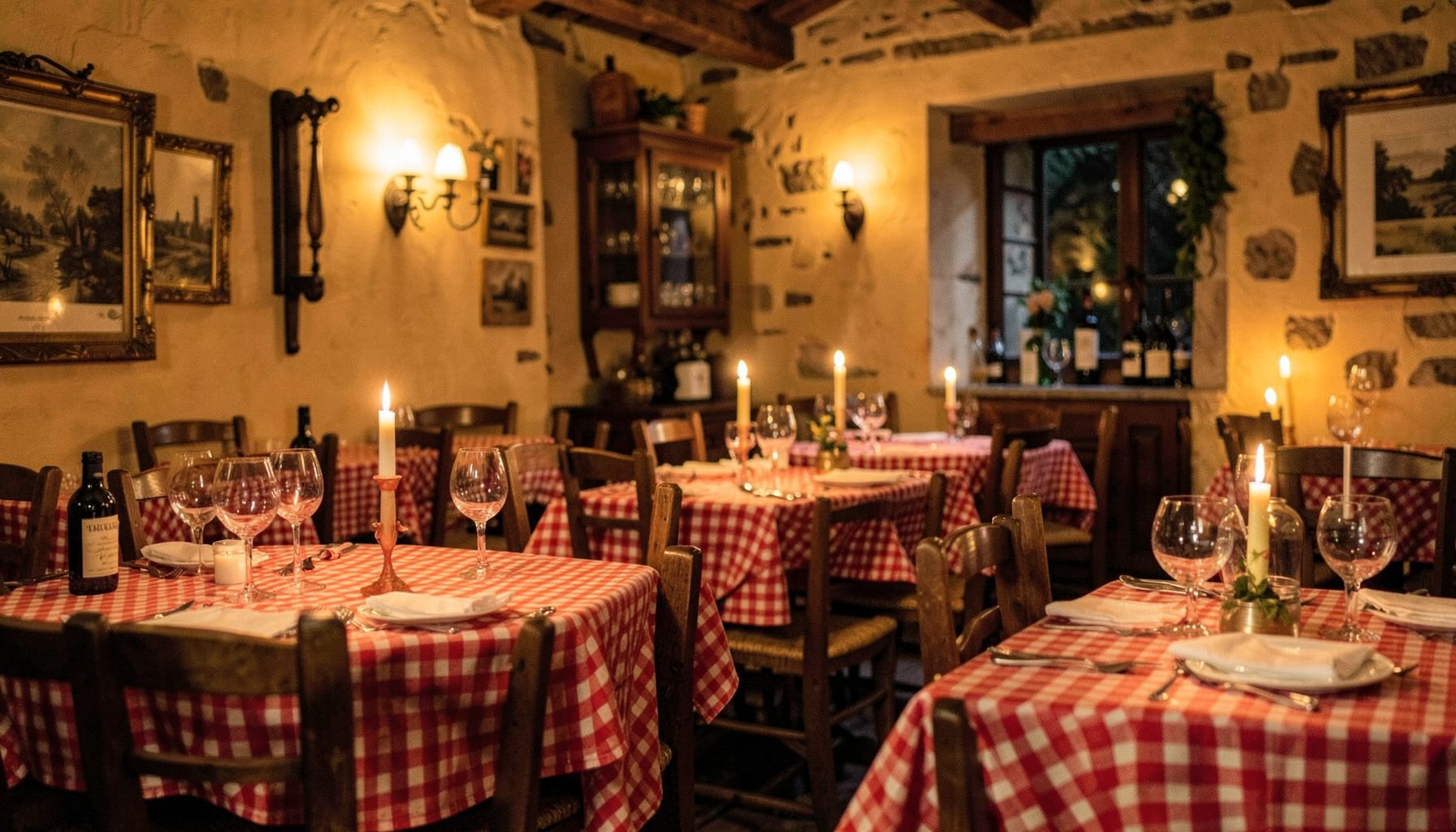
Hosting a private celebration calls for a table that feels considered, generous and suited to the people sharing it. At Taverna Santi in Geyserville, rustic surroundings and seasonal Italian cooking create a natural setting for birthdays, anniversaries, engagements and reunions. A bespoke menu can reflect the occasion while keeping the emphasis on handmade pasta, wood-fired dishes, vegetables and produce arriving from nearby Sonoma County farms.
The best custom menus develop from a clear idea of the evening rather than a fixed set of courses. They can move between shared plates and more composed moments, include alternatives for dietary requirements and leave room for conversation. Private events, seasonal suppers, tastings and chef-led demonstrations all benefit from close communication between the hosts and the kitchen, with regional wines and thoughtful service built around the chosen menu.
Begin with the shape of your gathering
Start with the rhythm of the event rather than the number of dishes. A standing reception calls for lighter bites and drinks that keep the room moving, while a seated dinner supports a slower menu and more formal conversation. Some celebrations naturally suit a long afternoon gathering, and others need a single, uninterrupted evening around the table.
Australian hosts often build social occasions around long lunches, communal dishes and an unhurried aperitivo, a custom here for the early-evening gathering with a drink in hand. That rhythm translates well to a Sonoma escape, whether guests are visiting from Melbourne, Sydney, Brisbane or Adelaide. The useful planning point is how much time the celebration should occupy, then the menu can match that pace.
Guest numbers and service style also determine how a menu is built. A shared pasta course may suit a larger group, while a seated tasting for eight needs more individual pacing and precise wine service. Share a final count early enough for the kitchen to plan, then allow a small buffer for late acceptances where the format allows it.
Build a menu around the occasion
A useful framework is to define the first taste, the centre of the meal and the final shared plate. For a casual birthday supper, this might mean antipasti, handmade pasta, a wood-fired main and a communal dessert. An anniversary dinner can place the finest seasonal ingredient at the centre, supported by restrained courses and a wine pairing selected for depth rather than novelty.
Vegetable-focused plates should be treated as a centrepiece, not an afterthought. The kitchen’s vegetable-led approach can carry a menu through spring and summer, while pasta, legumes and wood-fired preparations can provide warmth and substance. Vegetarian, vegan and allergy-sensitive guests should be identified during RSVPs, allowing the team to design suitable alternatives without making anyone feel singled out.
The pacing matters as much as the content. A menu with too many arrivals feels busy, while too few can make a celebration feel unfinished. Tasting menus suit curious groups and formal milestones; family-style feasts suit conversational tables; a chef-led demonstration can turn the preparation itself into part of the entertainment. Each route can still follow the restaurant’s seasonal, locally sourced philosophy.
Let the season lead the ingredients
Sonoma County gives the menu a strong sense of place. Vegetables, herbs and fruit change through the year, and the kitchen’s emphasis on local farmers allows those arrivals to shape the dishes. This approach has a familiar counterpart in Australia, where shoppers regularly check Saturday farmers’ markets and independent grocers for peak-season produce. Translating that market awareness into a celebration menu keeps the food fresh, specific and connected to its source.
Sustainability is most credible when it affects real decisions. Menus can limit over-purchasing, favour ingredients that are in season and make use of every edible part of a vegetable where the recipe permits. The host can ask the kitchen to explain the farms or producers behind particular dishes, turning provenance into part of the evening rather than a line of marketing copy. Seasonal details may change as the event approaches, which is a benefit of a menu designed around live produce.
Match wine to food and atmosphere
Regional wine provides another way to express the setting. Sonoma’s landscape supports a broad range of styles, and a well-chosen list can move from sparkling or light whites through a pasta-friendly red to a final pour suited to the main course. Italian varietals can work beautifully with handmade pasta and wood-fired food, while the menu remains anchored in California rather than relying on familiar imported labels.
Australian dinner culture often places wine at the centre of a shared meal, so the pairing should feel generous and unhurried. A tasting-style flight suits a group that wants to compare regions, while a shorter list keeps the service relaxed. For events with non-alcoholic guests, alcohol-free pours deserve the same care in temperature, texture and presentation. At Taverna Santi, California licensing and house policies govern alcohol service; any licensed or BYO arrangements outside the restaurant must be checked in the relevant jurisdiction.
Plan timing, guests and legal details
Reserve the date early, especially for Saturdays, summer holidays and milestone dates. Australian public holidays and school calendars often shape travel and attendance, so confirm the proposed date against invitations from Melbourne, Sydney or other cities before finalising the menu. For guests crossing the Pacific, flights commonly arrive through San Francisco or Oakland; allow time for the date-line change, ground transport to Sonoma and a night to settle before a celebration meal.
RSVPs should gather meal preferences, allergy details, access needs and the final guest count in one place. A shared response form prevents missed answers and gives the kitchen dependable information for purchasing and preparation. It is also worth confirming whether children are attending, whether speeches are planned and whether the group wants a plated dinner, shared courses or a demonstration-led format.
Alcohol rules are not uniform across Australia. New South Wales, for example, operates under the Liquor Act 2007 and responsible-service requirements, while other states and territories use separate licensing regimes; rules for service areas, takeaways and minors can differ. If the celebration includes a home gathering before or after the Sonoma dinner, the host must check the local law rather than assuming an interstate arrangement applies.
Menu directions for different celebrations
The following directions offer a starting point for conversations with the restaurant. The kitchen can adapt portions, pacing, dietary alternatives and wine service once it understands the occasion, the number of guests and the mood of the evening. A flexible framework creates room for seasonal produce without losing the purpose of the celebration.
Each list below focuses on a different part of the experience: food composition and service format. Choosing one direction usually produces a clearer brief than asking for every available dish, and it helps the team create a menu with a coherent rhythm.
Food-led menu directions
- Handmade pasta supper: Build the meal around fresh pasta, a seasonal sauce and a polished vegetable side, with optional wine pairings.
- Wood-fired celebration: Feature a wood-fired main with charred seasonal produce, rustic sides and a communal table for sharing.
- Vegetable-led tasting: Let several vegetable preparations lead the menu, supported by lighter pasta and carefully chosen regional wines.
- Family-style Italian feast: Serve antipasti, two shared pasta dishes, a substantial main and a final plate designed for passing around the table.
- Chef-led seasonal menu: Pair a demonstration with a progression of dishes revealing the produce, technique and local growers behind each course.
Service-style menu directions
- Long-lunch gathering: Choose a leisurely menu with pasta as the centre and a relaxed wine list suited to extended conversation.
- Standing celebration: Offer concise antipasti, wood-fired bites and vegetable plates that can be enjoyed without lengthy seated service.
- Formal anniversary dinner: Use composed seasonal courses, an individual main and a final wine or non-alcoholic pairing with a ceremonial feel.
- Small tasting group: Build an intimate menu with multiple courses and comparative regional wines, allowing the chef to explain each pairing.
- Flexible private event: Mix shared and plated elements, with alternatives selected once dietary requirements and guest numbers are confirmed.
A celebration menu succeeds when every course supports the mood of the gathering. Seasonal food, regional wine, attentive pacing and a warm, intimate room can make a private dinner linger well beyond the final course.