Exploring Russian River Valley wines through an Italian lens
Russian River Valley is one of California’s most expressive wine regions, shaped by cool Pacific mornings, foggy afternoons and warm, bright growing days. Its most recognised bottles are Pinot Noir and Chardonnay, yet the appellation also rewards curiosity with graceful sparkling wine, old-vine Zinfandel, Syrah and aromatic white varieties.
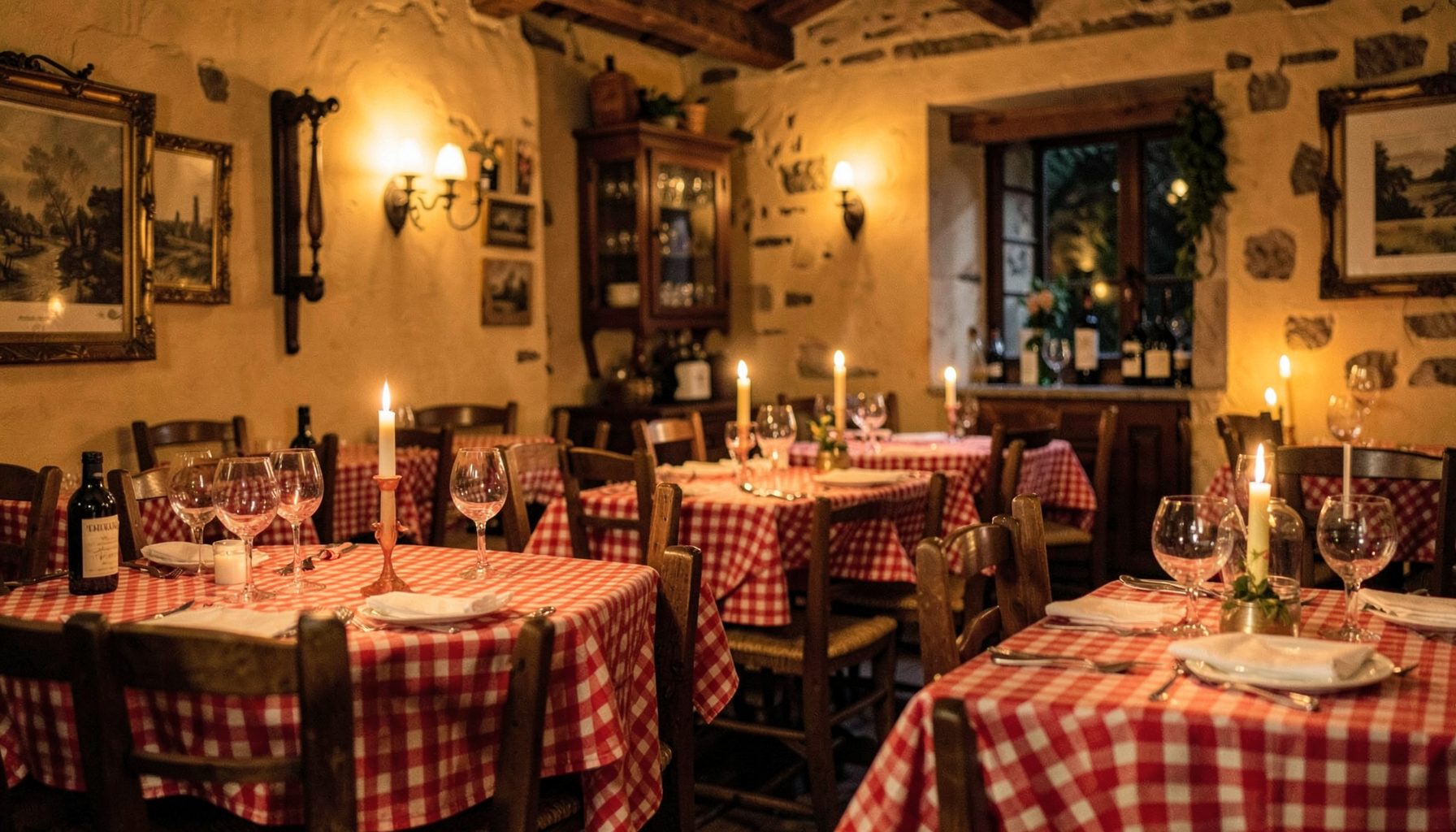
At Taverna Santi in Geyserville, this diversity feels especially natural alongside seasonal Italian cooking. Handmade pasta, wood-fired dishes and vegetable-led plates create a useful setting for understanding how Russian River wines behave at the table, rather than judging them only by tasting-room impressions.
Why the valley produces such distinctive wine
The Russian River Valley stretches across a varied landscape in Sonoma County, with vineyards influenced by coastal air moving inland through the Petaluma Gap and the river corridor. Fog slows ripening, helping grapes retain acidity while developing ripe fruit flavours. The result can be a Pinot Noir with both red-fruit perfume and savoury structure, or a Chardonnay with richness balanced by a clean, mineral finish.
Subregional differences matter. Green Valley of Russian River Valley is especially cool and well suited to Chardonnay and Pinot Noir, while the Middle Reach is generally warmer and can produce fuller-bodied reds. Laguna Ridge often gives Chardonnay a rounded texture, and hillside vineyards add concentration. A sommelier will usually ask where a bottle comes from before making broad claims about its style.
For Australian drinkers, the comparison may be useful. Russian River Pinot Noir can share the fragrant, silky appeal of a Yarra Valley example, while its Chardonnay may recall the brightness of the Adelaide Hills with a more generous Californian fruit profile. It is a different climate story from Margaret River Cabernet or Hunter Valley Semillon, and that contrast makes a mixed tasting more revealing.
The sommelier’s shortlist for a first tasting
A first flight should begin with wines that show the valley’s range without overwhelming the palate. A traditional-method sparkling wine sets a lively opening, followed by a cool-climate Chardonnay, an elegant Pinot Noir and a more savoury red such as Syrah or old-vine Zinfandel. Serving wines from leanest to richest keeps the progression clear.
Established names such as Rochioli, Williams Selyem, Merry Edwards and Iron Horse are useful reference points, although smaller producers can offer compelling value and a more transparent sense of place. Look for restrained oak, fresh acidity and moderate alcohol if the aim is to see the vineyard character rather than winemaking technique.
A good bottle shop in Melbourne, Sydney or Brisbane may carry a limited selection of Californian wine, and Australian import pricing can be high after freight, duty and distribution costs. Ask for the vintage, producer and vineyard details rather than choosing only by grape variety. A well-stored half-bottle or a carefully selected older vintage can sometimes offer more insight than an expensive young release.
Bottles that work with Italian cooking
Russian River Chardonnay is particularly versatile with Italian food. Its acidity can cut through butter, cream and cheese, while subtle oak complements roasted poultry, mushrooms and browned breadcrumbs. At Taverna Santi, it would sit comfortably beside handmade pasta with seasonal vegetables, a wood-fired white fish or a dish built around sweet corn and soft herbs.
Pinot Noir is a natural partner for earthy ingredients. Its red cherry character and gentle tannins suit duck, pork, mushrooms, lentils and tomato sauces that are not excessively hot. It can also handle a vegetable-focused plate, especially when the dish includes grilled eggplant, radicchio or roasted beetroot.
Food pairing need not be formal. The playful idea behind evening breakfast ideas can inspire a relaxed wine supper: a sparkling Russian River wine with ricotta and focaccia, Chardonnay with a savoury egg dish, or Pinot Noir alongside mushrooms and crispy potatoes.
How to taste the valley at home
Temperature makes a substantial difference. Serve Chardonnay cool but not ice-cold, around 10–13°C, so its texture and aroma remain visible. Pinot Noir is best slightly below normal room temperature, around 14–16°C. In an Australian summer, a short spell in the refrigerator is sensible, but leaving a red in a hot kitchen or on a sunny balcony can flatten its freshness.
Glassware also changes the experience. A medium-sized white-wine glass highlights Chardonnay’s acidity, while a broader red-wine bowl allows Pinot Noir’s floral and forest-floor notes to develop. Decanting is rarely essential for young Pinot Noir, though an older or more structured bottle may benefit from gentle aeration.
For a private supper, organise the tasting before guests arrive and provide small portions with simple notes on origin, grape, vintage and serving temperature. A concise hosting checklist can help keep the evening orderly when several courses, bottles and tasting comparisons are involved, particularly for celebrations or chef-led demonstrations.
A practical tasting sequence
- Sparkling wine with fried starters, salumi or salted almonds
- Cool-climate Chardonnay with pasta, seafood or creamy vegetables
- Pinot Noir with mushrooms, duck, pork or tomato-based dishes
- Syrah or old-vine Zinfandel with grilled meat and smoky sauces
Choosing between classic and modern styles
Winemaking decisions strongly influence the final impression. Stainless-steel fermentation and restrained barrel use tend to preserve citrus, red berry and floral detail. Fuller barrel programs can bring toast, vanilla and a creamy texture, while whole-cluster fermentation in Pinot Noir may add herbal, peppery or stemmy notes. Neither approach is automatically superior; the best choice depends on the meal and the drinker.
Vintage variation is usually subtler than in some Australian regions, yet it still matters. A cooler year may produce more savoury, high-acid wines, while a warmer season can deliver broader fruit and higher alcohol. When comparing a Russian River Pinot Noir with a Yarra Valley bottle, focus on texture and balance rather than searching for an exact equivalent.
Australians accustomed to reading labels at independent bottle shops may notice that Californian labels sometimes foreground the vineyard or producer more than regional shorthand. Ask whether the fruit comes from Green Valley, a hillside site or the warmer Middle Reach. That detail often tells you more about the likely style than a prestige label alone.
Building a memorable wine-focused visit
A wine experience works best when it follows the rhythm of the food. Begin with something bright, move into textured whites, then serve fragrant reds with the most savoury courses. At Taverna Santi, that progression can accompany a seasonal supper, a private celebration or a guided tasting that connects Sonoma ingredients with Italian culinary traditions.
The Australian calendar offers plenty of occasions for this format. A long lunch in Melbourne, a spring gathering in Sydney or a summer dinner in Adelaide can all benefit from lighter wines served slightly chilled. For Christmas or New Year entertaining, sparkling wine and Chardonnay are practical choices, while Pinot Noir provides a red option that will not overpower salads, roast vegetables or lighter grilled dishes.
The strongest Russian River Valley selections combine generosity with restraint. They carry ripe fruit, yet remain lifted by acidity; they offer oak, yet preserve the flavour of the vineyard; and they are complex enough for discussion without becoming difficult at the table. That balance makes the region a rewarding companion to Italian food and a distinctive addition to an Australian wine lover’s cellar.