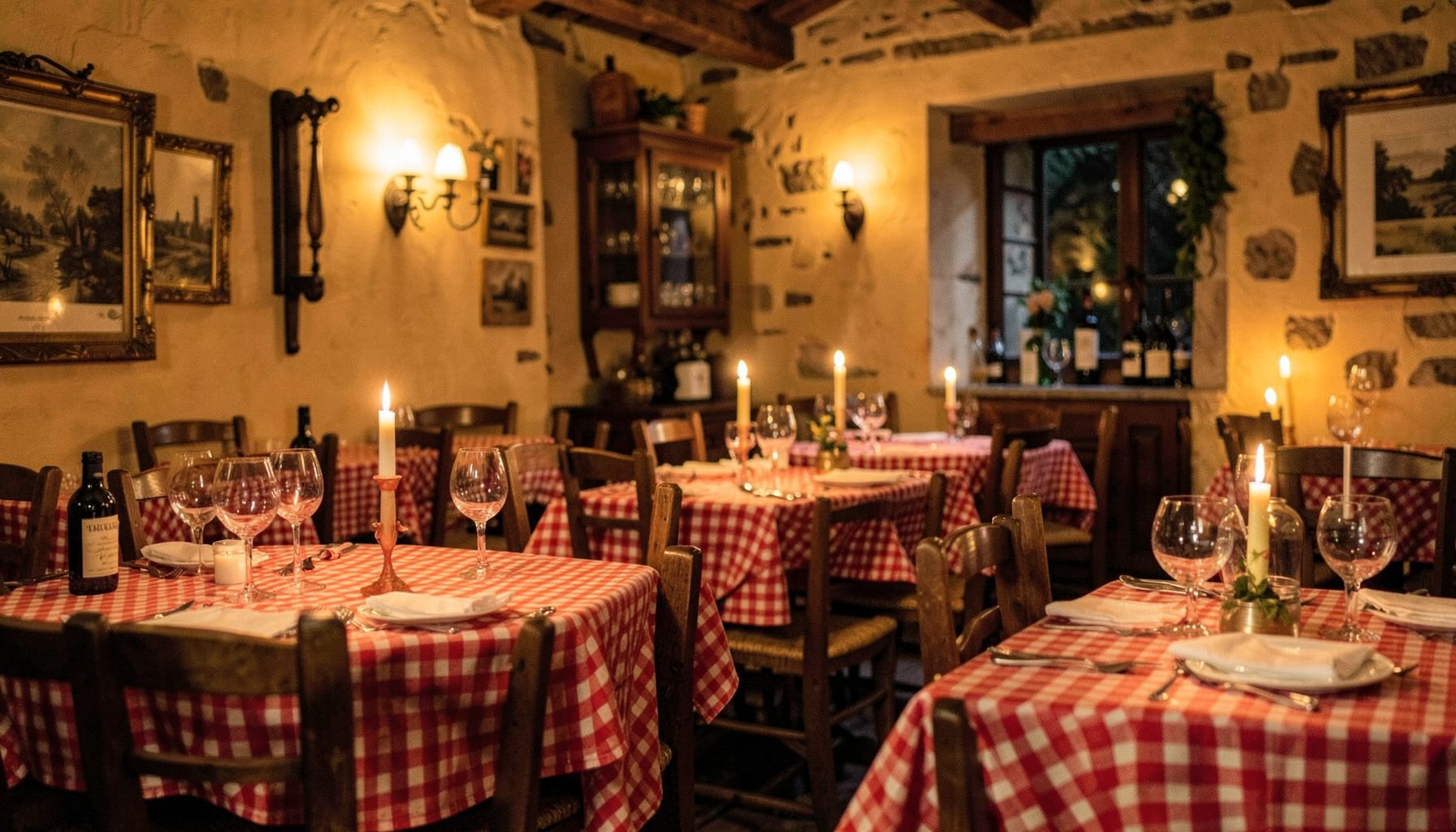
Smoked paprika and the character of Italian sausage
Smoked paprika gives Italian sausage a warm, sweet depth that sits neatly beside fennel, garlic and slow-cooked tomato. The spice carries a rounded wood aroma, while good sausage supplies salt, fat and a tender chew. Together, they create a flavour that feels both rustic and precise, well suited to the handmade pasta, wood-fired cooking and seasonal produce associated with Taverna Santi in Geyserville.
The ingredient also rewards close attention. Paprika can range from mellow and gently sweet to smoky and hot, and each style changes the balance of the meat. At Taverna Santi, that versatility fits a kitchen guided by traditional Italian methods, local farmers and carefully sourced ingredients. A tasting, seasonal supper or chef-led demonstration can reveal how one spice moves from the nose to the finish, then settles comfortably into a glass of regional wine.
How smoke changes the profile of sausage
Paprika is made from dried peppers, but smoked paprika adds another layer: the aroma of wood or ember. Sweet varieties echo roasted red pepper and caramelised onion; hot versions bring a dry warmth that builds rather than overwhelms. Some producers use oak, while others favour fruitwoods or a mixed smoking process, so the spice’s character can vary as much as the blend does.
That complexity works because sausage is a complete seasoning system. Paprika is not a universal marker of Italian charcuterie; its sweet, sun-dried character comes strongly from Iberian and Central European pepper traditions. Fennel seed offers anise-like sweetness, garlic adds pungency, and chilli or black pepper supplies a measured edge. Tomato paste, wine or a little acidity keeps the richness in balance. Smoked paprika should deepen these familiar Italian notes rather than replace them.
Choosing the right paprika
Look for a colour and aroma that suggest freshness rather than mere intensity. Sweet smoked paprika should smell gently charred and fruity; a hot version should retain pepper heat without tasting dusty. Spanish-style pimentón provides a useful reference, although paprika sold in Australia may come from several countries and use different pepper varieties.
For a cook-at-home blend, combine coarse-ground pork with fennel, garlic, salt, pepper and a modest amount of the chosen paprika. Mix the seasoning through the meat and let it rest before cooking. The brief pause lets the paprika settle into the fat and gives the fennel time to release its aroma. Measure by taste and remember that smoke can seem stronger in the raw mixture than it does after heat.
When the sausage itself meets the fire
Wood smoke and smoked paprika can do similar work, but they behave differently. Smoke on the surface of a sausage adds a fleeting campfire note, while the spice remains present in every slice. Using both creates depth, provided each is restrained; two powerful smoke sources can easily flatten the fennel and make the finished meat taste primarily of char.
For a home barbecue, grill over medium-high heat until the casing is crisp and the centre reaches at least 71°C, turning often to avoid scorching. A cast-iron pan can reproduce the browned exterior and fond that make sausage especially good with grilled bread or soft polenta. Fresh sausage is best served hot, while a cooked sausage served at room temperature is better sliced thin, perhaps with grilled vegetables.
Adapting Italian sausage for Australian kitchens
Fresh sausage is a familiar part of the Australian weekend barbecue. Butchers and Italian delis in cities such as Melbourne, Sydney, Adelaide and Brisbane make or sell options suited to relaxed outdoor cooking. The familiar “snag” is often sold plain, but adding fennel and smoked paprika gives it another character, close to salsiccia without requiring a full Italian pantry. Farmers’ markets can provide pork shoulder, fennel fronds and free-range garlic for a more hands-on version.
Shopping habits reward a little label reading. Under Australia’s Food Standards Code, packaged food must meet ingredient-labelling rules and declare relevant allergens. Paprika is not itself a mandatory allergen, yet a sausage containing wheat breadcrumbs, soy or added sulphites may require clear declarations. Fresh meat sold by a market stall must also meet state or territory food-safety laws, with businesses expected to keep chilled food at 5°C or below and protect it from unsafe temperature changes.
At home, keep fresh sausage chilled and use a separate board for raw meat, ready-to-eat salami and vegetables. During the warmer months, an insulated cooler bag matters on the way home from the market or butcher. These practical habits suit an Australian barbecue culture built around easy cooking, outdoor entertaining and plenty of fresh salad, while the spice gives familiar sausages a distinctly Italian accent.
Matching sausage with pasta, vegetables and wine
Smoked paprika sausage works especially well when the rest of the plate offers contrast. A bright tomato-and-fennel ragù suits the meat’s richness, while pappardelle or rigatoni catches the sauce and its beads of fat. Wood-fired vegetables bring another layer of char without requiring more smoke, and a bitter green salad cuts through the seasoning.
For wine, reach for structure rather than sweetness. Sangiovese brings acidity and cherry-like fruit, Barbera supplies brighter red-fruit energy, and a lightly chilled Nebbiolo can soften the spice with fine tannin and savoury notes. These choices echo the regional wine direction at Taverna Santi, where the aim is a complete expression of place: Sonoma County ingredients, Italian technique and a table built for sharing.
A practical way to taste and cook it
Begin with a small slice, then let the aroma develop before adding pasta or wine. Pay attention to sweetness, smoke, heat and the slower fennel note. The following approach makes the flavour easier to compare and appreciate:
- Choose sweet smoked paprika first, then taste a hotter variety to understand how the heat changes the finish.
- Keep fennel and garlic present but restrained so they support the paprika rather than compete with it.
- Balance rich sausage with tomato, grilled greens or bitter leaves to refresh the palate.
- Cook fresh sausage to at least 71°C in the centre, then rest it briefly before slicing.
- Keep chilled meat below 5°C during transport and preparation, especially on warm days.
- Taste the finished sausage with a dry Italian red before deciding whether the dish needs more salt or acid.
Taverna Santi’s seasonal dinners, private celebrations and chef-led tastings offer a setting for that exploration. In a rustic Sonoma dining room, each aroma, texture and sip reveals smoked paprika as a precise bridge between Italian sausage craft, local produce and the warmth of the fire.