Behind the Scenes of a Chef-Led Pasta Demonstration
At Taverna Santi, the wooden table in the demonstration space holds more than flour and eggs. It carries the rhythm of a tradition passed through generations of Italian cooks, now shared with curious visitors who arrive ready to roll up their sleeves. The chef-led pasta demonstration unfolds as a quiet, focused ritual, with each motion explained and answered in real time.
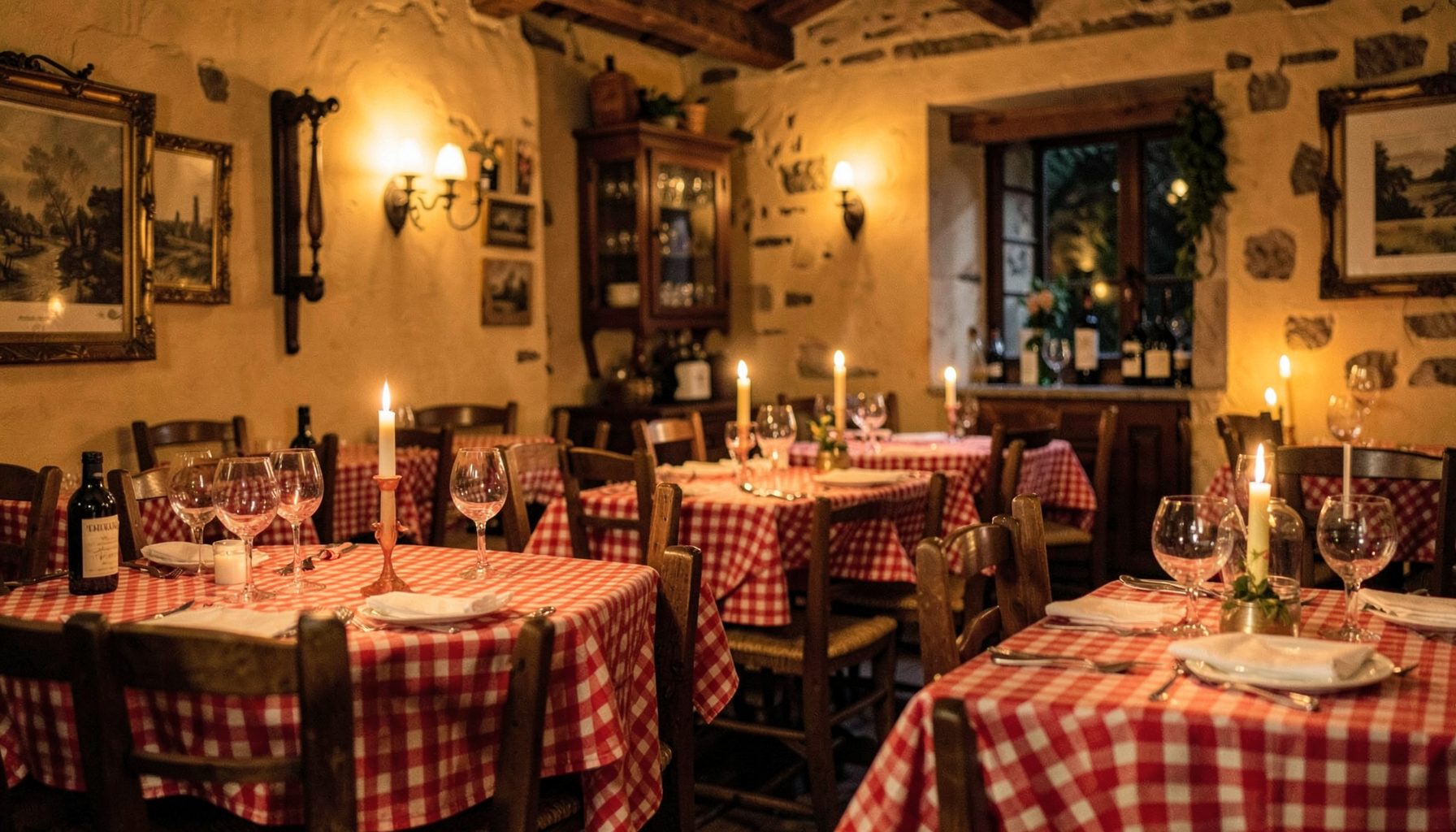
The atmosphere is rustic but precise, with copper pots hanging nearby and the scent of wood smoke drifting from the kitchen. Guests watch, ask questions, and eventually shape their own strands of dough. What emerges is far more than a meal: it is an intimate window into the philosophy of a kitchen that prizes locality, season, and craft above everything else.
Roots of a working tradition
Pasta demonstrations in Italian restaurants trace back to the desire of nonnas to pass along their knowledge to anyone willing to learn. In modern times, chefs have transformed those kitchen-table lessons into curated experiences that honour the same hands-on spirit. At Taverna Santi, the demonstration is built around the belief that cooking well begins with understanding the ingredients in their simplest form.
Across the Pacific, Australians have developed a deep affection for this kind of culinary storytelling. Melbourne, in particular, has long been a meeting point for Italian heritage, with Carlton's Lygon Street shaping the city's appetite for handmade pasta and slow cooking. Travellers from Sydney and Brisbane often seek out authentic demonstrations when planning visits to wine country, drawn by the chance to absorb real technique rather than just taste a finished plate.
Sourcing from Sonoma's farms
The dough that becomes pasta at Taverna Santi starts long before the demonstration begins. The kitchen team works directly with growers in Sonoma County, selecting grains and produce based on what is at peak ripeness each week. Eggs come from nearby farms where heritage breeds are raised on open pasture, and flour is milled locally to preserve flavour and nutrients.
Australian readers familiar with their own farmers' market culture will recognise this commitment. The Queen Victoria Market in Melbourne and the Adelaide Central Market operate on similar values, connecting chefs directly with producers. Australia's food regulations, including the Food Standards Code administered by Food Standards Australia New Zealand, encourage transparency in sourcing and labelling, reinforcing the trust that local growers build with restaurants. At Taverna Santi, that same transparency shapes every plate that leaves the kitchen.
Crafting pasta by hand
During the demonstration, the chef begins with a soft golden dough made from flour and eggs, worked gently until it becomes smooth and elastic. Hydration matters; too little moisture and the dough cracks, too much and it sticks. The chef talks through these balances while demonstrating the proper motion of the heel of the hand pushing the dough forward and away.
Once rested, the dough is rolled thin and shaped into familiar forms. Guests learn how to cut even tagliatelle, fold tortelli, and press ravioli using the wooden molds the kitchen keeps on a high shelf. Australian home cooks, many of whom have spent hours watching similar techniques on streaming shows filmed in Tuscany, often find the experience surprising in its simplicity. The tools are few, the timing is patient, and the result is entirely a product of attention and feel rather than fancy equipment. For those drawn to broader ideas around culinary heritage and restaurant design, the team at Bleu Evolution has explored how kitchens shape the dining experience in similarly thoughtful ways.
Lessons that stay with you
The real takeaway from a pasta demonstration is rarely a single recipe. Guests leave with a deeper understanding of why Italian cooking prizes texture, restraint, and the quality of a few ingredients. They learn how to read a dough, how to recognise when pasta is properly al dente, and why a simple emulsion of butter and sage can outshine elaborate sauces.
These lessons echo across Australia's growing community of cooking schools and culinary workshops. From Brisbane cooking academies to Sydney's culinary institutes, students arrive with similar questions: how do professionals achieve such consistency, and what shortcuts actually work? The honest answer shared at Taverna Santi is that shortcuts rarely do, and that repetition, humility, and good ingredients carry the day.
Wine and the pasta pairing
A demonstration at Taverna Santi often includes a thoughtful wine pairing segment, because pasta and regional wines share an intimate logic. A bright, herbaceous Sangiovese lifts a tomato-heavy sauce, while a structured Zinfandel pairs with mushroom dishes or richer meat fillings. The chef explains how acid, tannin, and body interact with the starch and fat on the plate.
Australian winemakers have long understood these conversations, particularly in regions with Mediterranean-leaning climates. The Barossa Valley's old-vine Shiraz, Margaret River's Cabernet blends, and the Yarra Valley's cool-climate Chardonnays all speak to the same marriage of food and place. Visitors to the demonstration who already know Australian wines often find fresh parallels between Sonoma's rolling vineyards and the landscapes they have explored at home.
Private events and seasonal suppers
Beyond the public demonstrations, Taverna Santi hosts private gatherings that bring the same approach to intimate celebrations. Birthday suppers, anniversary dinners, and corporate retreats can all be tailored around a pasta demonstration as the evening's centrepiece, with guests participating in the cooking or simply watching while sipping local wine poured into the plates.
Australia has cultivated a strong private dining culture of its own, with Melbourne's hidden dining rooms and Sydney's harbourside venues drawing on similar traditions of warmth and hospitality. Seasonal supper clubs in Adelaide, Byron Bay, and Hobart have built loyal followings by offering limited menus around single themes, much like the seasonal gatherings held at Taverna Santi throughout the year. For visitors planning a trip, these events offer a chance to experience the kitchen's philosophy without the formality of a seated tasting menu.