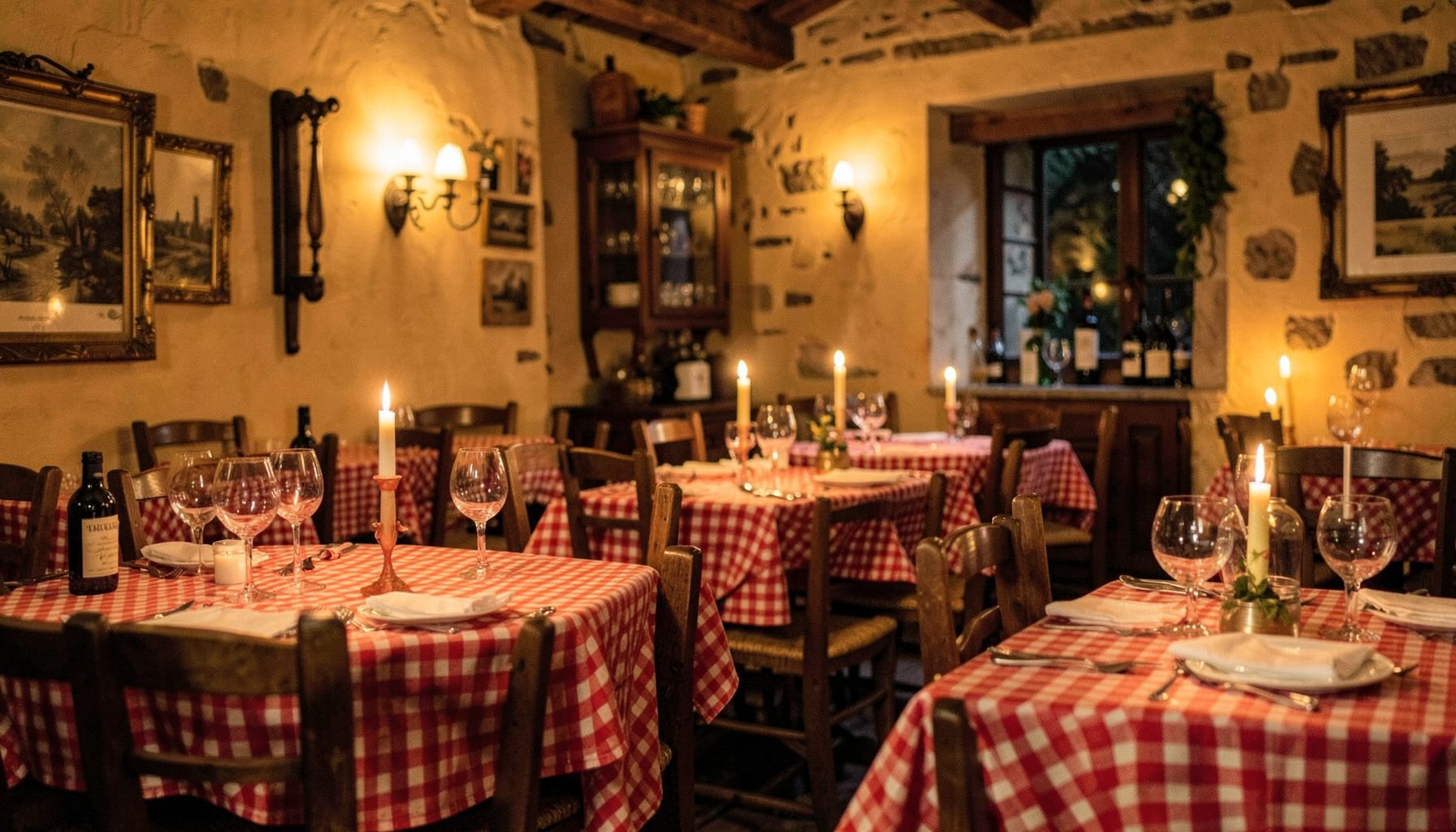
An Evening Of Wine Tasting At Taverna Santi
A private wine tasting in Sonoma County can turn a special occasion into a richly layered evening: regional wines, handmade pasta, wood-fired cooking and the relaxed rhythm of a long Italian meal. At Taverna Santi in Geyserville, the setting is intimate and rustic, making it well suited to milestone birthdays, family gatherings, wedding-related celebrations, corporate dinners and evenings shared with visiting friends.
For guests travelling from Australia, the experience also offers a welcome change of season and setting. Sonoma’s vineyards, local produce and Northern Californian light create a different backdrop from a winter dinner in Melbourne or a summer celebration in Sydney. With thoughtful planning, the event can feel generous and personal without becoming overly formal.
Building The Right Wine-Focused Experience
The most successful private events begin with a clear purpose. A group might compare Sonoma County varietals, explore pairings between local wines and regional Italian dishes, or simply enjoy a guided tasting before settling into dinner. Taverna Santi’s seasonal style gives the menu a natural sense of place, while the wine selection can provide a thread connecting each course.
A tasting does not need to involve a large number of bottles. Three or four carefully chosen wines can reveal how grape variety, vineyard location and winemaking affect flavour. Sparkling wine may welcome guests, followed by a bright white, a lighter red and a more structured bottle with the main course. Serving fewer wines also helps guests appreciate the differences rather than rushing from one pour to the next.
The restaurant’s team can shape the pacing around the group. A chef-led demonstration, seasonal supper or private dinner may suit guests who want storytelling and interaction, while a quieter seated tasting can work better for an anniversary or executive gathering. The event becomes more memorable when the wine, food and conversation follow a deliberate rhythm.
Selecting Food For A Shared Table
Italian cuisine is especially effective for private dining because it encourages sharing while still allowing a meal to feel composed. Handmade pasta can anchor the menu, with vegetable-focused plates, local cheeses, wood-fired dishes and carefully selected seasonal accompaniments creating variety across the table. A sequence of smaller courses often gives guests more opportunities to compare wine pairings.
Australian hosts are accustomed to accommodating different dietary preferences, from vegetarian and vegan meals to gluten-free requirements and allergies. Those details should be supplied well before the event, using precise information rather than relying on broad labels. A guest who avoids dairy, for example, may still be comfortable with eggs, while another may need strict separation because of an allergy.
The timing of the visit matters as well. Australia’s seasons run opposite to California’s, so guests arriving from Brisbane in January or Adelaide in July may need to reset their expectations about produce and weather. A Sonoma dinner in an Australian winter may feature ingredients that feel summery at home, while an Australian summer booking could coincide with cooler evenings and a different harvest calendar.
Planning A Private Event From Australia
Distance makes early communication particularly valuable. A host based in Sydney, Perth or Melbourne should allow for time-zone differences when discussing menus, arrival times and final guest numbers. A written event summary can record the seating plan, dietary requirements, tasting format, deposit terms, cancellation conditions and the intended length of the evening.
Australian travellers are also used to seeing GST included in displayed prices, whereas United States menus and event quotations may list sales tax separately and often add a service charge or gratuity. The final estimate should identify each component clearly. This avoids confusion when an Australian dollar budget is converted into United States currency and helps the organiser compare the real cost of different packages.
Alcohol arrangements deserve particular attention. In Australia, responsible service of alcohol, often referred to as RSA, is a familiar part of hospitality planning, although each state and territory applies its own rules. In California, the restaurant’s licence and operating requirements govern the tasting. Guests should follow the venue’s policy regarding pours, minors, outside bottles and transport, while the organiser can arrange rideshare vehicles, a shuttle or a designated driver for the return journey.
Creating A Comfortable Evening
The atmosphere should support conversation rather than compete with it. A modest guest list, warm lighting and a shared table can make a tasting feel welcoming, especially for visitors unfamiliar with Sonoma. Place cards are useful for a formal celebration, but a looser arrangement may better suit a family dinner or a group of friends travelling together.
Australian entertaining often includes a relaxed balance between structure and informality. Guests may appreciate a short explanation from the winemaker or chef, followed by time to eat and talk without constant presentation. A printed menu with the wine sequence, grape varieties and pairing notes gives curious guests something to explore while preserving the social character of the evening.
Music, speeches and photography should be considered in relation to the room. A short toast is easy to incorporate, while lengthy formalities may interrupt the progression of a tasting. If the event includes a demonstration, the schedule should leave enough space for guests to see, taste and ask questions rather than treating the cooking as background entertainment.
Details Worth Settling Early
A well-prepared host can focus on guests once the practical points are resolved. The Taverna Santi website provides a useful starting point for understanding the restaurant’s seasonal cuisine, private gatherings and Sonoma setting before discussing the exact shape of an event.
The local market also influences the experience. Sonoma County’s farmers, vineyards and artisan producers provide ingredients with a strong regional identity, while the restaurant’s sustainability-minded approach may mean that a dish or wine changes as availability shifts. That flexibility is part of seasonal dining, but guests should know in advance that a menu may be confirmed closer to the date rather than months ahead.
For Australian organisers, the following details are particularly useful to confirm in writing:
- Minimum spend, deposit amount and cancellation deadlines
- Whether food, wine, service charges and local tax are listed separately
- The number of tasting pours and the size of each serving
- Options for vegan, vegetarian, gluten-free and allergy-aware guests
- Seating style, private-room access and time allowed for the event
- Transport plans for guests who will not be driving
Small choices can make a considerable difference to the evening. Guests who are travelling from Australia may be managing jet lag, a long road journey through wine country or a full itinerary of tastings, so a sensible start time and a substantial food pairing are preferable to an event built around alcohol alone. Water, bread and pauses between pours help everyone stay comfortable.
A few final planning notes can keep the gathering polished without making it rigid:
- Confirm the final guest count before the restaurant sets the menu
- Ask how far in advance wine selections must be approved
- Check whether speeches, flowers, cakes or small decorations are permitted
- Share the venue address and transport information with every guest
- Arrange a clear contact person for changes on the day
A private wine evening at Taverna Santi is at its best when it feels rooted in the region and tailored to the people at the table. Seasonal Italian cooking gives the event substance, Sonoma wines provide a sense of place, and a carefully paced programme allows guests to enjoy both the tasting and the company. For Australians planning a celebration across the Pacific, that combination creates an occasion that feels distinctive without losing the warmth of a shared meal.