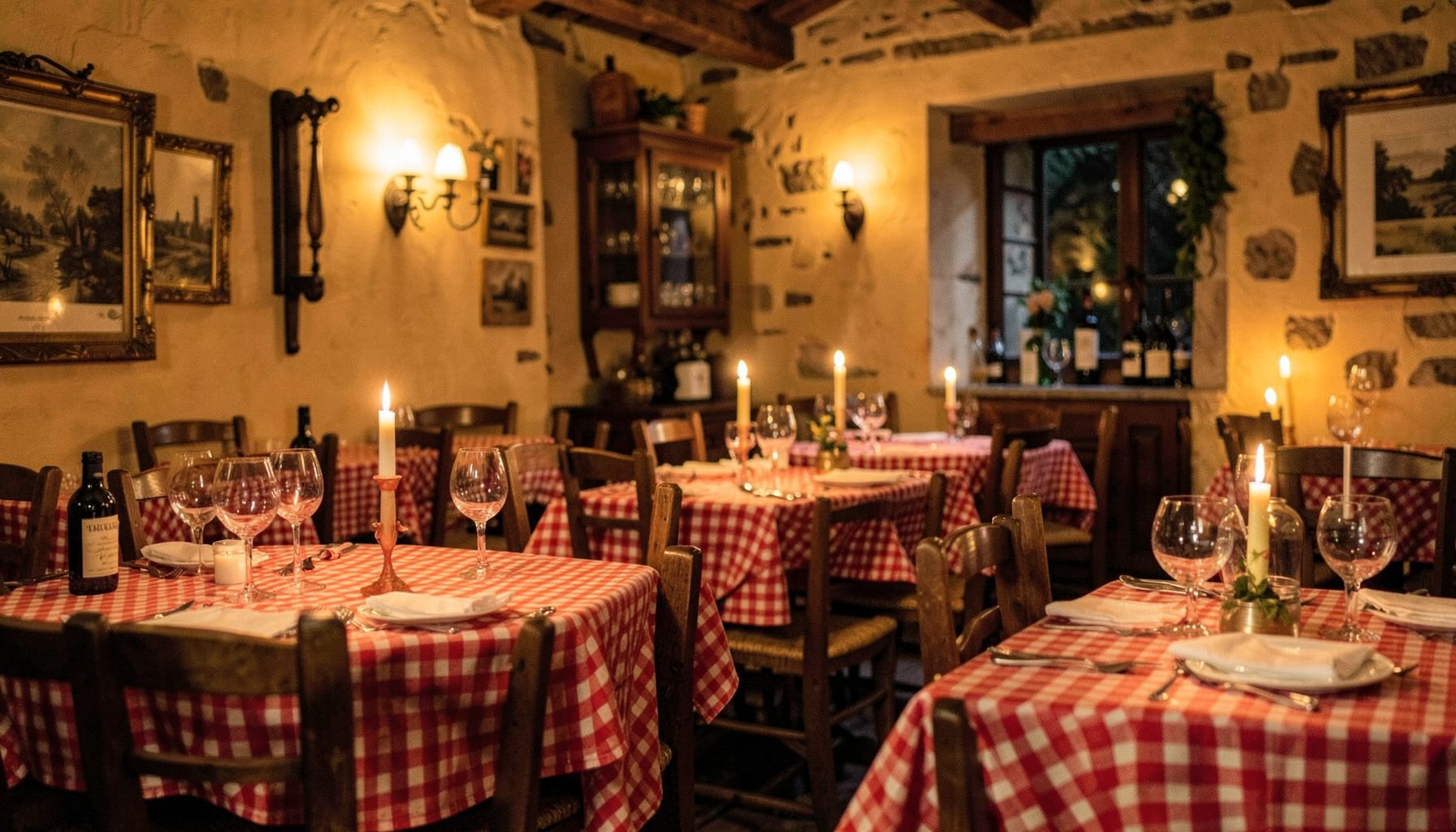
Garden, fire and the Italian table
A visual journey through our seasonal succulent garden starts at the edge of the dining room and moves toward the kitchen’s warmth. At Taverna Santi in Geyserville, the plants are more than a pleasant frame for a meal: their changing colours, textures and rhythms echo the ingredients arriving from nearby farms.
Seasonal Italian cooking depends on attention, so the garden asks for the same attention. It marks cool, wet winters and long, dry summers, while handmade pasta, wood-fired vegetables and regional wines carry that sense of place onto the plate. The result is a meal that feels settled in Sonoma County rather than assembled for decoration.
A path between wood, stone and green
The approach is deliberately intimate: weathered timber, stone, terracotta and low planting make the garden feel like an extension of a rustic dining room. Succulents hold water in sculptural rosettes, while rosemary, thyme and flowering herbs soften the edges. At different hours, sunlight catches waxy leaves and throws crisp shadows across the path, giving the journey a changing visual rhythm.
That rhythm becomes clearer through Sonoma’s seasons. Winter rain encourages drainage around the roots, summer dryness concentrates their colour, and mild evenings keep the courtyard comfortable. Australian gardeners will recognise the need to adapt irrigation to dry spells, though the reversal is striking: much of Sydney has humid summers and comparatively mild winters, while Melbourne can bring cold, changeable spring weather.
Succulents as a living calendar
In the cool months, houseleek-like rosettes and other hardy succulents tighten into jewel-toned clusters. They are visual markers of resilience, not automatic ingredients: the kitchen team identifies only plants suited to a dish and handles them with the same care applied to produce from local farmers. Nearby beds of leafy herbs and edible flowers show where the garden’s decorative and culinary purposes overlap.
By spring, new growth opens the arrangement. Fresh shoots appear, flowering stems rise and the palette moves from deep green and burgundy toward silver and coral. In warmer weather, the garden’s greens accompany tomatoes, courgettes and squash without competing with them. Preserved garden herbs, herb-infused oil and stems reserved for stock also extend the visual story, ensuring that a brief abundance is not treated as waste.
Garden flavours reach the handmade pasta
At the table, the garden’s geometry returns in fine cuts, folds and ribbons. Tender herbs can perfume a sheet of pasta before it is rolled by hand; tender greens can become a bright sauce, while roasted squash or wood-fired vegetables bring deeper colour to a plate. The techniques remain recognisably Italian, but the day’s harvest decides the details.
Wood smoke, olive oil, salt and time supply the rest. Rather than forcing every plant into the menu, the kitchen works with what is genuinely ready, collaborating with Sonoma farmers who share the same seasonal logic. A vegetable-focused plate may be spare and architectural, yet generous with flavour, while a bowl of pasta can carry several garden notes without becoming a showcase.
Wines, water and the Australian table
Regional wines have their own relationship with this landscape. Cooler sites favour restrained reds and bright whites, and a bottle from a nearby producer can mirror the garden’s balance of structure and freshness. A shared bottle over several handmade pasta and vegetable plates suits the generous, unhurried style of Italian dining found in many Australian restaurants.
Other Australian habits require a quick adjustment. Bringing your own bottle is routine in many restaurants back home, but California generally does not permit diners to bring alcohol onto licensed premises. Designated drivers should also know that Australian drink-driving limits are strict—0.05 for most full-licence drivers, and zero for some categories—while sober choices can still feel polished. Ideas for thoughtful zero-proof pairings appear in lounge favourites for designated drivers.
Markets, stewardship and shared seasonality
The emphasis on growers extends beyond Geyserville. At Melbourne’s Queen Victoria Market or a small Sydney producers’ stall, shoppers often weigh seasonality, provenance and the wish to support small vendors; the same instincts shape Taverna Santi’s partnerships with local farmers. A market habit of buying only what looks ready for dinner translates well to a restaurant menu made around a particular week.
Stewardship is practical as well as romantic. Many Australian state and territory governments have progressively restricted single-use plastic items, and reusable bottles have become ordinary in city routines. At the restaurant, the garden rewards similar habits: water carefully, harvest selectively, and protect pollinators rather than treating the site as a backdrop. Compostable serviceware and thoughtful sourcing keep those values visible from table to soil.
A considered visit to Taverna Santi
Travelling well in the Sonoma countryside starts with a few practical choices. The garden is best experienced slowly, and the kitchen is most rewarding when guests arrive ready to follow the day’s changing menu rather than demand a predetermined ingredient.
- Reserve ahead for dinner, weekends and private gatherings, as the restaurant’s intimate setting rewards advance planning.
- Visit in warmer daylight, when the succulents are easiest to see, and confirm how garden access applies to your reservation.
- Ask about the day’s handmade pasta, garden ingredients and vegetarian choices when booking, allowing the kitchen to plan around your table.
- Pair a regional Sonoma wine with dinner, or choose a considered zero-proof drink if you are driving.
- Bring a light layer, since Sonoma evenings can cool quickly after a warm day.
- For celebrations, tastings, seasonal suppers or chef-led demonstrations, contact the restaurant to arrange a private experience.
A visit can unfold from a quiet lunch to an evening tasting, seasonal supper, celebration or chef-led demonstration. Taverna Santi’s private events turn the garden into a gathering place, with a rustic atmosphere, regional wine and a menu shaped around local produce. Come for the handmade pasta and wood-fired cooking, then let the succulents, farmers and changing light complete the story of Sonoma’s seasons.