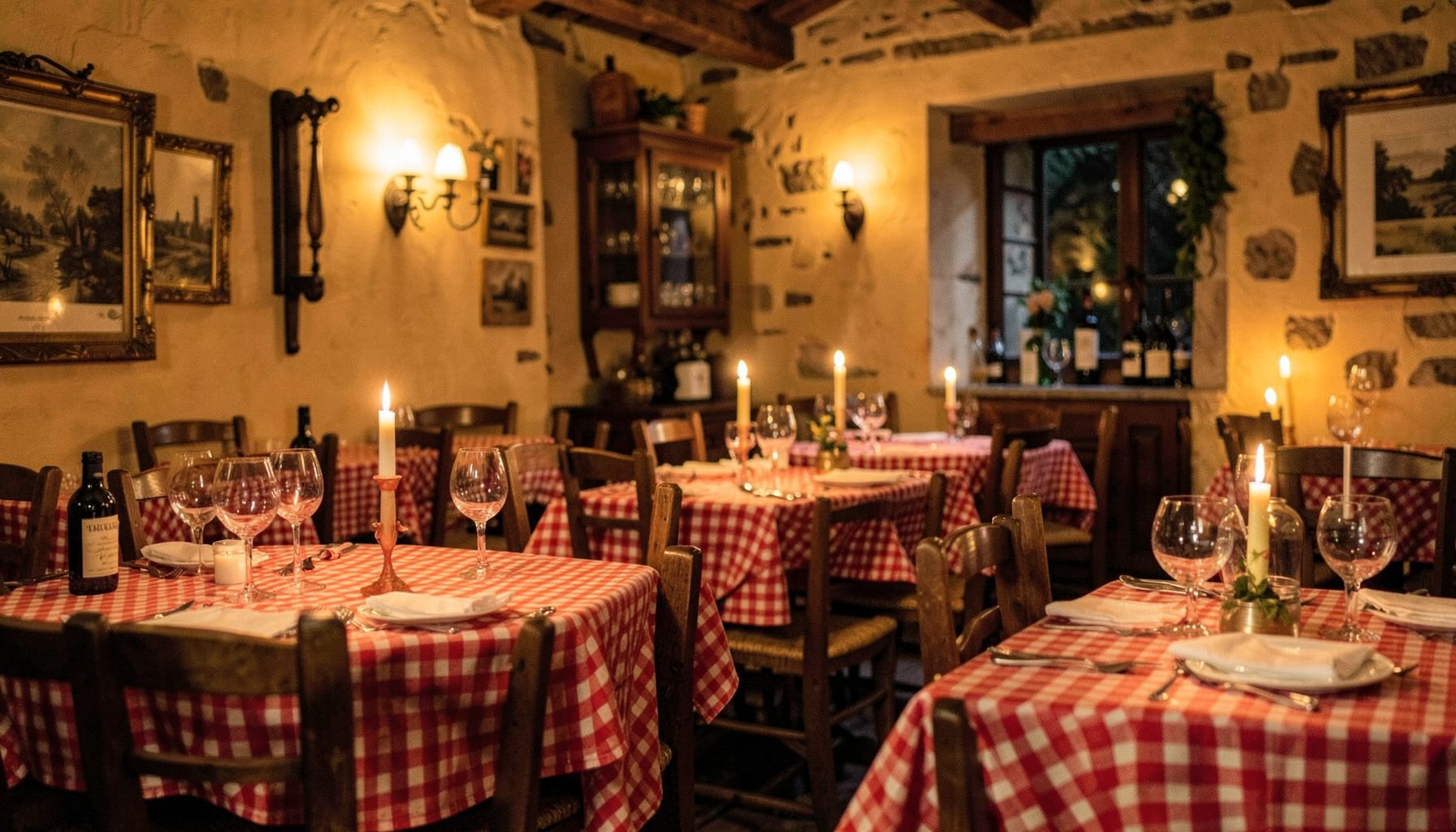
Lighting the grill for a true bistecca alla Fiorentina
Across the hills just outside Geyserville, where morning fog lifts off the vineyards and the air carries the scent of rosemary, the flames of a wood-fired hearth shape nearly everything we cook. Few plates travel from Italy to California more directly than the celebrated Tuscan T-bone, a single cut split between fillet and loin, served plainly because the meat refuses to hide behind anything louder than salt, pepper, and good olive oil. This is the spirit behind the Fiorentina we serve, a centuries-old tradition meeting the agricultural richness of Sonoma County.
Australians tend to appreciate this kind of honesty on the plate. From the Italian-Australian families who shaped the eating culture of Melbourne's Lygon Street to home cooks in Haberfield who grew up watching nonnas roll pasta on Saturdays, the bond between Antipodeans and Italian food runs deep. Travellers from Adelaide, Brisbane, and Perth have told us, often with a grin, that our wood-fired cooking channels the spirit of a Saturday arvo gathering back home, where the barbie earns the same reverence Florentines give their grill.
The story behind bistecca alla Fiorentina
The original bistecca traces its lineage to the Chianina cattle of the Val di Chiana, raised on rolling pastures in central Tuscany and celebrated for producing beef so lean, so tender, and so richly flavoured that butchers have protected the breed for centuries. Tuscan cooks traditionally dry-age the cut for several weeks, then place it over a wood fire built from oak or olive prunings. Smoke and radiant heat sear the outside while leaving the interior a warm, blushing ruby.
At Taverna Santi we honour that discipline by working with growers who share our values. The cattle are pasture-raised within a short drive of the kitchen, and the dry-ageing happens in our own curing room, where humidity and temperature are measured with old-fashioned patience. Any aussie traveller who has waited through a long Sunday lunch in Margaret River or the Barossa will understand exactly why this cut refuses to be rushed.
Why wood-fired grilling changes the dish
Cooking over glowing embers is fundamentally different from a flat metal plate or a gas burner. As fat drips into the fire, it vaporises and rises back onto the meat, layering flavour that cannot be engineered any other way. Smoke clings to the browned crust, and the radiant heat from the coals delivers a deep, even cook that an oven struggles to replicate.
The choice of wood shapes the personality of the plate. Oak, the timber most often used in Tuscany, lends a balanced, slightly sweet smoke that flatters beef without overwhelming it. We also use local fruit woods from Sonoma orchards when the season allows, particularly apple and almond, each adding a faint aromatic note that pairs well with the herbal oils and bitter greens served alongside. Diners who grew up around the wood-fired ovens of Brunswick or Newtown often tell us the aroma carries them back to a nonna's kitchen in Carlton, which is precisely the response we hope to provoke.
Building the plate around the beef
A true Fiorentina refuses to share the stage, so the accompaniments must be quiet partners. We plate ours with slow-cooked white beans in peppery olive oil, a bundle of Swiss chard wilted with garlic, and a slab of house focaccia blistered from the same hearth. Each component lifts the meat without competing with it.
Wine choices lean toward Sangiovese and classic Tuscan blends, though we also pour bottles from Australian producers who understand how to translate that savoury, earthy spirit. A robust McLaren Vale Shiraz, a structured Yarra Valley Cabernet, or a coiled Barossa old-vine Mataro can hold its own against the smokiness. Anyone navigating a wine list in Surry Hills knows that pairing advice is worth taking seriously, especially with a cut this assertive.
The ritual of sharing at the table
The cut is meant for two, four, or six, brought to the table on a wooden board and carved in thick slices in plain view of everyone gathered. The drama is intentional. Tuscan tradition treats the carving as an act of generosity, a way of welcoming friends into the moment.
In our dining room the steak is presented whole, then portioned by the chef in front of the guests, who receive their plates warm and lightly salted at the end. It mirrors the communal eating Australians recognise from long table lunches along the Mornington Peninsula or a winter afternoon at a Marrickville osteria. There is no rush, no awkward choreography, just a steady stream of bread, wine, and conversation.
Sourcing and the seasons of Sonoma County
Sustainability threads through every decision in the kitchen, and our beef program is no exception. We work with ranchers who rotate their herds, restore native grasses, and avoid grain-finishing that dulls the character of the meat. When a particular farm finishes its season early, we adjust the menu rather than compromise the standard.
Vegetables are pulled from the surrounding farms of Healdsburg and the rolling fields of Alexander Valley, often picked the morning they reach the kitchen. Herbs come from our own beds out back, and the salt is hand-harvested from a small producer along the Northern California coast. The aim is something rooted, never flown in from far away, a sensibility shared by the paddock-to-plate philosophy embraced across the Adelaide Hills and the Hunter Valley.
Hosting private evenings and celebrations
Many guests first discover our Fiorentina during a private tasting or seasonal supper, where the dish often becomes the finale after handmade pasta, wood-fired vegetables, and a fresh ricotta course. We host weddings, anniversaries, and milestone birthdays in a room that feels festive yet unhurried.
For groups travelling together, particularly those planning a longer stay in wine country, we design menus where the steak anchors a tasting of regional producers alongside a walk through our cellar. This approach reflects a wider cultural conversation about craft and tradition, the kind of exchange championed by organisations devoted to heritage cooking, where regional identity is celebrated alongside agricultural craft.
Cooking the steak at home
While nothing replaces the experience at the restaurant, the home cook can come close with the right setup. A hardwood charcoal grill, ideally one that reaches the radiant-heat range of a wood fire, is essential. Choose a thick-cut, well-aged porterhouse or T-bone, bring it to room temperature, and season generously with coarse salt and a few twists of black pepper.
Sear the meat over the hottest part of the fire, turning rarely, then move it gently to a cooler zone to finish. Rest it on a rack, never on a plate, for at least ten minutes. Slice across the grain, drizzle with green olive oil, and serve simply, perhaps with a green salad dressed in lemon or a bowl of warmed cannellini.
Common mistakes include pressing with a spatula, cutting too early, and seasoning before the surface has dried. Patience is a virtue Australians tend to learn early, whether waiting for a southerly buster to clear along the coast or for a lamb roast to settle before the carving begins.
Ingredients worth knowing
- Chianina beef, the heritage Tuscan breed prized for its lean, silky texture and mineral character
- Coarse sea salt, ideally Sicilian, drawn from sun-baked evaporation ponds along the Mediterranean
- Freshly cracked black pepper, ground just before it hits the crust for warmth rather than heat
- Cold-pressed Tuscan olive oil, harvested early so the oil carries grassy, artichoke, and almond notes
- A robust red with savoury tannins, such as a Brunello, McLaren Vale Shiraz, or Napa Sangiovese
Pairing your visit with Sonoma's rhythms
- Book late lunch seats, when the fire has settled and the kitchen feels quiet and confident
- Ask about the current beef program, since the rancher and breed rotate through the year
- Plan a walk through the gardens before sitting down, easing into the slow tempo of the meal
- Reserve a group table for special occasions and let us tailor the menu and pairings
- Leave room for dessert, particularly the olive oil cake or the seasonal panna cotta