Cooking with truffles: timing, technique and taste
Truffles are among the most aromatic ingredients in the kitchen, yet their appeal depends on restraint. A fresh truffle can bring woodland fragrance, gentle garlic, earth and spice to a dish, but excessive heat, heavy seasoning or too many competing ingredients can quickly obscure its character.
For Australian home cooks, the calendar matters. Black truffles from Tasmania and the Canberra region are generally at their best during the cooler months, while imported European varieties arrive at different times. Learning when to buy them, how to store them and which foods support their aroma makes this luxurious ingredient far easier to use well.
Understanding the main truffle varieties
Black winter truffles have a deep, savoury perfume that becomes fuller with gentle warmth. They work beautifully with butter, cream, eggs, potatoes, cauliflower, mushrooms and handmade pasta. Their flavour is usually more rounded than sharp, which makes them suitable for sauces and warm dishes.
White truffles are more delicate, intensely fragrant and generally shaved raw over food. They are prized with simple combinations such as warm buttered tajarin, soft scrambled eggs or risotto. Because their aroma fades quickly under direct heat, they should be added at the table or immediately before serving.
Australian truffles are a particularly good choice for local cooks. Tasmanian producers and growers around Canberra supply restaurants and specialist retailers during the southern winter, allowing the ingredient to travel fewer kilometres than an imported European truffle. Choose a specimen that feels firm, smells strongly and has no wet or damaged patches.
Buying and storing a fresh truffle
A good truffle should have a powerful aroma for its size and a firm, slightly irregular surface. Avoid specimens that feel spongy, smell sour or show signs of mould. At a farmers’ market in Melbourne or Sydney, ask when the truffle was harvested and how it has been stored. Freshness has a greater effect on flavour than size.
Wrap each truffle loosely in a clean paper towel and place it in an airtight container in the refrigerator. Change the towel daily if condensation appears. Rice is sometimes used to absorb moisture, but it can draw too much water from the truffle and leave the surface dry.
Use fresh truffles within several days, ideally as soon as possible. They can scent butter, eggs or cheese in the refrigerator, though the food must be protected from direct moisture. Truffle oil and preserved truffle products have their uses, but many inexpensive oils rely on artificial aroma and can taste harsh beside a fresh specimen.
Preparing the truffle without wasting it
Brush away soil with a soft mushroom brush, or wipe the truffle carefully with a barely damp cloth. Do not soak it. A truffle’s outer ridges can hold grit, so take time to clean them before slicing.
A dedicated truffle slicer creates thin, even shavings, though a sharp mandoline or small knife can work. Slice white truffles paper-thin over hot food. Black truffles may be shaved, finely chopped or cut into small matchsticks, depending on whether you want fragrance across the dish or concentrated bites.
Keep the truffle whole until the last practical moment. Once cut, its aroma disperses rapidly. If you are preparing a dinner in Brisbane or Perth, avoid slicing it early while guests are still arriving; prepare the plates first, then shave the truffle at the table.
Matching truffles with simple ingredients
Truffles prefer foods with gentle fat and modest seasoning. Butter carries their aroma particularly well, while cream gives black truffle a soft, luxurious setting. Eggs are another classic match because their mild flavour allows the fragrance to remain clear.
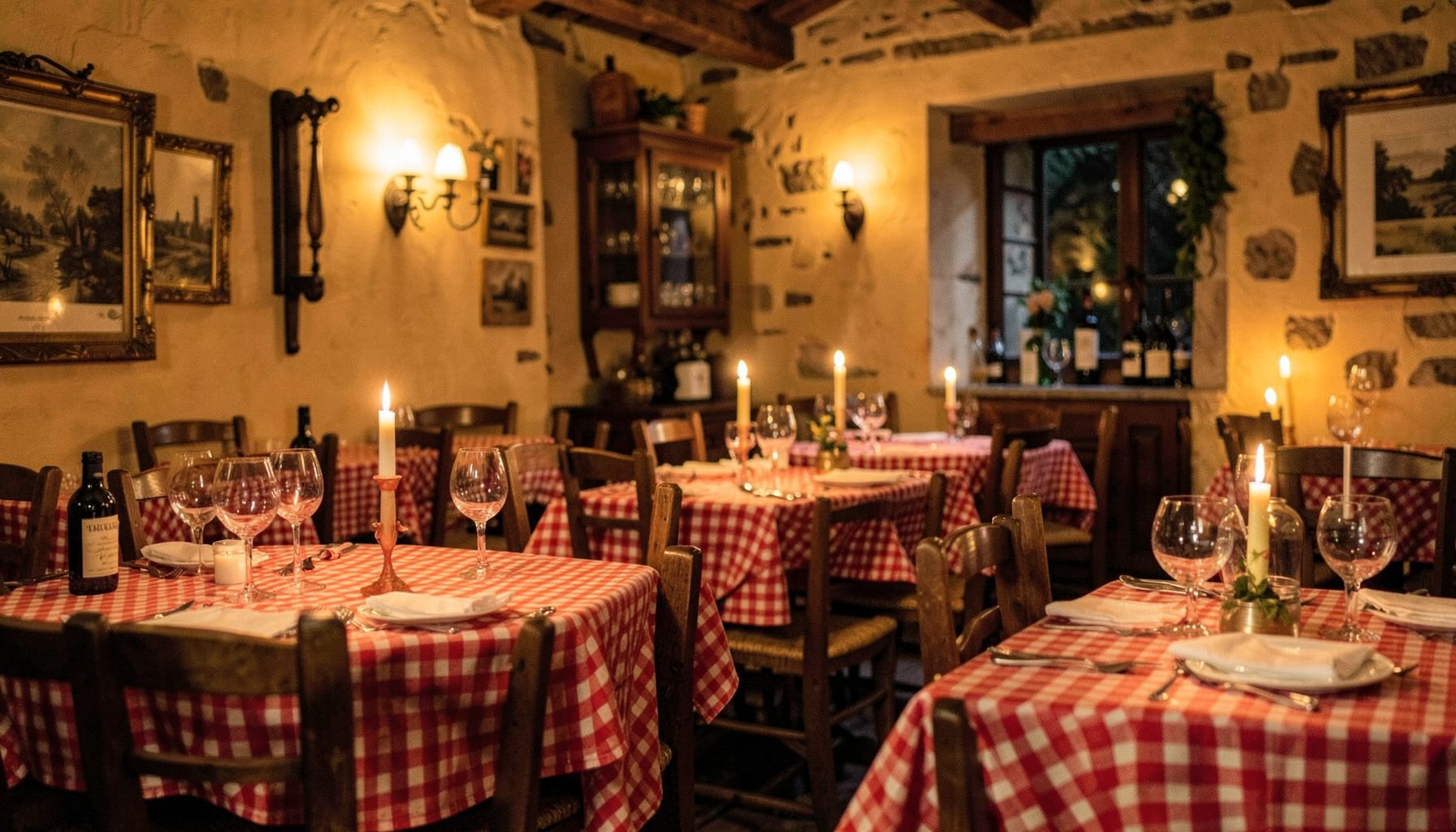
Potato, celeriac, Jerusalem artichoke, cauliflower and mushrooms provide earthy foundations. Pasta and risotto are especially effective because their starch catches the truffle’s oils. At Taverna Santi, the same principle can guide a seasonal plate: carefully made pasta, local vegetables and a restrained sauce give the truffle room to speak.
Seafood can work when treated with care. Scallops, prawns and mild white fish should be paired with light sauces rather than strong chilli or smoked flavours. A fennel-led preparation such as this Sicilian shellfish pairing offers a useful reminder that aniseed, olive oil and clean briny flavours can support aromatic ingredients without overwhelming them.
Applying heat with precision
Black truffles can tolerate gentle heat, but prolonged cooking reduces their perfume. Fold grated black truffle into warm butter, stir it through a finished sauce or add it to a covered risotto during the final minutes. The residual warmth will release aroma without boiling it away.
White truffles should remain raw. Shave them over food that is hot enough to warm the slices but not so hot that the fragrance disappears. A warm plate of eggs or pasta is ideal; a bubbling saucepan is not.
Wood-fired cooking requires particular judgement. The roasted flavour of a wood-fired potato or chicken can complement black truffle, yet a heavily charred crust may dominate. Add truffle after cooking, perhaps with cultured butter or a mild jus, rather than exposing it directly to the fire.
Building a balanced truffle dish
The best truffle dishes usually contain a short list of ingredients. Salt, acidity and texture still matter, but each should be measured. A little lemon zest can lift a rich sauce; too much lemon juice can flatten the truffle’s earthy depth. Fresh herbs should be delicate, such as chives, chervil or parsley.
Use these combinations as reliable starting points:
- Black truffle, cultured butter, potato and chives
- White truffle, soft egg, toast and mild parmesan
- Black truffle, cauliflower purée, hazelnut and brown butter
- Truffle, handmade pasta, pecorino and a light cream sauce
Australian produce offers plenty of natural partners. Cool-climate potatoes from Tasmania, eggs from local free-range farms and mushrooms from Victorian growers can create a dish with a clear sense of place. In Adelaide or Hobart, a small serving of truffled pasta with a crisp local white wine may be more successful than a heavily embellished main course.
Serving, preserving and planning the meal
Serve truffle dishes as soon as they are finished. The aroma is most expressive during the first few minutes, so warm plates and have the final garnish ready before shaving. A small amount can perfume an entire serving of pasta or risotto when distributed evenly.
For a dinner party, use truffle in one focused course rather than scattering it through every plate. It pairs naturally with sparkling wine, Chardonnay, lighter Pinot Noir and elegant regional Italian varieties. Australian diners are familiar with sharing several courses, so a modest truffle entrée can create more impact than an oversized main.
For longer storage, truffle butter can be frozen in small portions, although the flavour will be softer than that of a fresh specimen. Preserved truffles are useful for sauces, fillings and compound butter. Keep the seasoning restrained when using them, since preserved products may already contain salt or a concentrated brine.
A practical menu might begin with a simple truffled egg, move to handmade pasta with black truffle butter and finish with a clean dessert free of competing savoury aromas. Seasonal suppers, private celebrations and chef-led demonstrations benefit from this progression because guests can notice how temperature, texture and timing change the ingredient’s character.
Avoiding common mistakes
Truffles are expensive, so the safest approach is to buy less and use it well. Heavy garlic, blue cheese, chilli, smoked meat and strongly spiced sauces can mask their fragrance. If those ingredients are essential to a dish, truffle is unlikely to be the best finishing touch.
Keep these practical points in mind:
- Do not wash a truffle under running water or leave it submerged
- Do not cook white truffle for an extended period
- Do not rely on highly perfumed truffle oil as a substitute for freshness
- Do not grate truffle into a dish dominated by chilli or strong smoke
- Do not slice it long before serving
The central skill is timing. Clean the truffle shortly before cooking, prepare the dish with a quiet hand and add the truffle at the point when its aroma will be noticed. That may mean folding black truffle into warm butter, shaving white truffle over eggs or finishing a wood-fired vegetable with a few delicate slices. In each case, the ingredient should feel like a precise seasonal accent rather than a show of excess.