A day at the farmers market: shopping with our chef
At Taverna Santi, the market is more than a place to buy vegetables. It is where the evening menu begins to take shape. Our chef walks among the stalls with a notebook, but the final decisions are made through conversation, scent and the condition of each ingredient. What looks especially good on the morning of the market may become a wood-fired dish, a vegetable plate or the bright finish for handmade pasta.
A day at the farmers market with our chef is guided by seasonality rather than a fixed shopping list. The produce changes with the weather, the growers’ harvests and the needs of each farm. In Geyserville, that means checking what has just come in, speaking with the people who grew it and choosing ingredients that will carry their character into the kitchen. For Australian visitors, familiar market customs sit alongside the distinctly Californian landscape and the seasonal rhythms of Northern California.
Before the stalls open
Our chef usually arrives with a loose idea of what the restaurant needs. There may be herbs for a sauce, tomatoes for the wood oven, tender greens for a pasta filling or fruit that could be served simply. The list is a guide, not a set of rules. A grower might mention that the tomatoes are especially ripe today, prompting a change of plan, while another stall may offer the last broad beans of the week.
This early conversation matters because good ingredients require a response. A farmer’s crop has its own history, and the best cooking decisions begin by recognising it. Our chef asks about harvest times, varieties and how the produce was handled rather than treating it as an interchangeable commodity. This approach supports nearby farms while allowing the menu to follow the produce instead of forcing it into a predetermined dish.
Reading the season at the stalls
Selection happens slowly at first. Ripe tomatoes are tested for fragrance and firmness, stone fruit is checked for give, and bunches of herbs are judged by their leaves. Greens with a few imperfect edges may be ideal for the kitchen, where they can be braised, grilled or folded into pasta. Nothing needs to look perfect; it needs to taste alive.
The market also determines the balance of the evening. If the vegetables are exceptional, they may take centre stage in a wood-fired plate. If herbs and delicate greens are abundant, they might become a ravioli filling or a bright garnish. Regional wine can then be considered alongside those choices, seeking bottles with the same sense of place and energy.
Imperfect produce is often the most worthwhile purchase. Misshapen carrots, scarred courgettes and overripe fruit can deliver more flavour than their polished counterparts. They are also well suited to traditional Italian methods, where slow cooking, roasting and careful reduction bring out depth. Nothing from the market is treated as waste simply because it does not meet a restaurant photograph’s standards.
From market basket to wood-fired table
Back at the restaurant, the day’s ingredients are sorted according to how they will be used. Some are washed and prepared that morning, while others are kept whole for later in the week. The chef checks textures again in the kitchen, comparing the greens with the pasta dough and tasting the dressing that will bring the vegetables together. Shopping and cooking are treated as one continuous process.
The same ingredients can influence several parts of the meal. Roasted squash might become a filling for handmade pasta, while its peel is roasted separately and blended into a sauce. Herbs may flavour both the dough and the vegetables. Softening onions and garlic in good olive oil creates a simple base for a wood-fired dish, allowing the market produce to remain the clearest voice on the plate. Seasonal Italian cooking is precise, but precision does not require rigid technique.
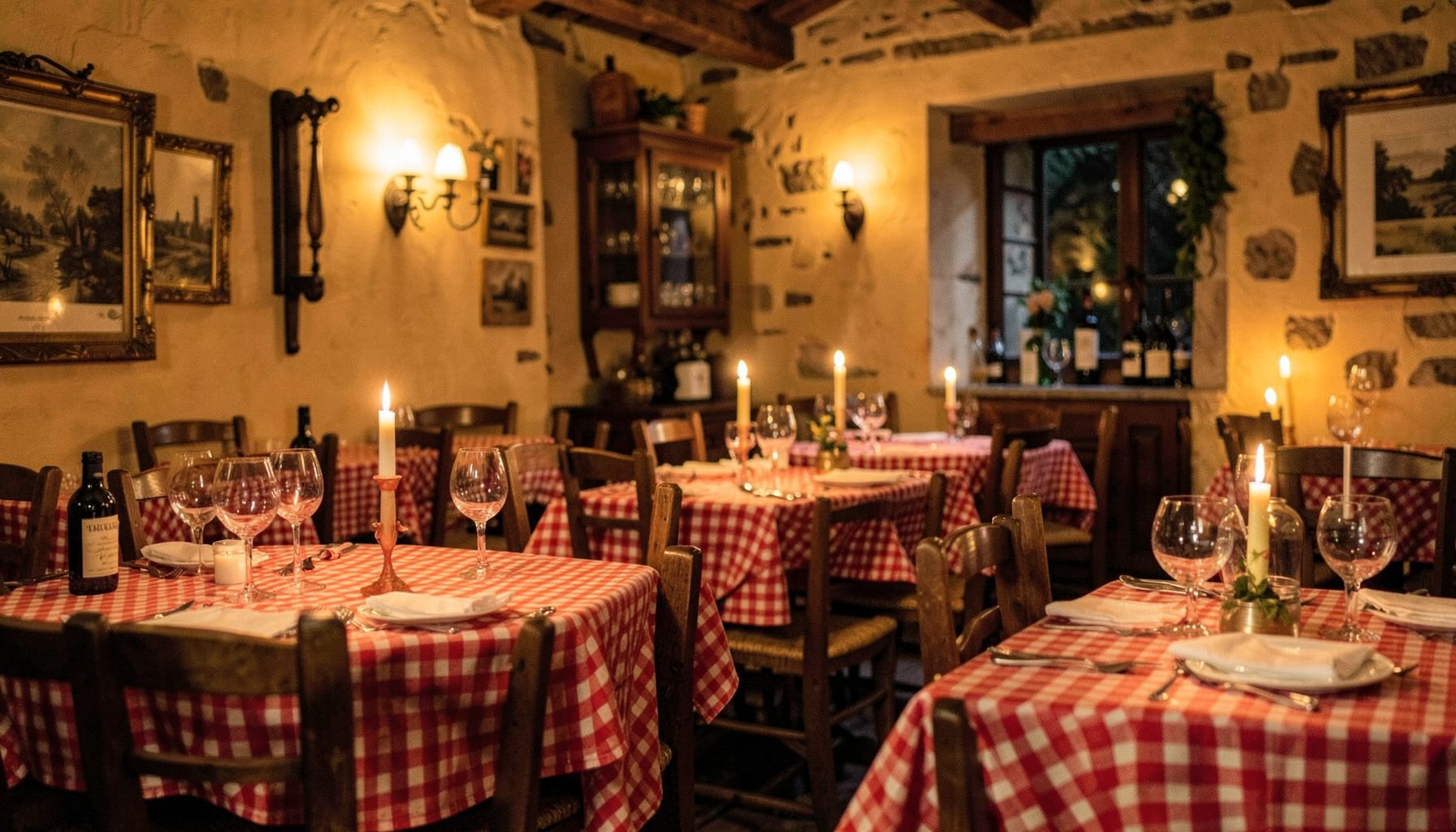
This is where the restaurant’s rustic character comes into play. The open kitchen, the smell of the oven and the movement between the dining room and the fire make the meal feel connected to its preparation. Guests can see how a handful of ingredients gathered from a local stall becomes a coherent dinner, rather than arriving as unrelated courses.
Familiar rhythms in Australian markets
The experience will feel immediately familiar to anyone who has shopped at Sydney’s inner-city farmers markets or visited the produce halls at Melbourne’s Queen Victoria Market. Stallholders greet regular customers, bags are reused, produce is chosen by weight and conversations often extend beyond the transaction. An Australian visitor may instinctively reach for a reusable bag, while also noticing that quantities here are often expressed in pounds rather than kilograms.
The clearest difference lies in the seasons. Australia’s summer runs opposite to that of Northern California. In January, a market in Melbourne or Adelaide may be heaped with stone fruit and tomatoes while Geyserville is enjoying winter roots, brassicas and cool-weather greens. Even the same calendar month can present two entirely opposite expressions of nature, and each expression suits its own style of cooking.
There are useful parallels, however. Growers at both ends of the Pacific speak proudly about difficult seasons, changing weather and varieties that thrive in their particular soil. The emphasis on provenance, seasonal eating and direct relationships with producers is shared. What differs is the landscape: Californian vineyards, dry warmth and the surrounding farms give Taverna Santi’s market cook a distinctive set of ingredients from which to work.
A market-day guide for Australian guests
The seasonal menus, tastings and private gatherings at Taverna Santi provide a natural setting in which to experience the produce firsthand. Private celebrations, chef-led demonstrations and seasonal suppers also reveal how the kitchen turns local ingredients into memorable Italian dishes.
For visitors joining a market excursion, a few practical habits make the morning easier:
- Arrive early for the broadest selection and the calmest conversations with growers.
- Carry a reusable bag and wear shoes suitable for walking between stalls.
- Bring a little cash while remaining ready to pay by card where a vendor prefers it.
- Ask one question about each unfamiliar vegetable, especially how it should be stored or cooked.
- Leave room in the basket for imperfect produce, which is often abundant and full of flavour.
- Note the month and hemisphere so expectations about stone fruit, greens and roots match the season.
By the time the market finds its way onto the dinner table, every ingredient carries a small record of the morning. The chef’s choices reflect the farms, the weather and the people who offered their harvest, while handmade pasta, wood-fired cooking and regional wine turn those individual ingredients into a distinctly Sonoma evening.